Thank you both.

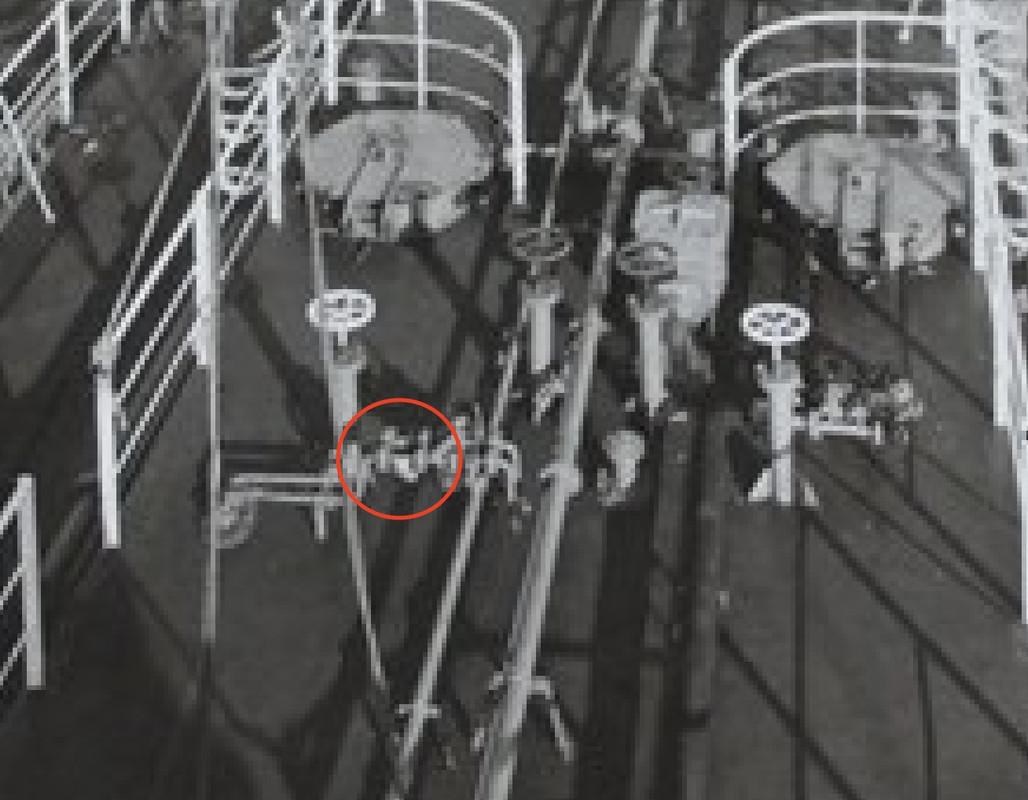
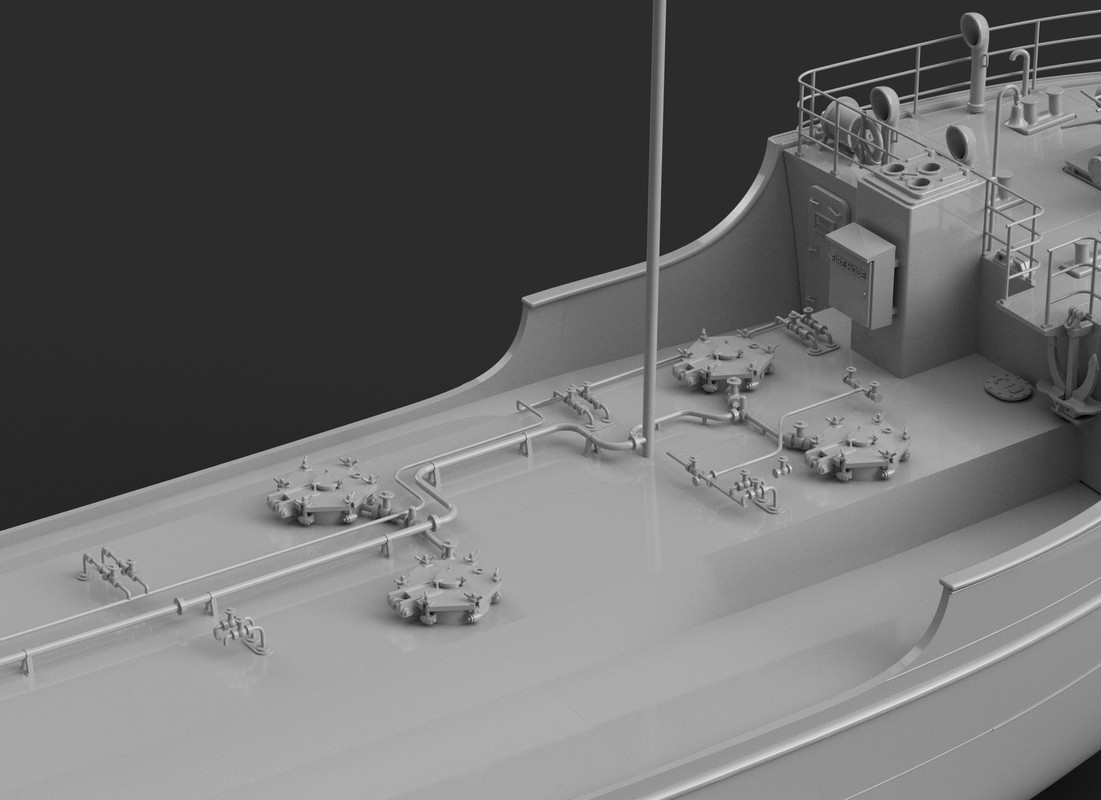
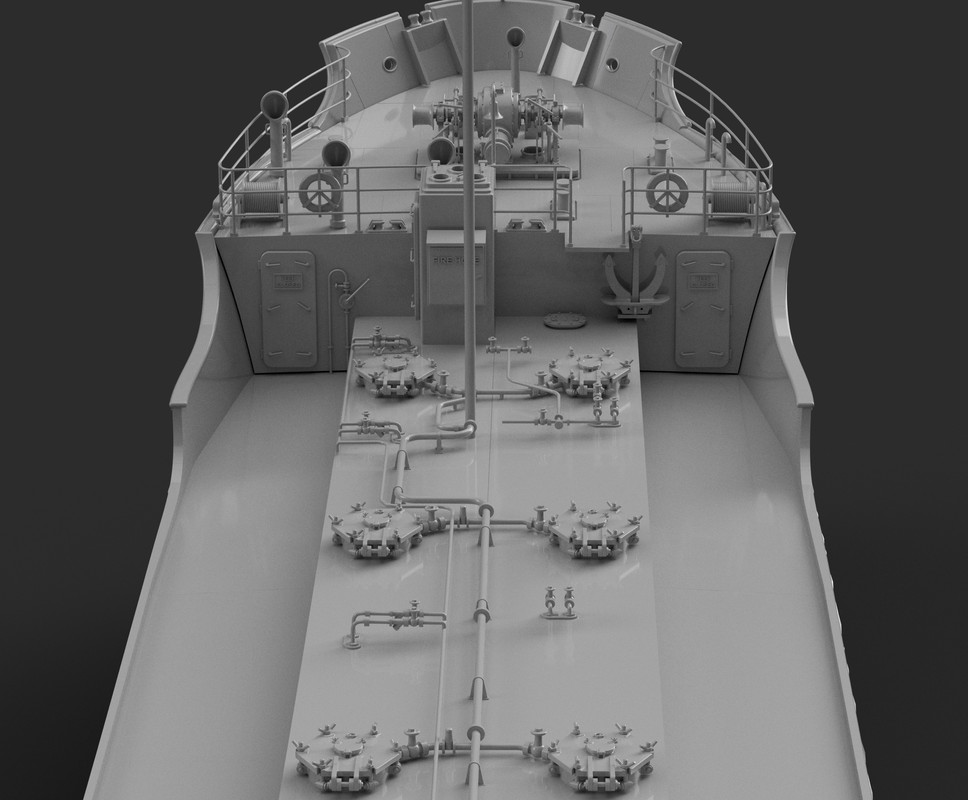
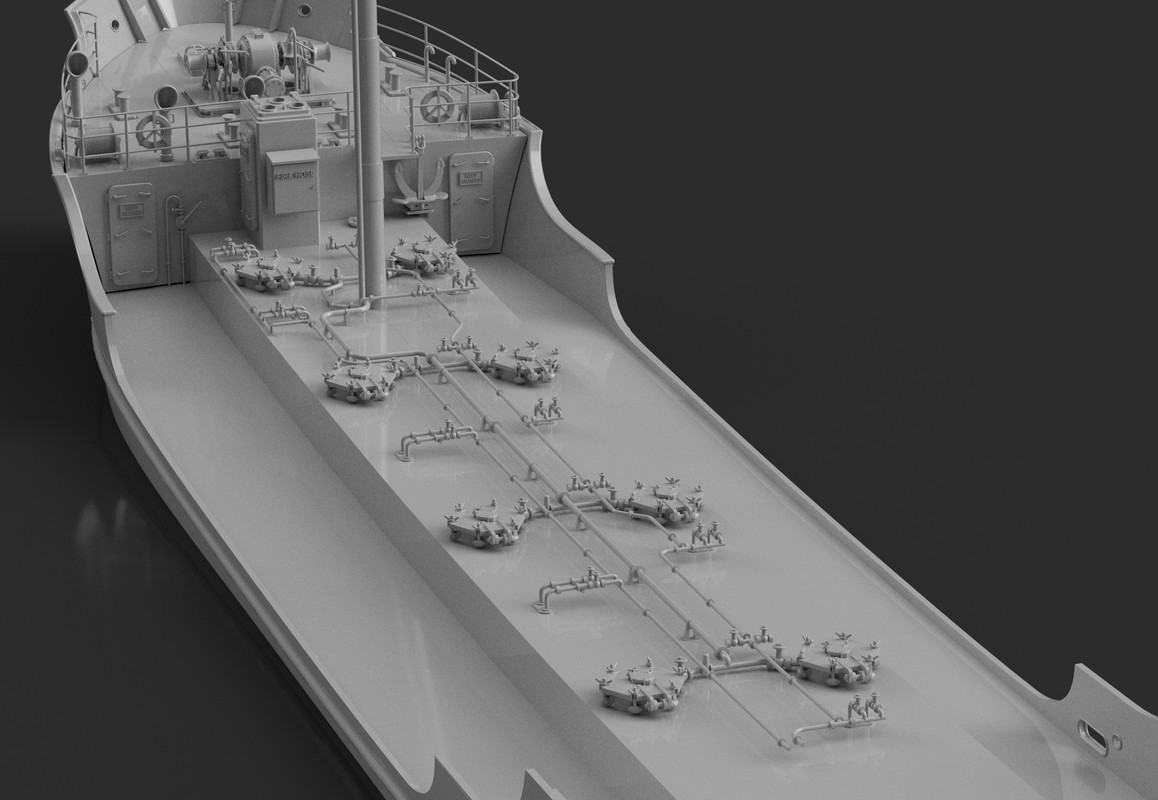
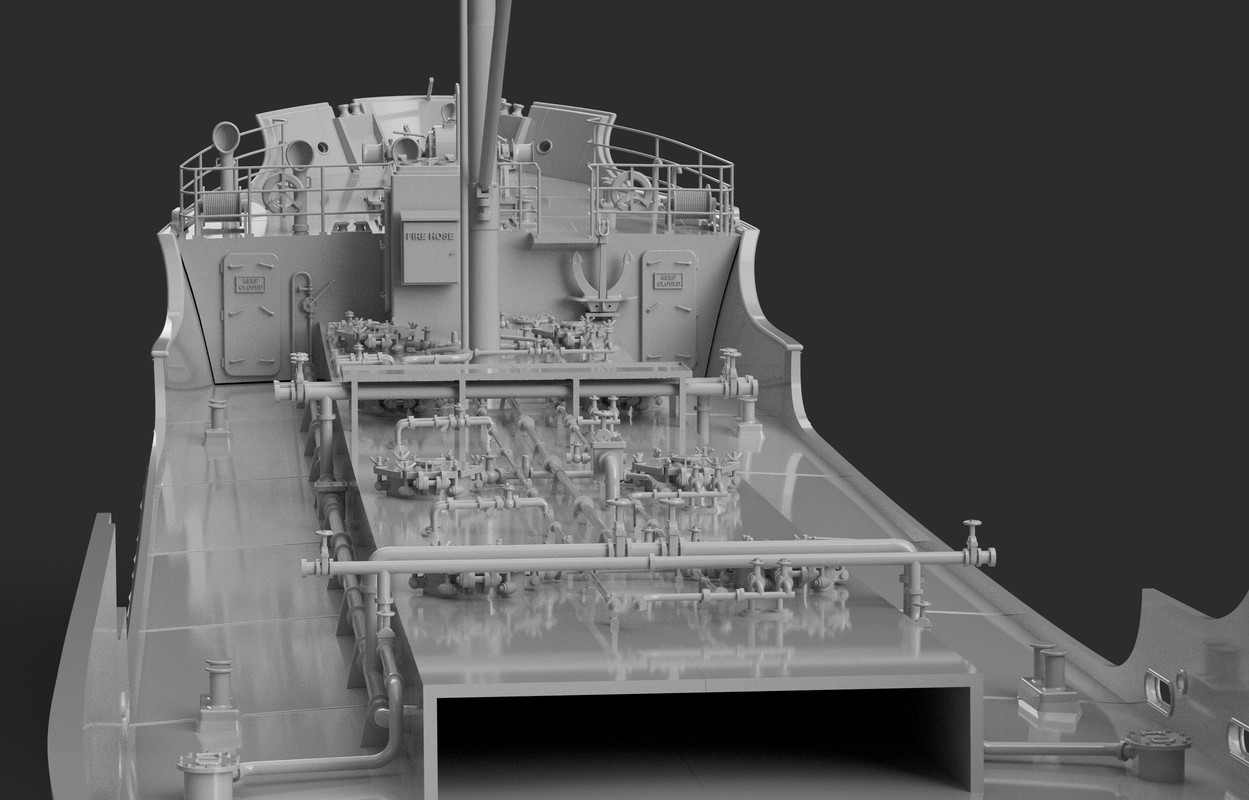
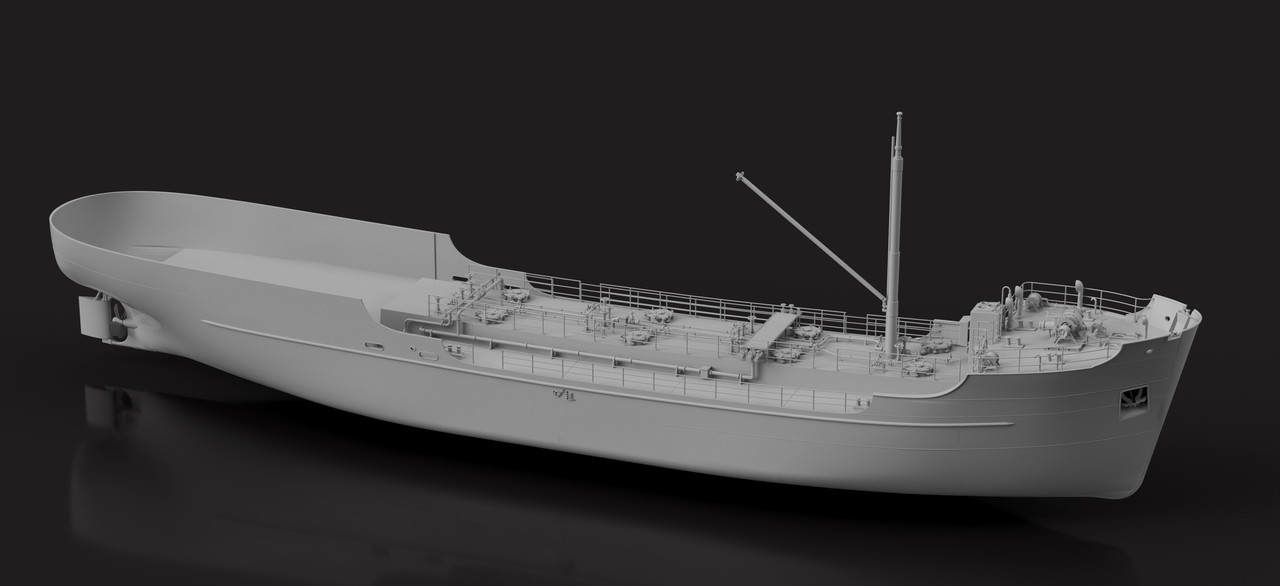
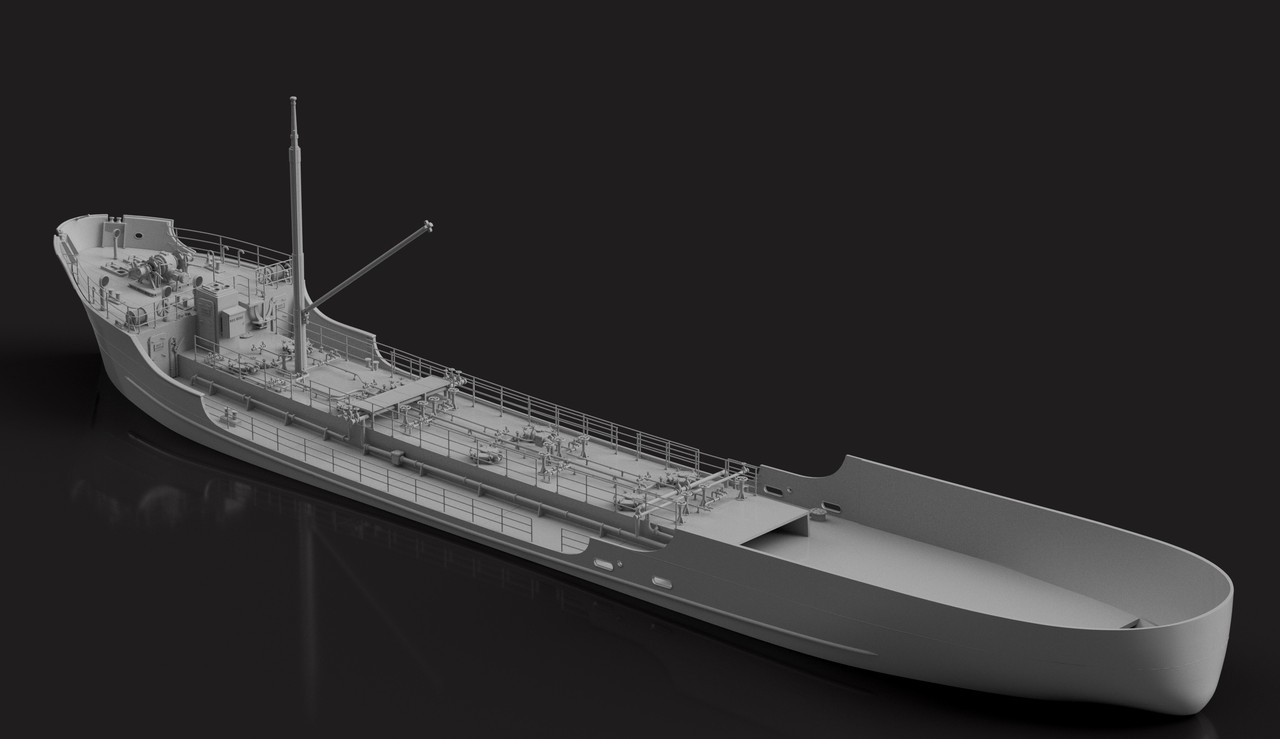
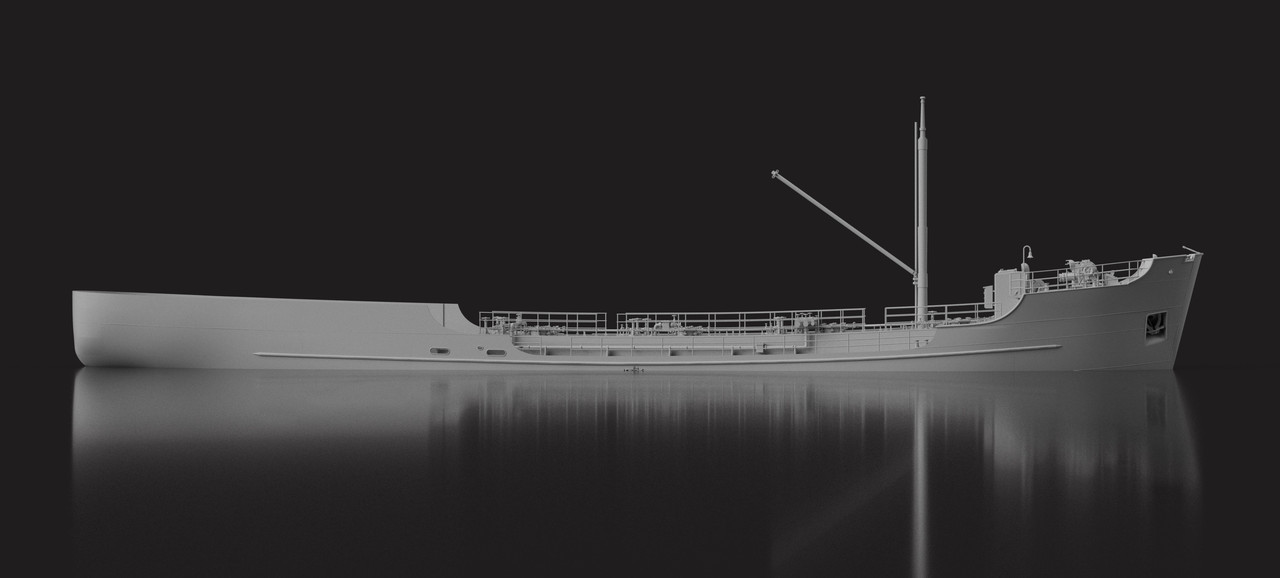
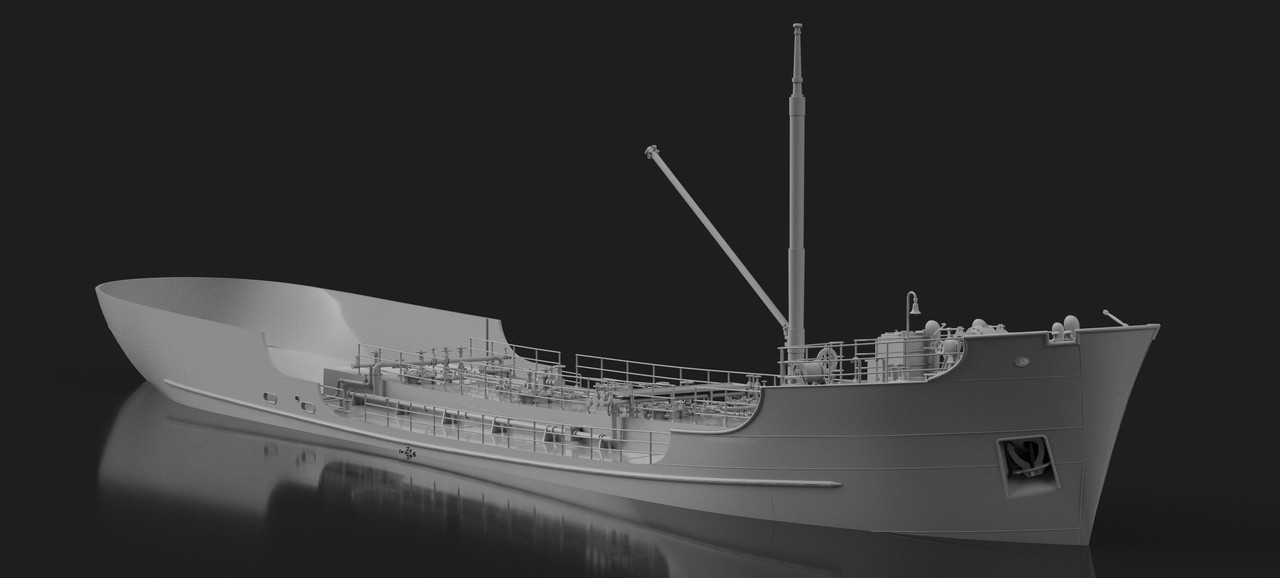
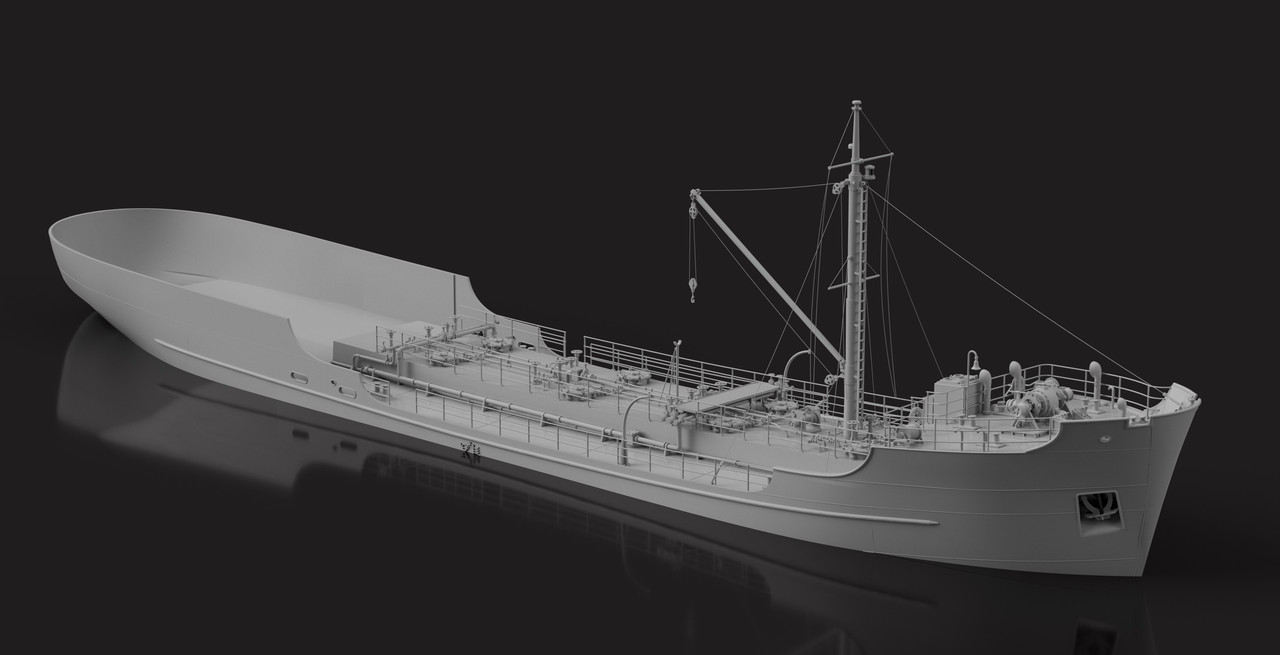
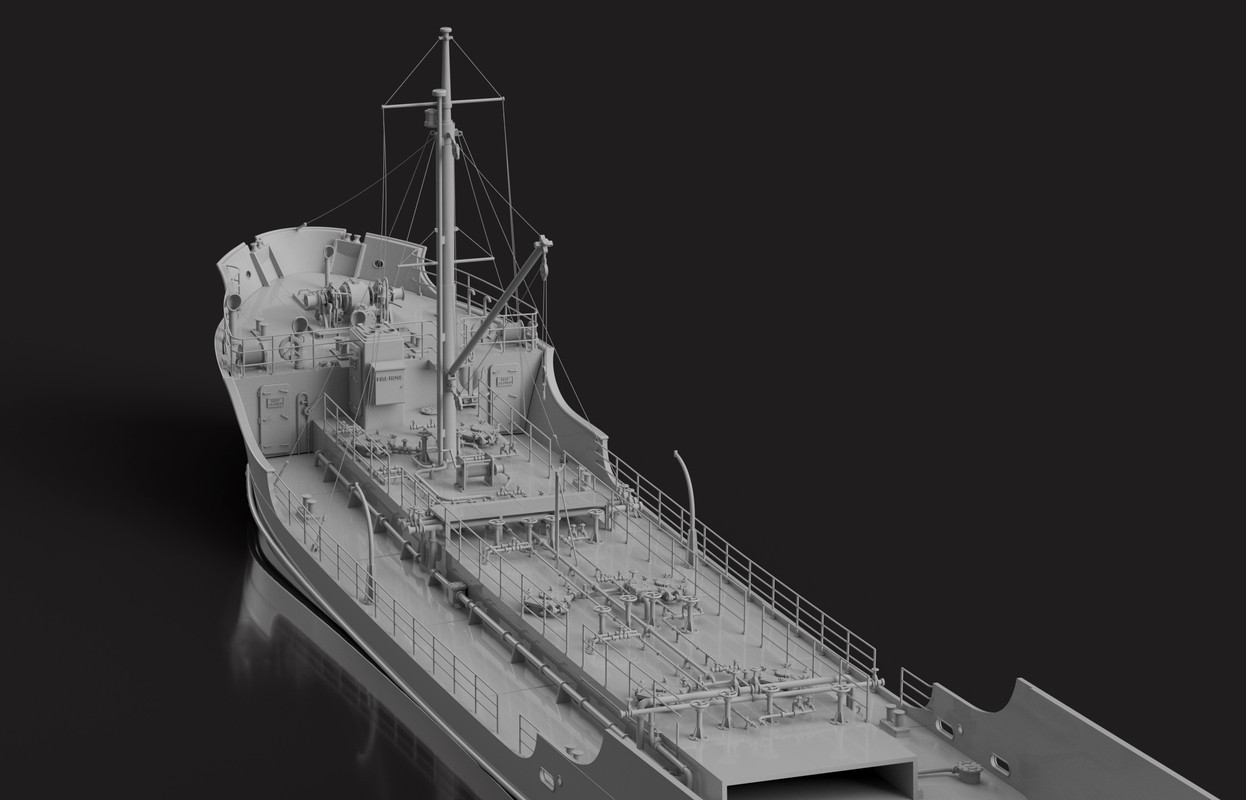
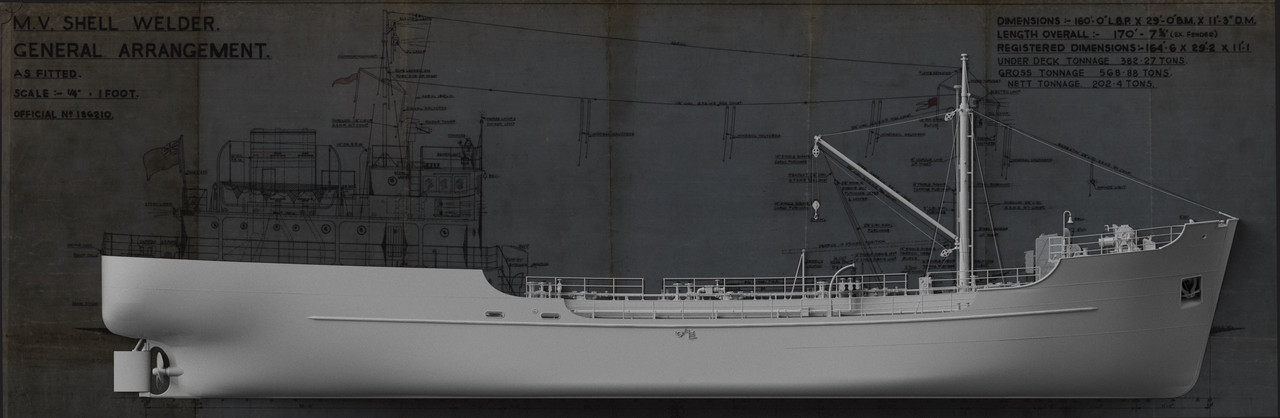
I wasn't talking about the fire hoses, which are generally 45 mm, any bigger is 70 mm, but about the size of the steel hose that runs from bow to stern, which is only 2 and a half inches.
Washdeck line = Main fire line, it's the same
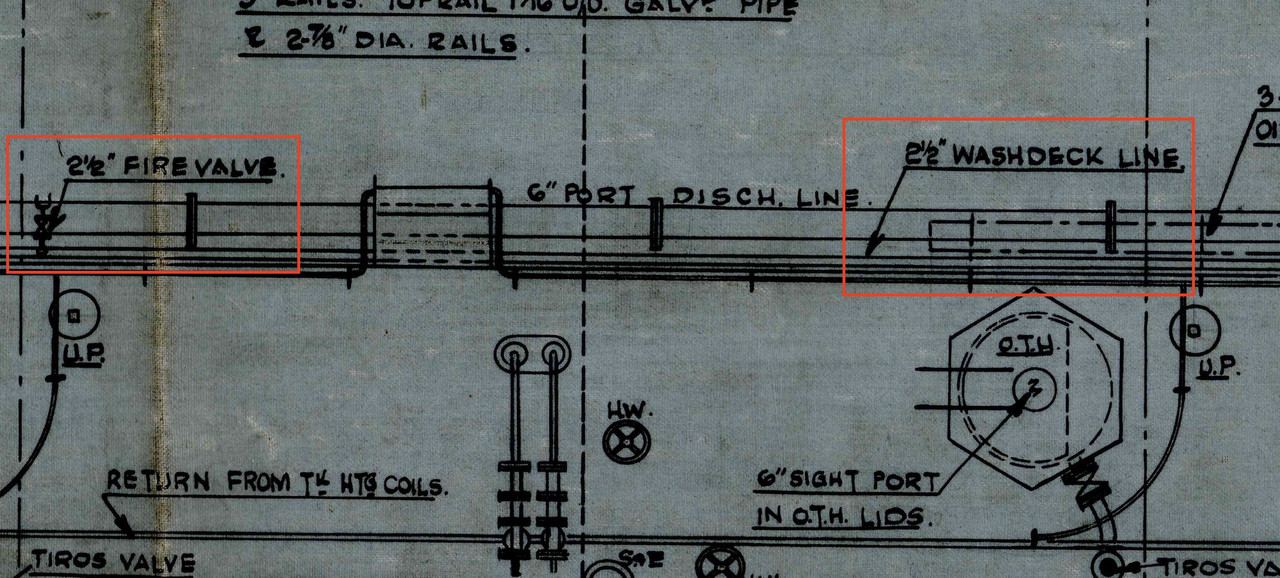
Nowadays, on merchant ships, the fire manifold that runs from bow to stern is much bigger, around 4 to 5 inches depending on the length of the ship, precisely to be able to supply several fire hoses at the same time and sometimes foam cannons.
Several hoses require a large flow upstream and a pressure of 10 bar. The larger diameter hoses are indeed difficult to handle, but sometimes necessary, you need 3 sailors.
I did several fire training courses during my career, in the French Navy and the french Merchant Navy (compulsory, every 5 years), one week each time, sometimes in difficult conditions at the time.
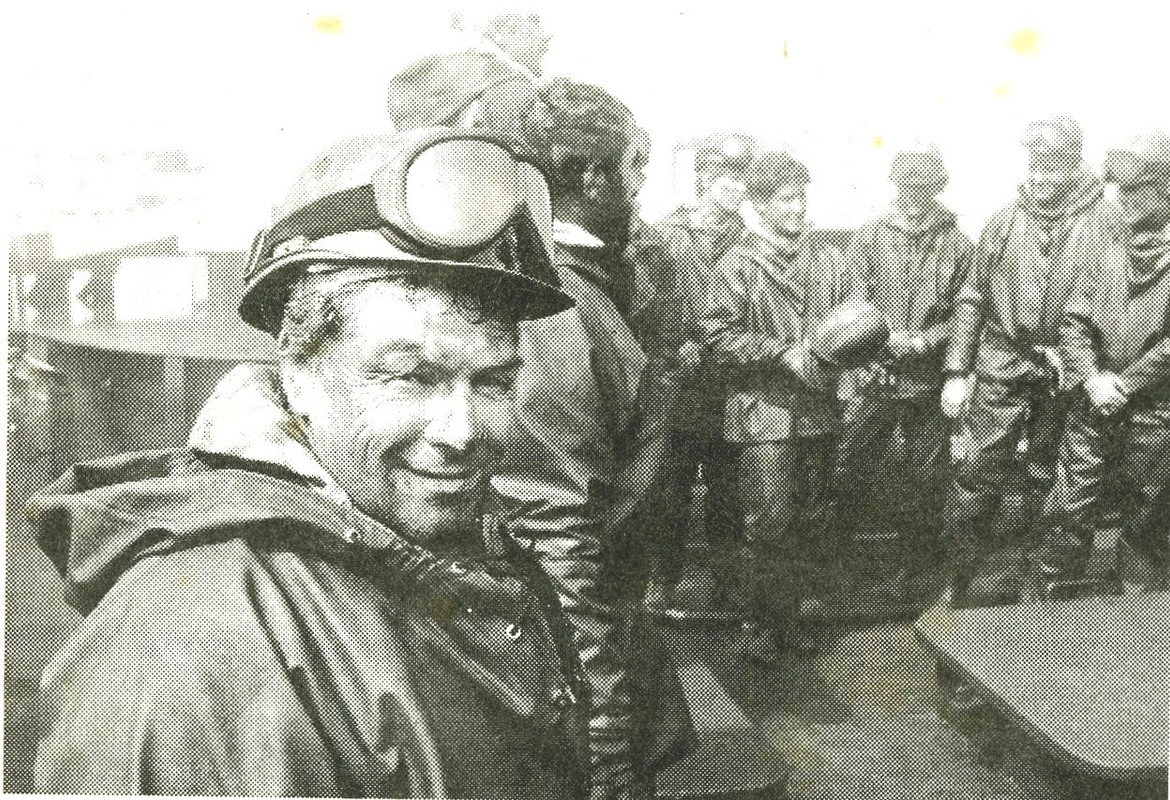
My first fire training course for the merchant navy was in 1984, this site was opened in the port of Concarneau in Bretagne, France in 1983. It was run by the famous marine firefighters from Marseille.
I'm in the photo. It was exceptionally -15�C that week, in February, and there were ice cores in the lances.
We were also able to test the Helly Hansen waterproof survival suits in the harbour at this temperature.
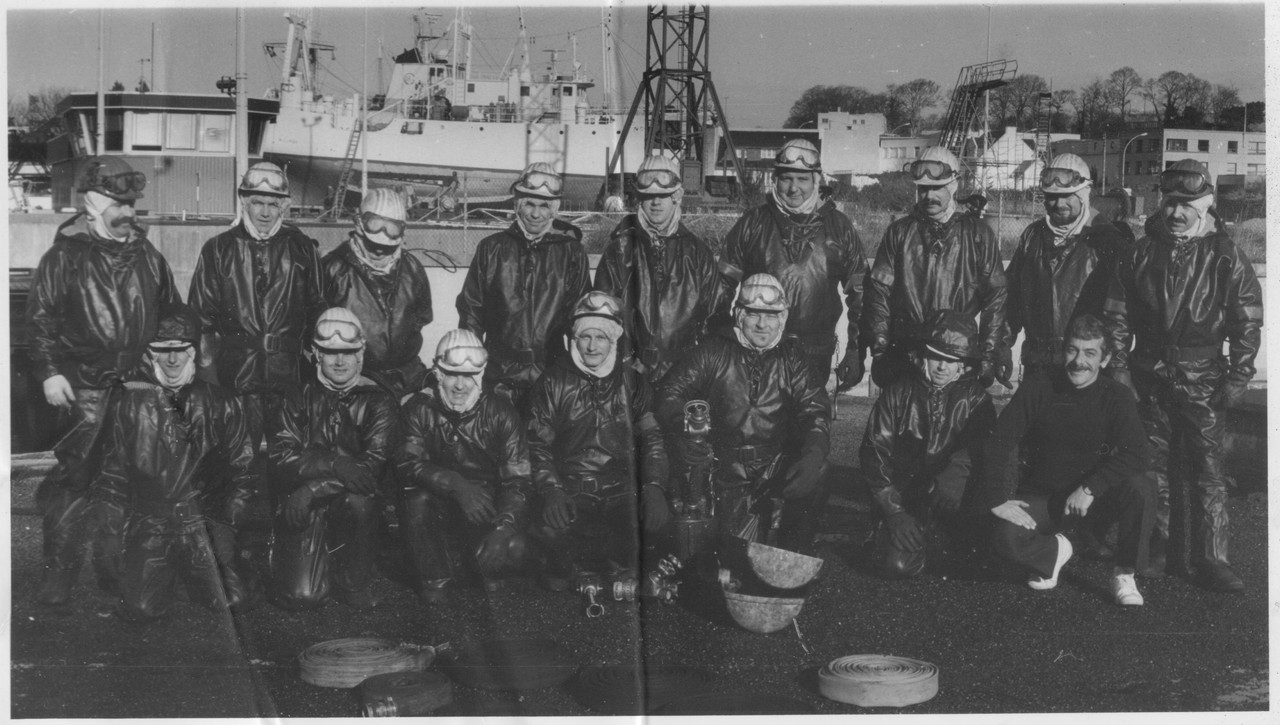
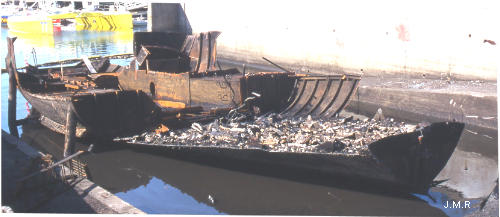
An old trawler of 28 meters was used for in situ fire drill in real conditions, in feb 1983, on the harbour floor, but surrounded by water,. It was a very good and very tough learning experience, in cramped premises on fire.
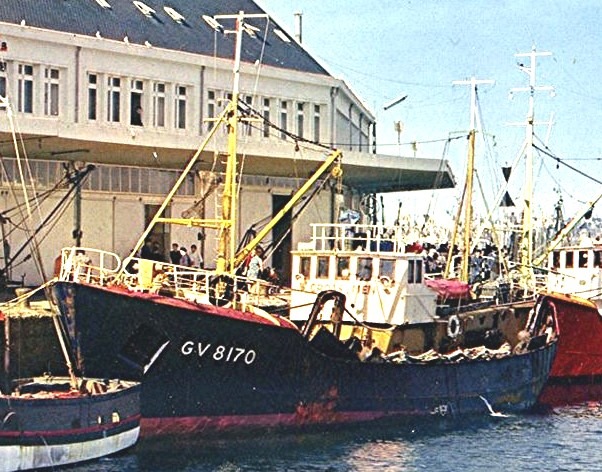

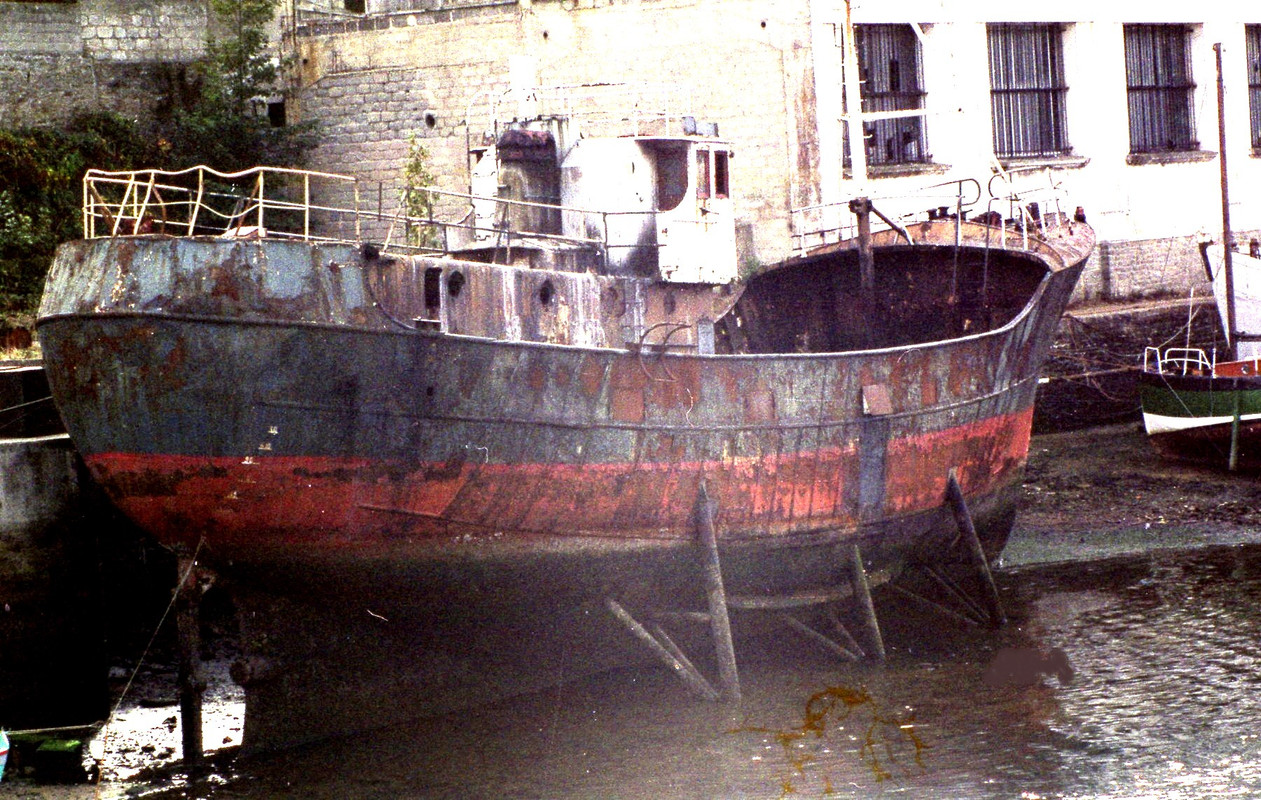
�An Ifern� means �The hell� in Breton language in France.

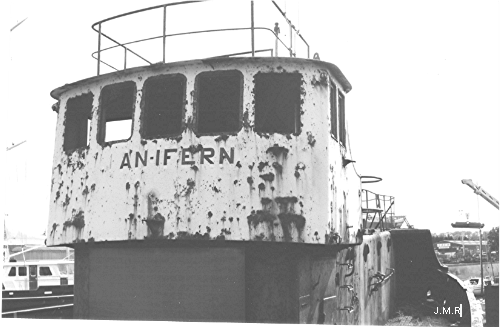
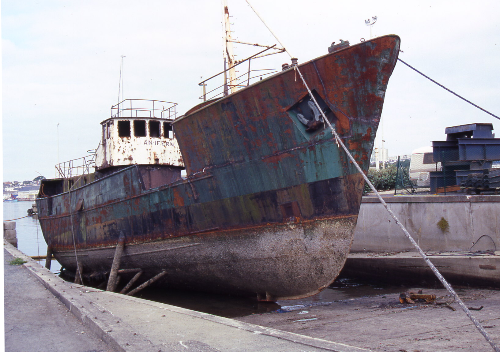
In 2000, she was scraped :
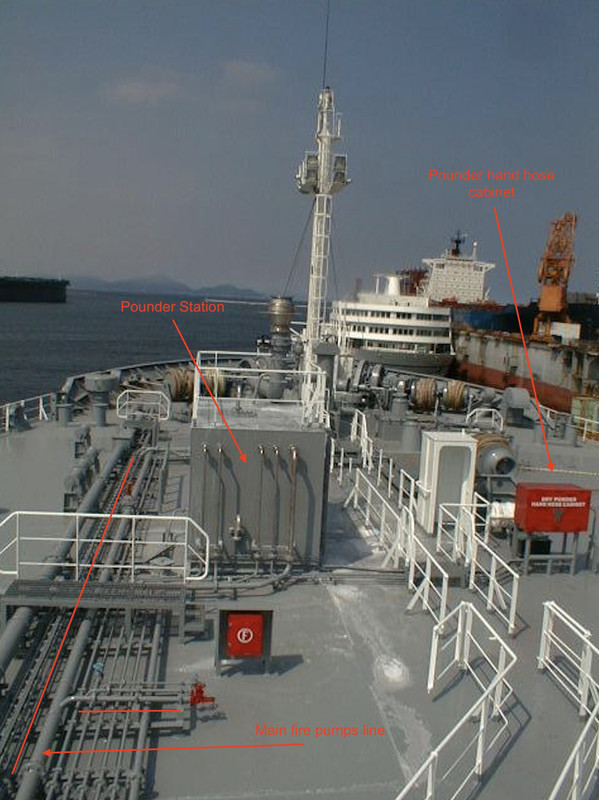
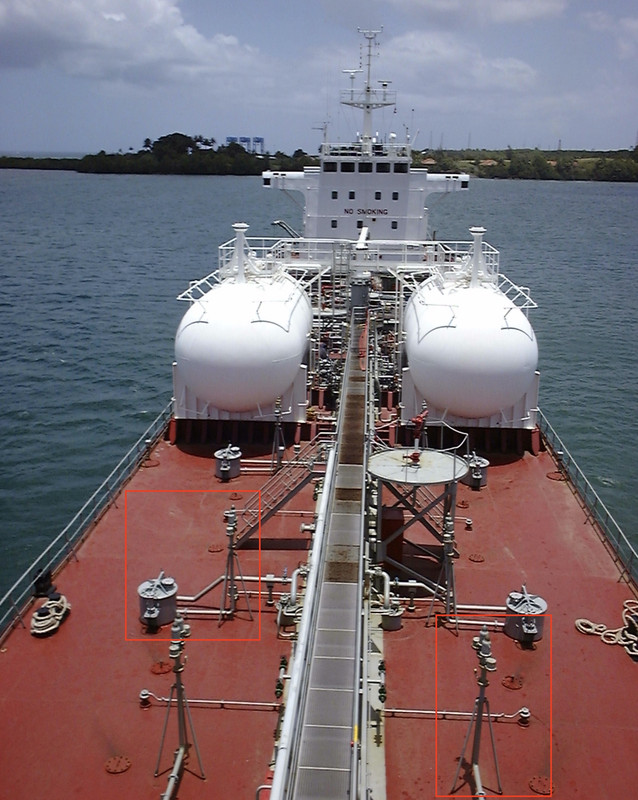
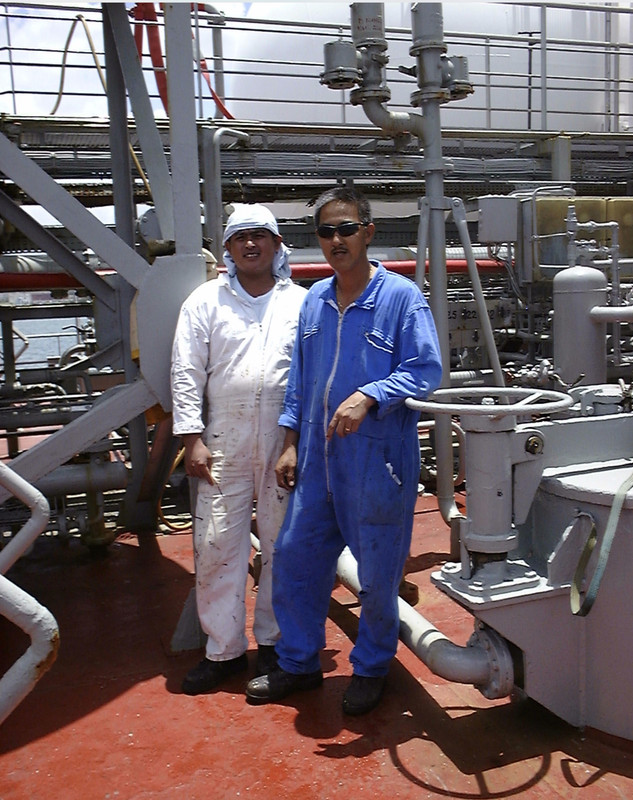
Here's a modern installation of 90's on a full-pressure gas ( 400 cubic meters) and oil tanker on which I sailed for 12 years, from new to sale.
You can see the platforms with the physical foam lances.
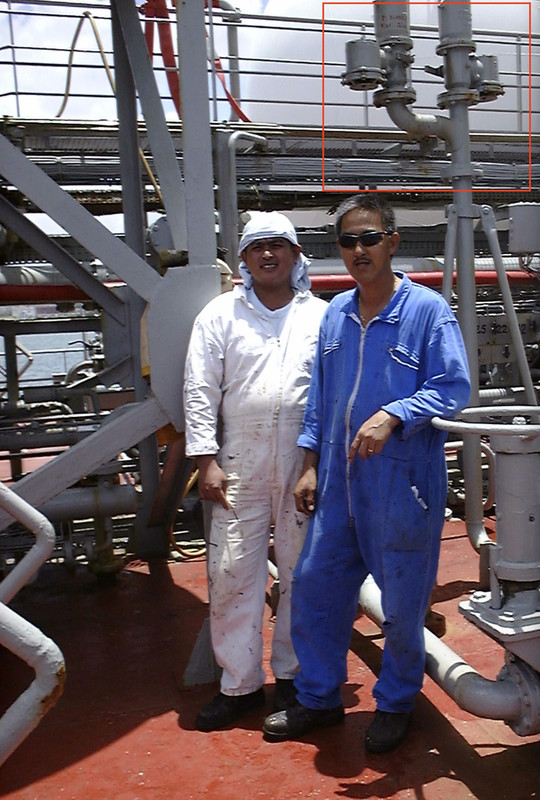
The circuit is usually painted red, to give a clear view of the circuit and its isolation valves.
Fire drills are carried out every week.
The red main fire hose can be seen behind the bosun and mate.
Above, you can see a 45 mm hose deployed, we're in a commercial loading or unloading operation, the hoses on the deck are unrolled and ready to be used.
This is one of the procedures that can make all the difference in the event of a fire: the quicker we intervene, the better our chances of extinguishing it.
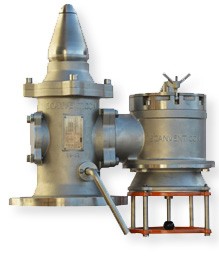
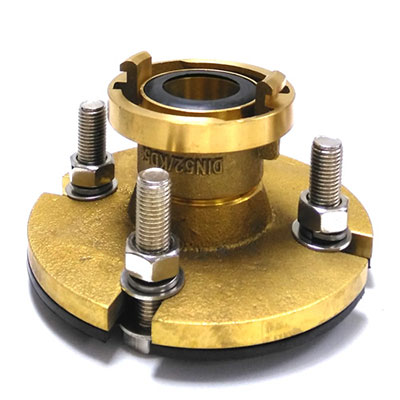
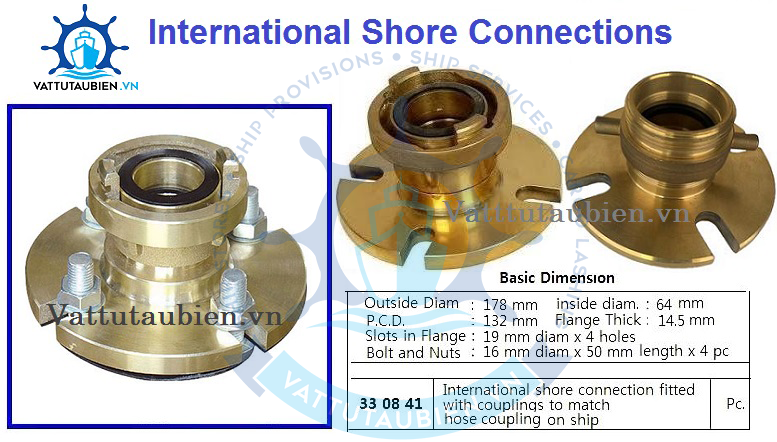
A plan of the fire circuit is available in a special box on the deck for the port fire brigade in the event of the ship being evacuated. A standard international connection flange is also available to connect the on-board fire circuit to that on the quayside in order to supply it in the event of a blackout.

Different quick connections, depending on the country:

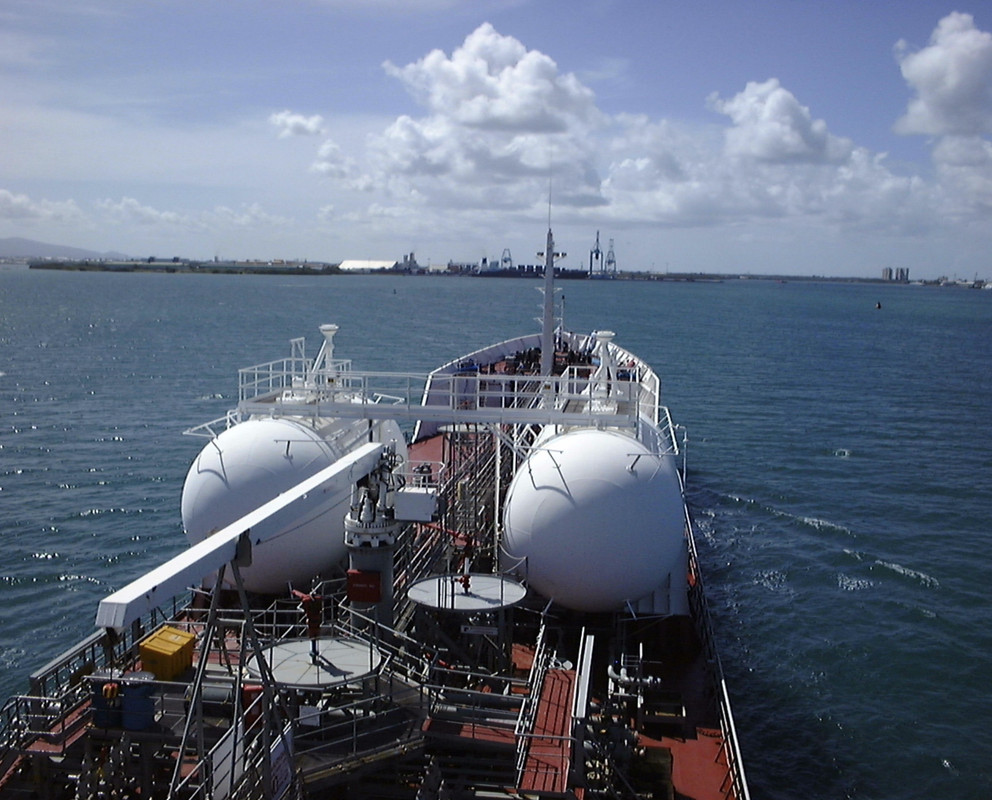

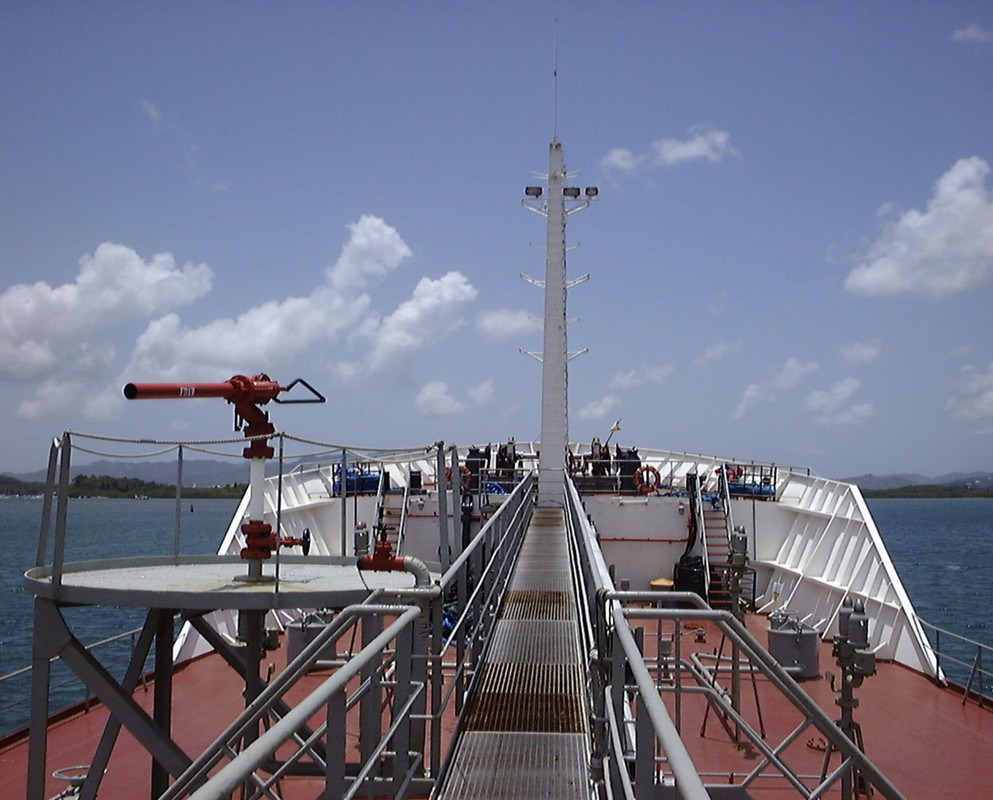
On a bigger ship, here a LPG gas carrier of 85 000 cubic meter, 225 meters long:
Personal picture: