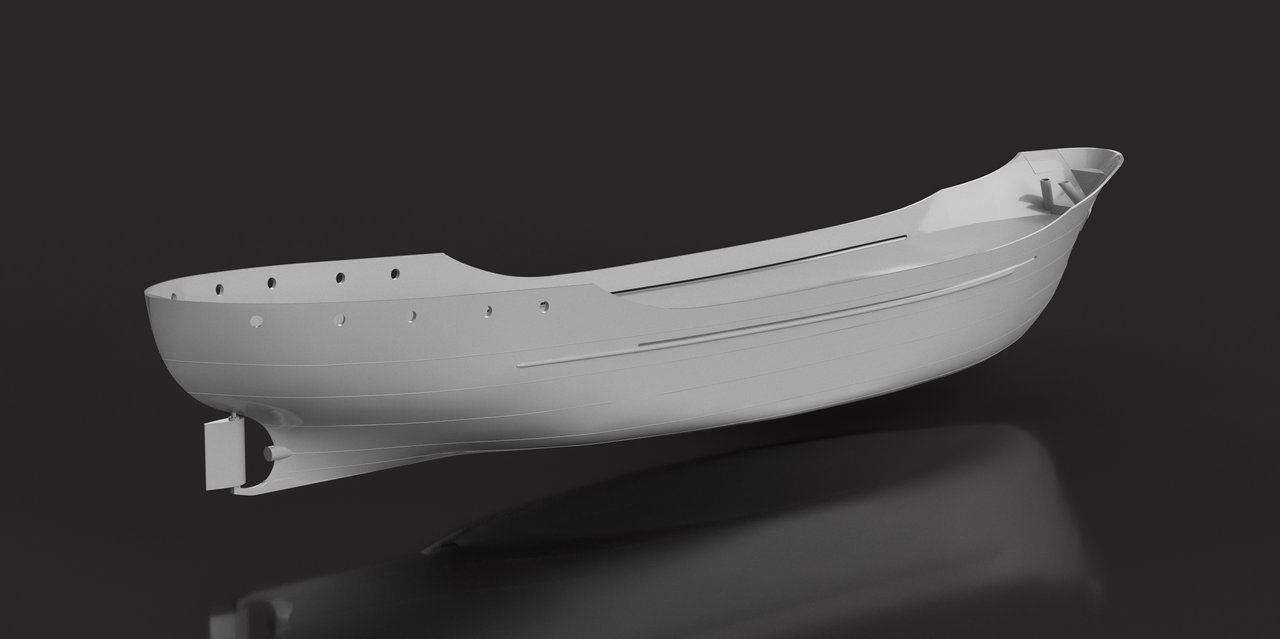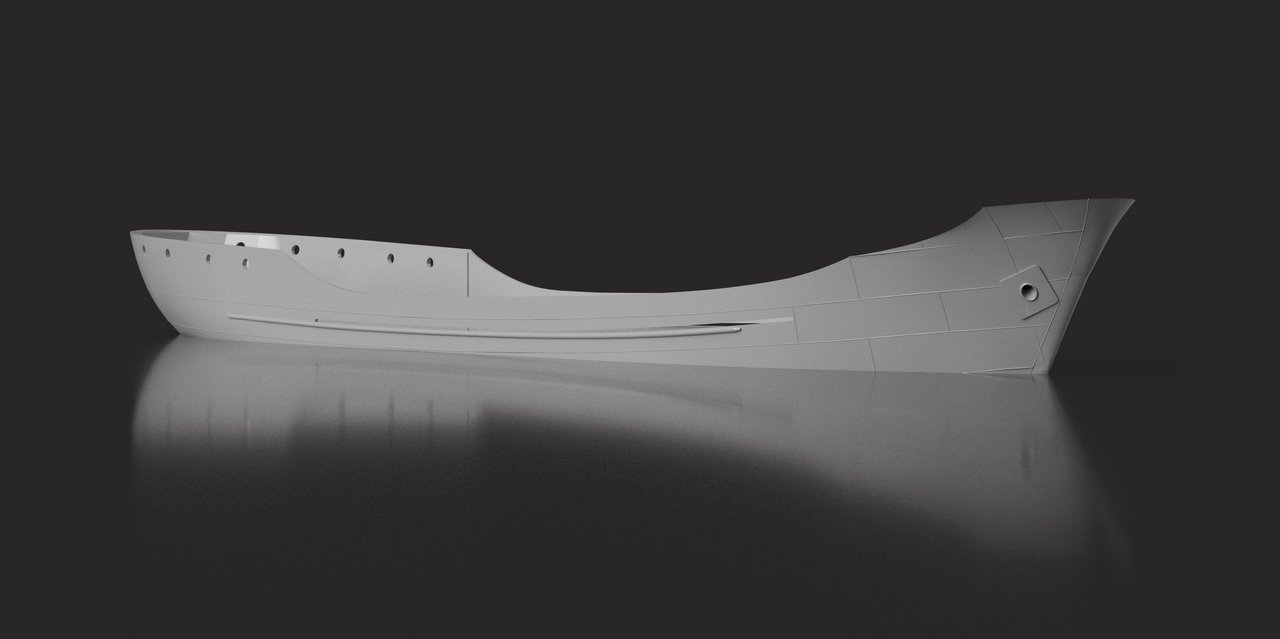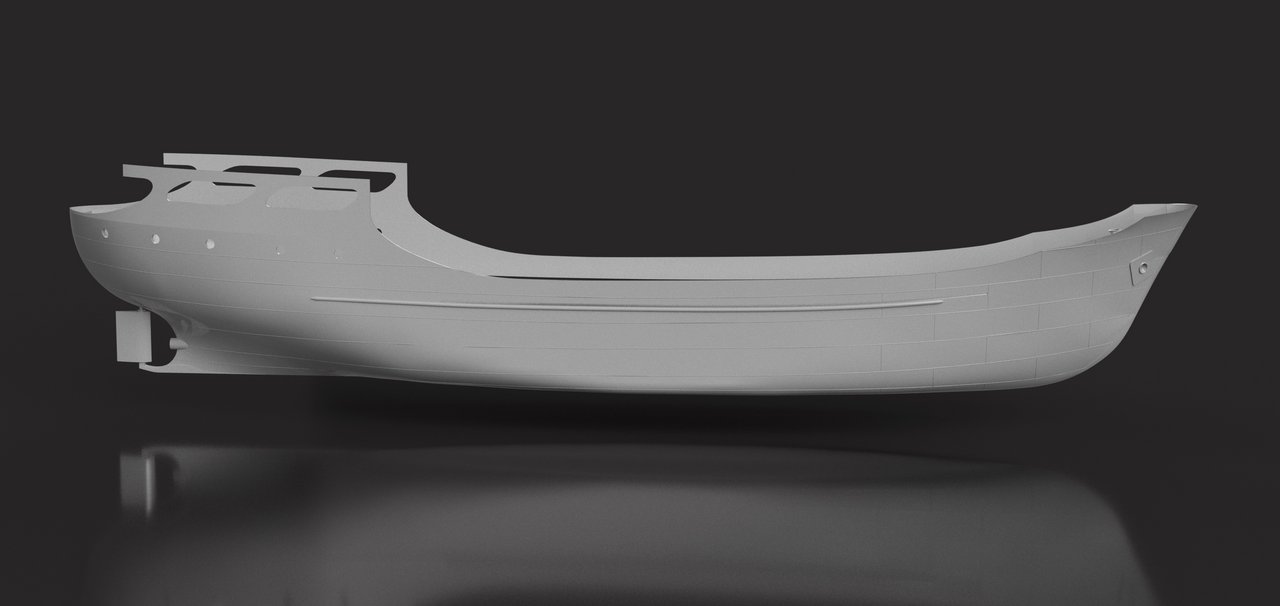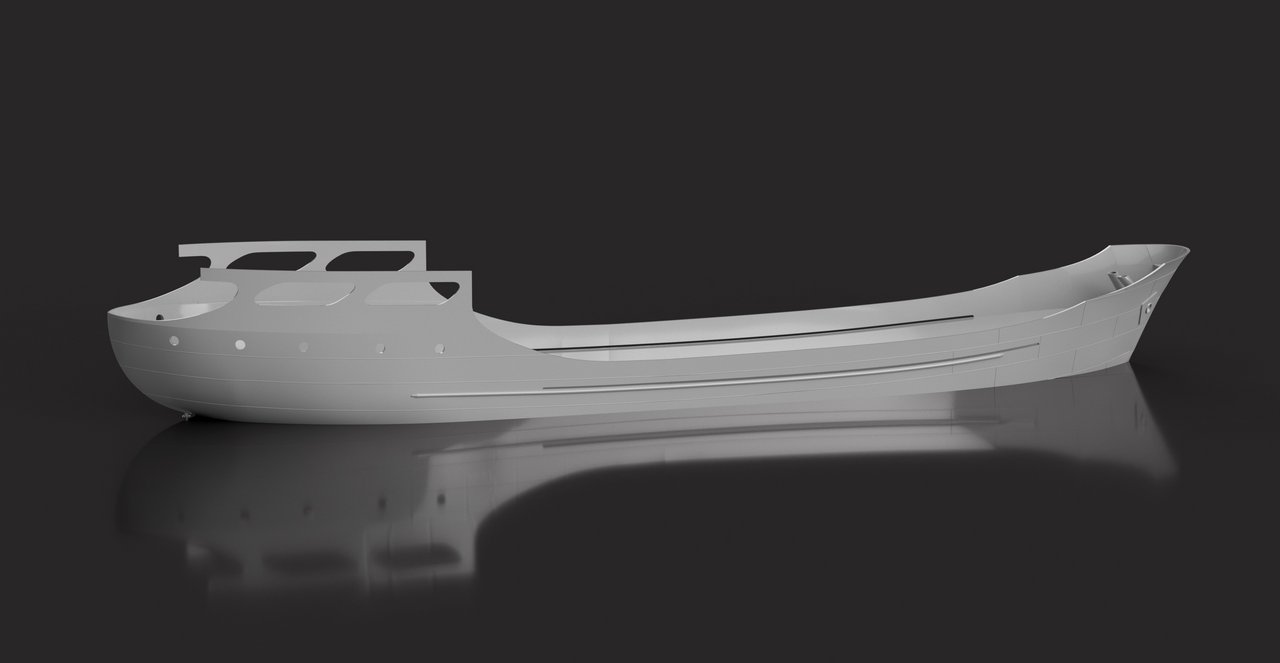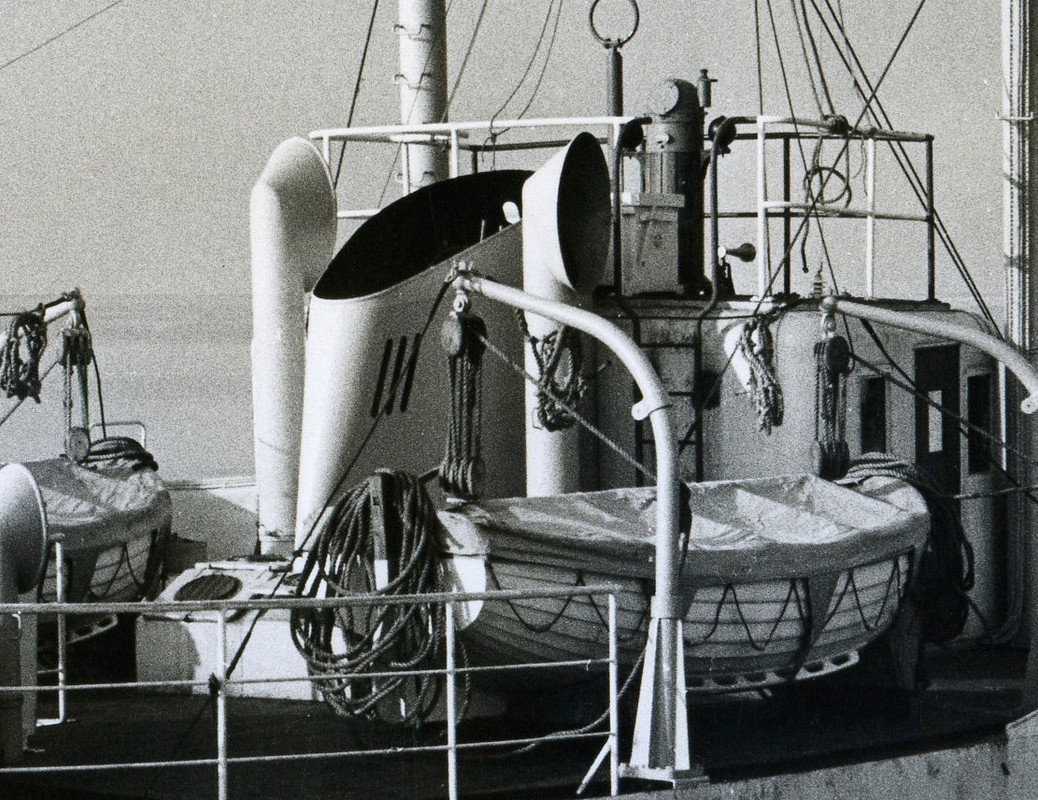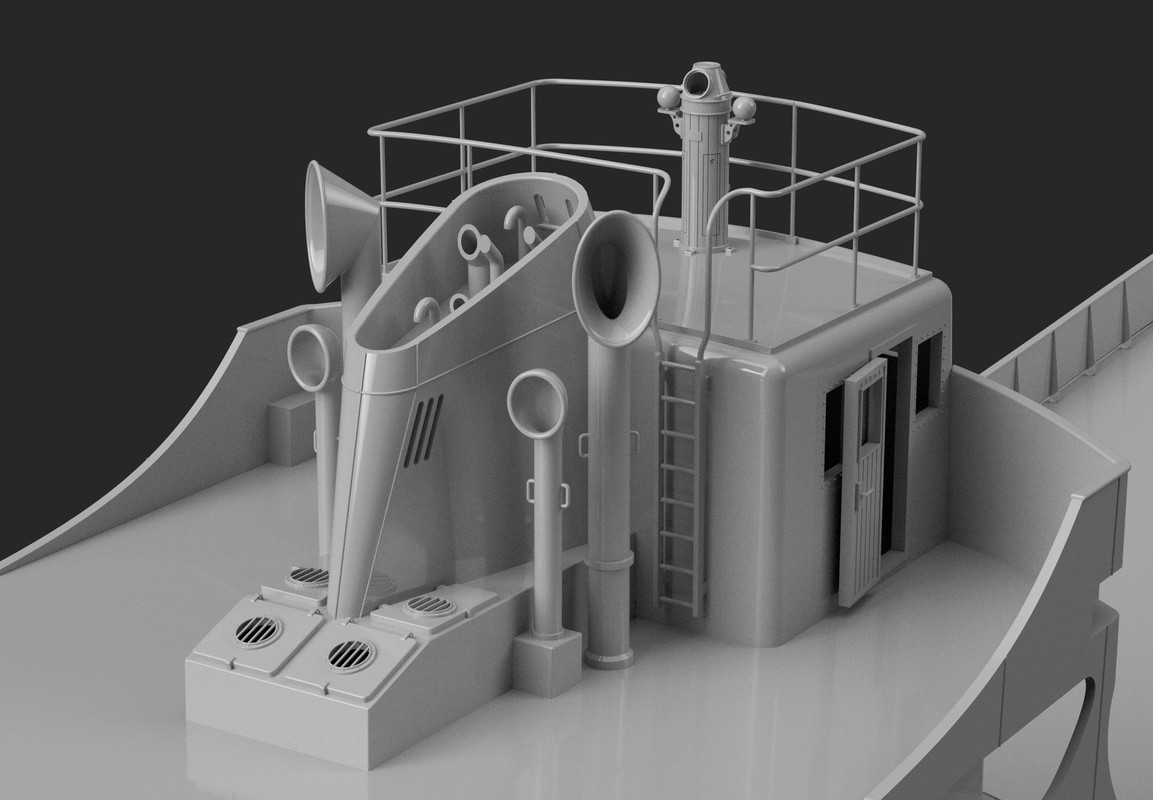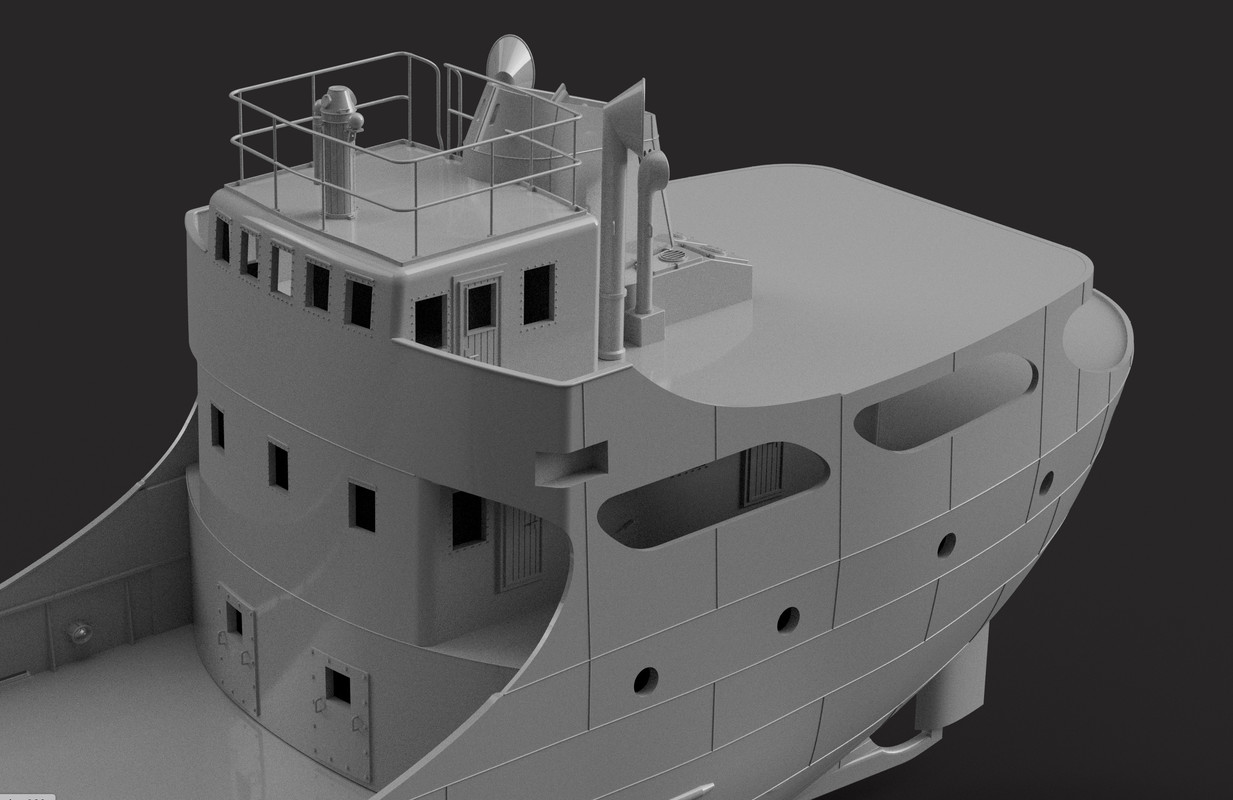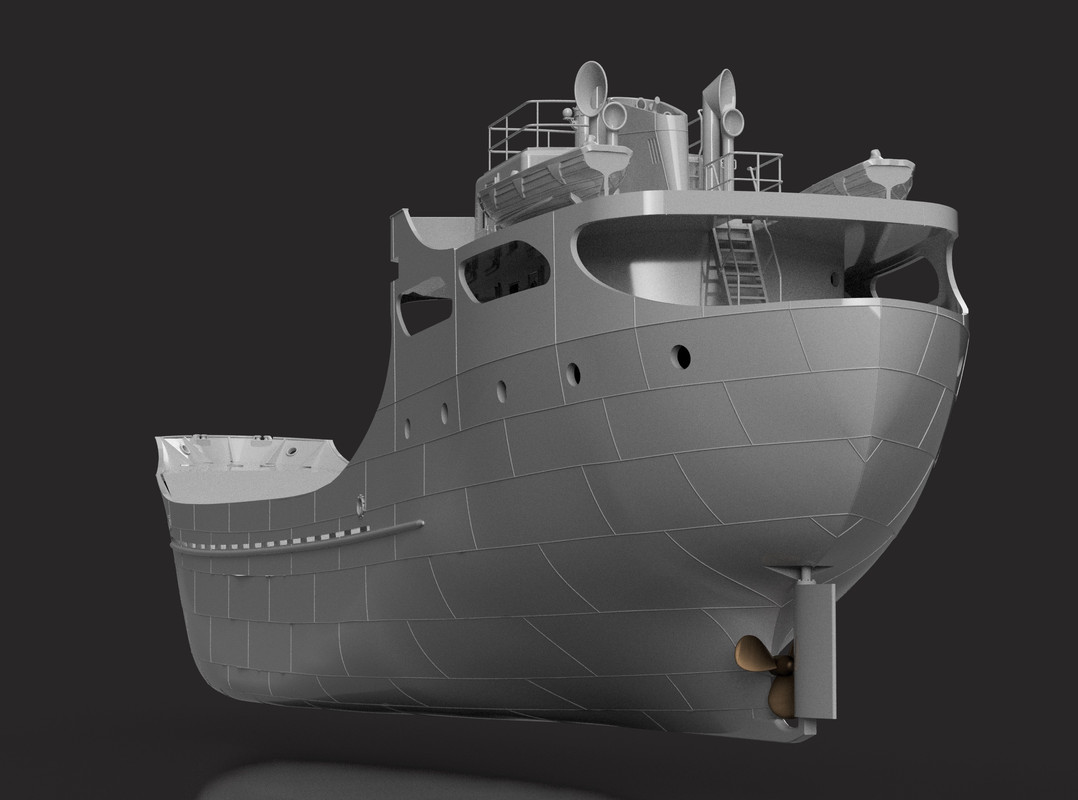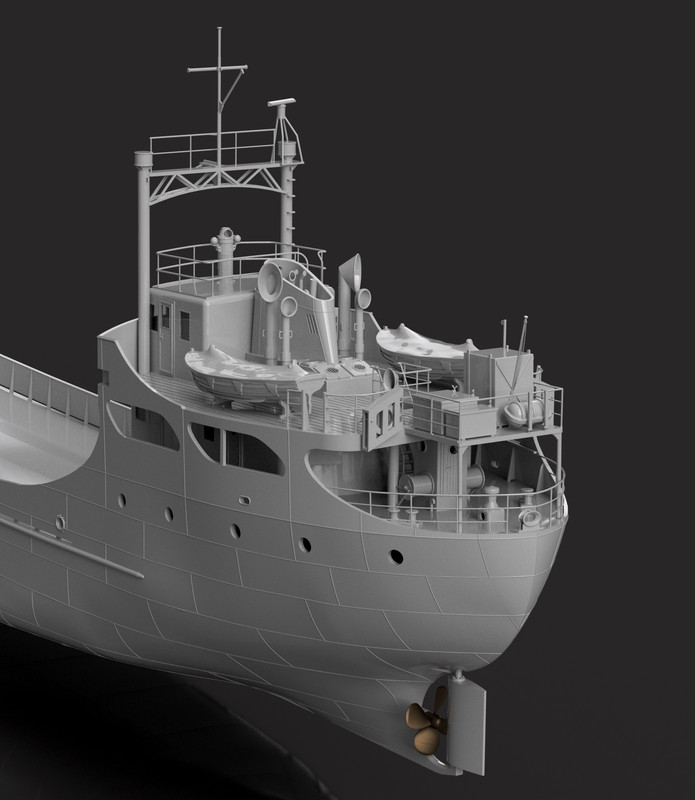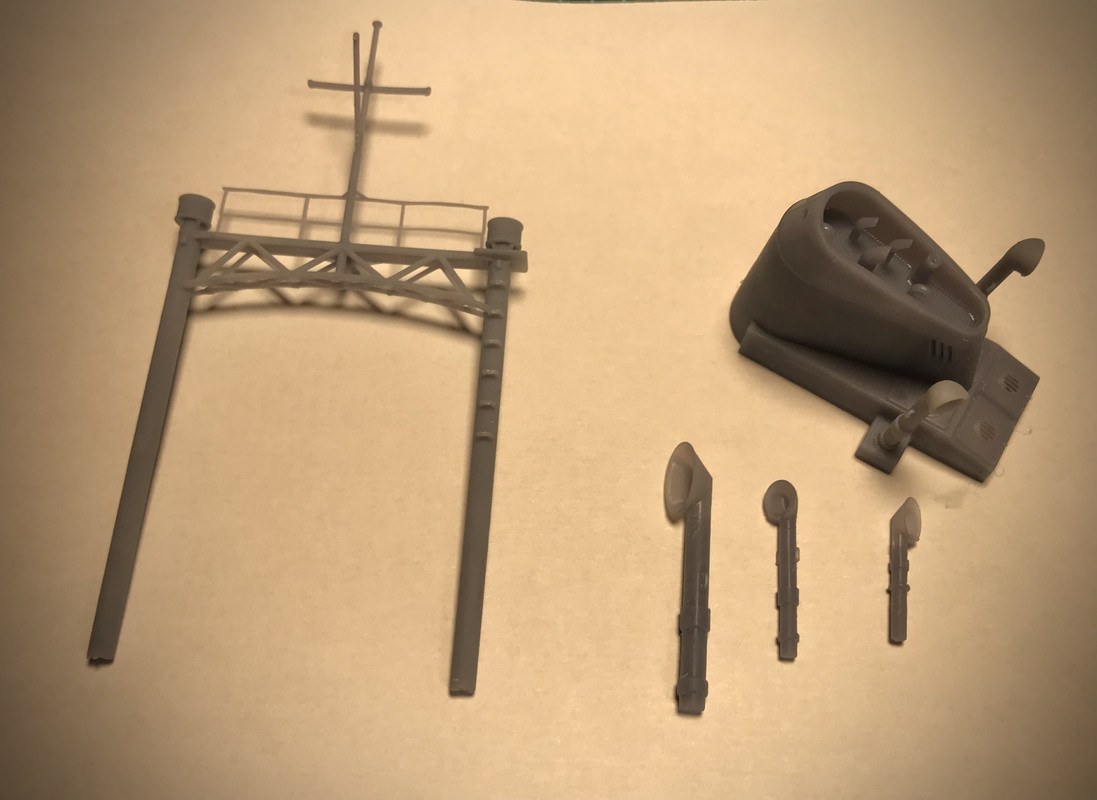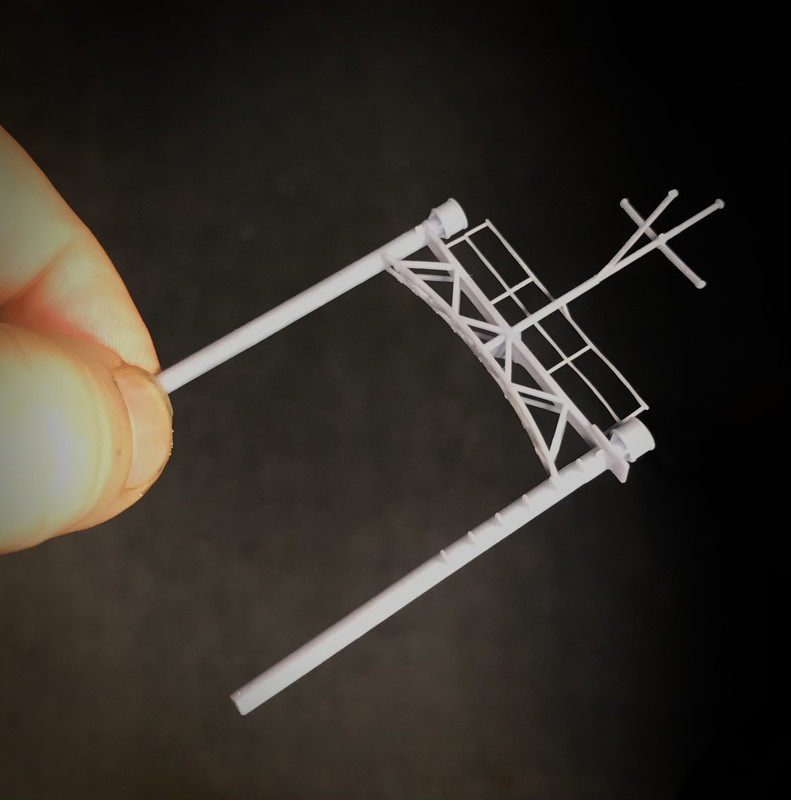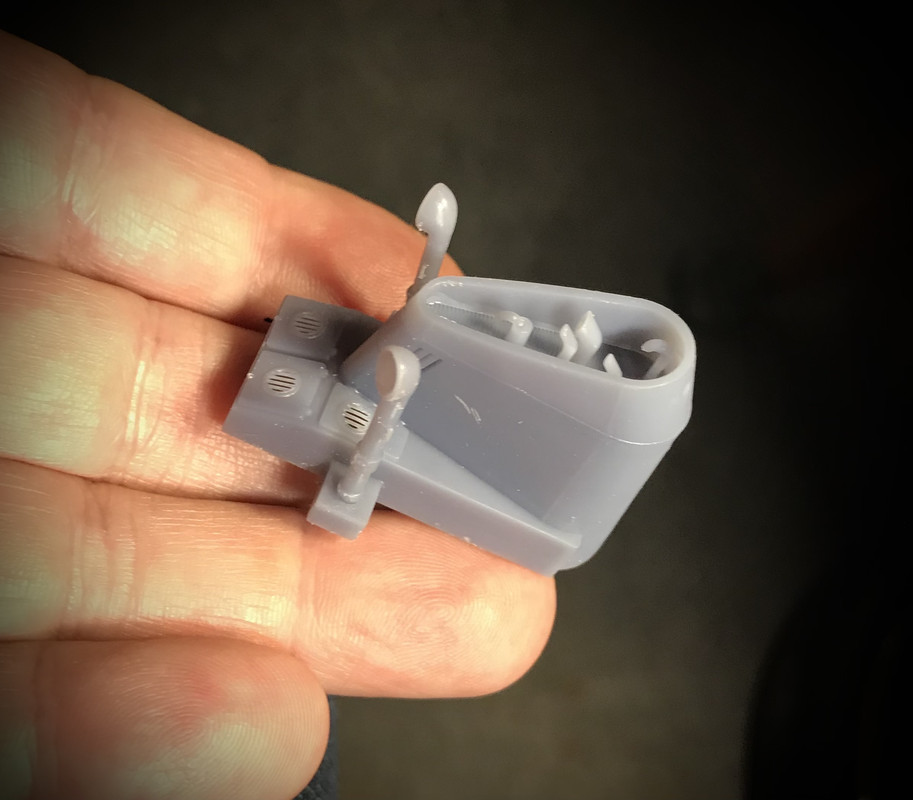
?
Australia. A mysteriously missing shipwreck found fifty years later.

�
23 Jun 2023:
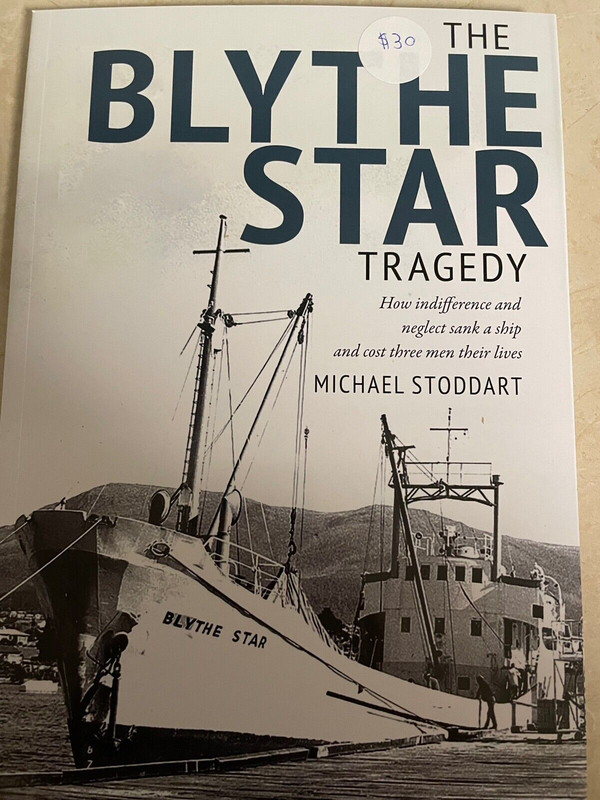
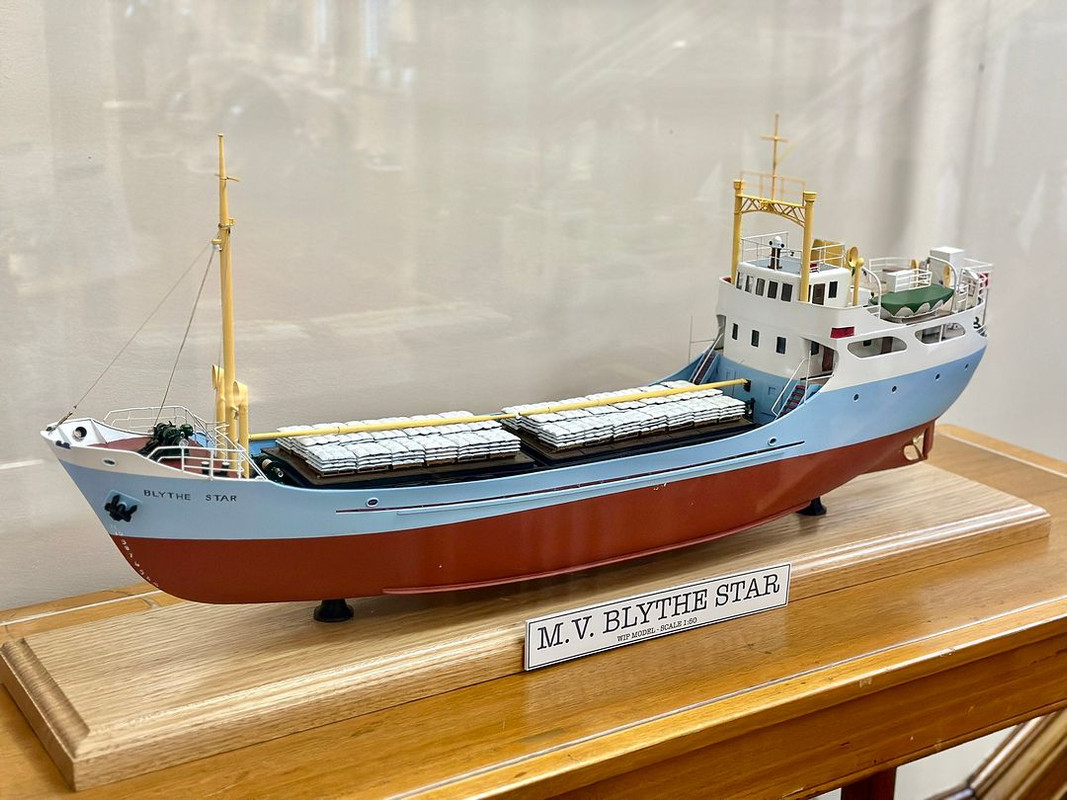
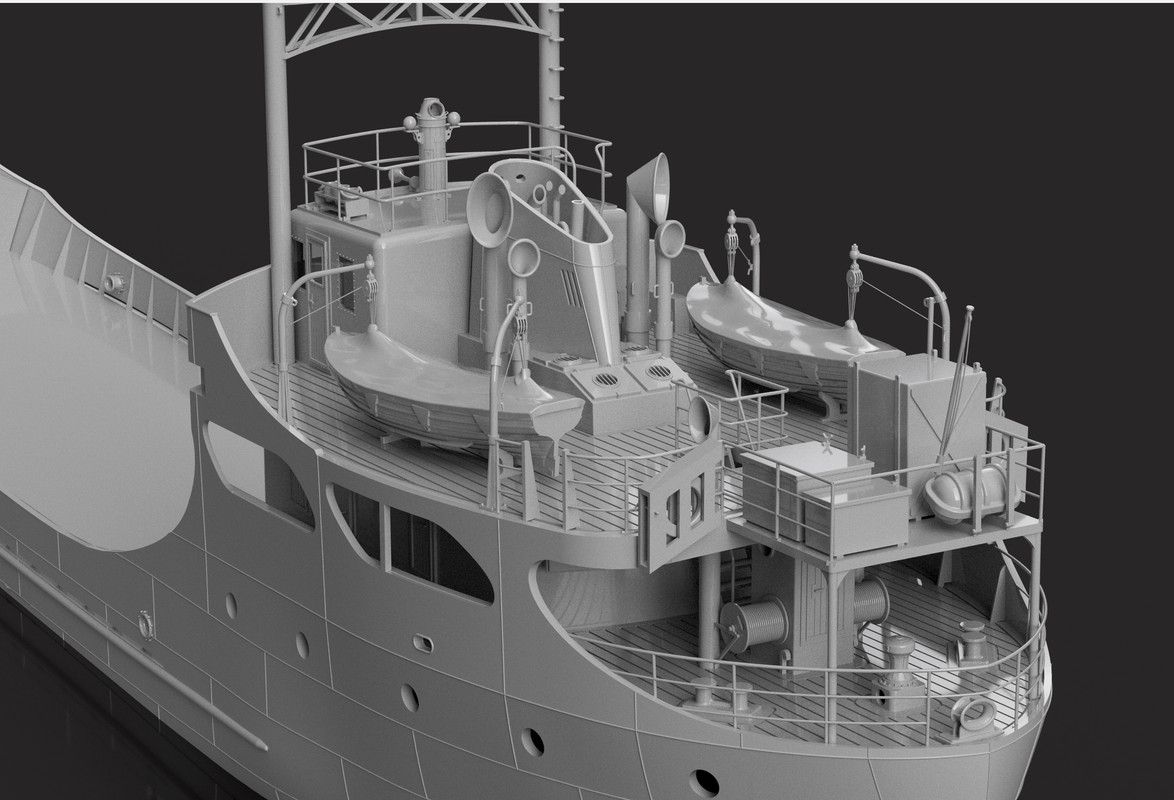
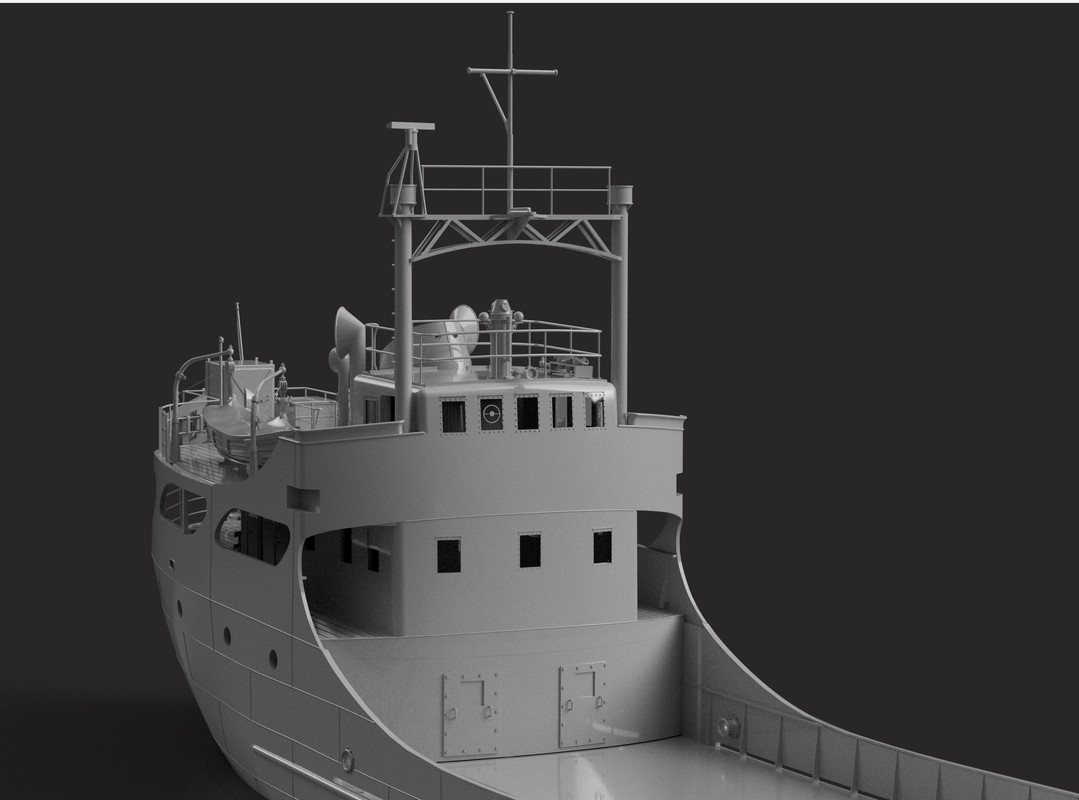
In 1973, the Blythe Star, a 44 m coaster with a crew of ten, sank off Tasmania (Australia).�
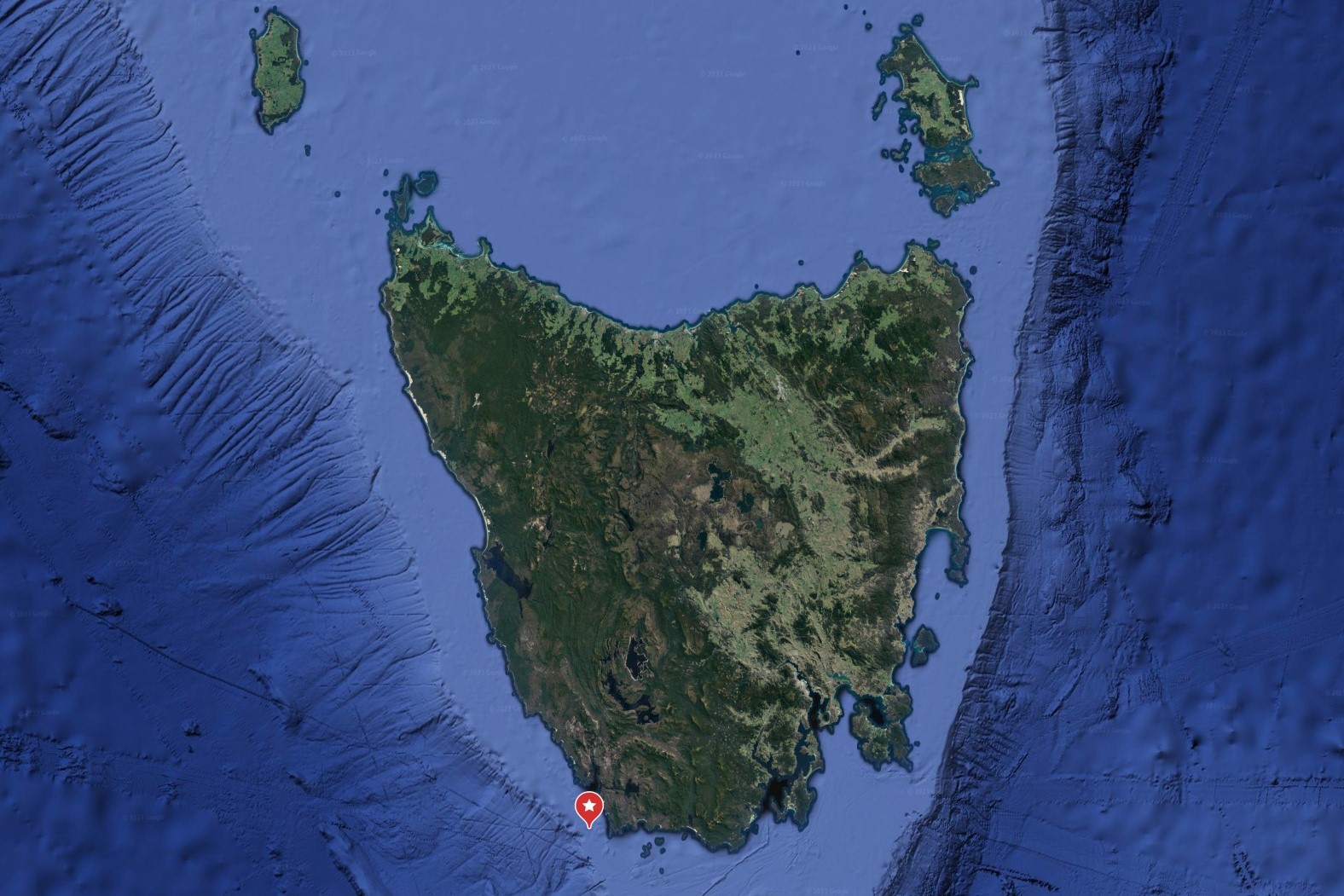
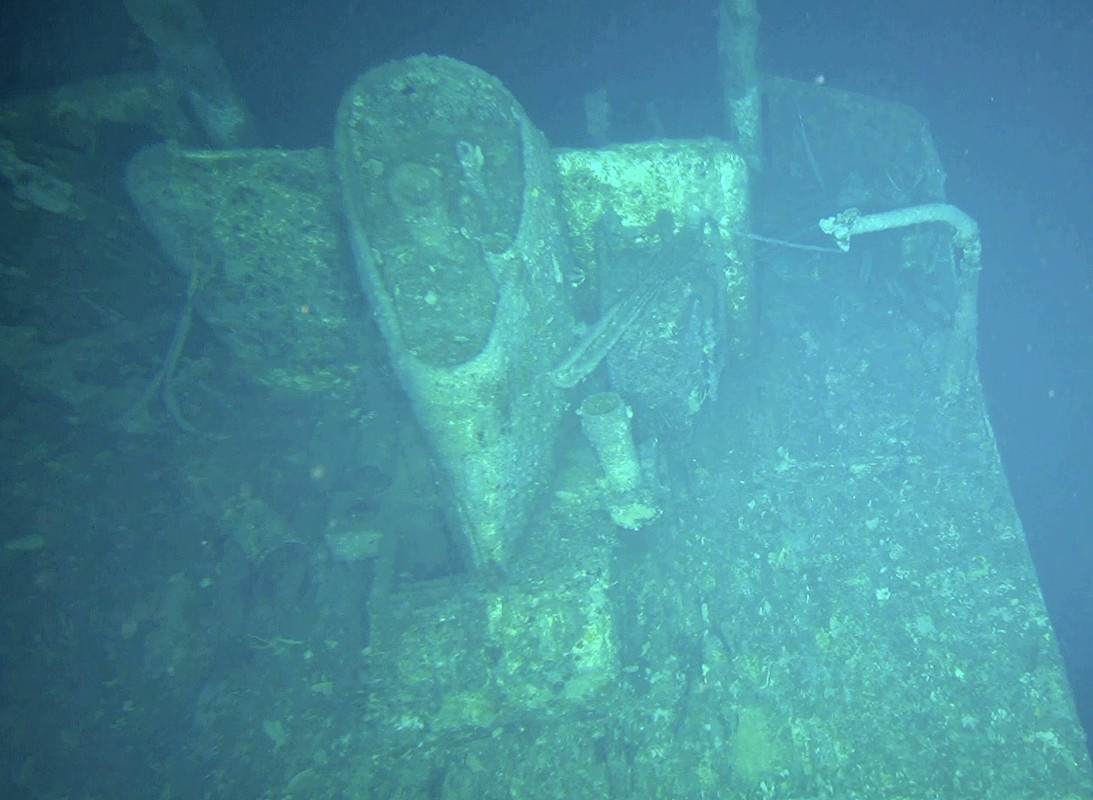
Until recently, the wreck had never been found. Researchers found it by chance in April 2023.
�

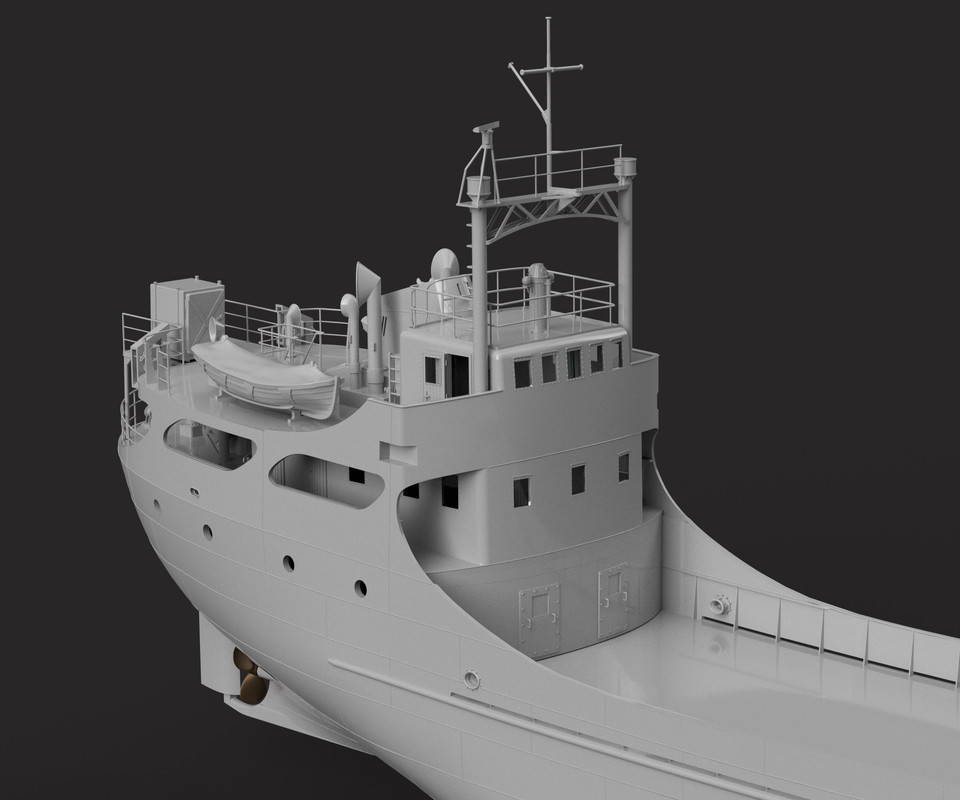
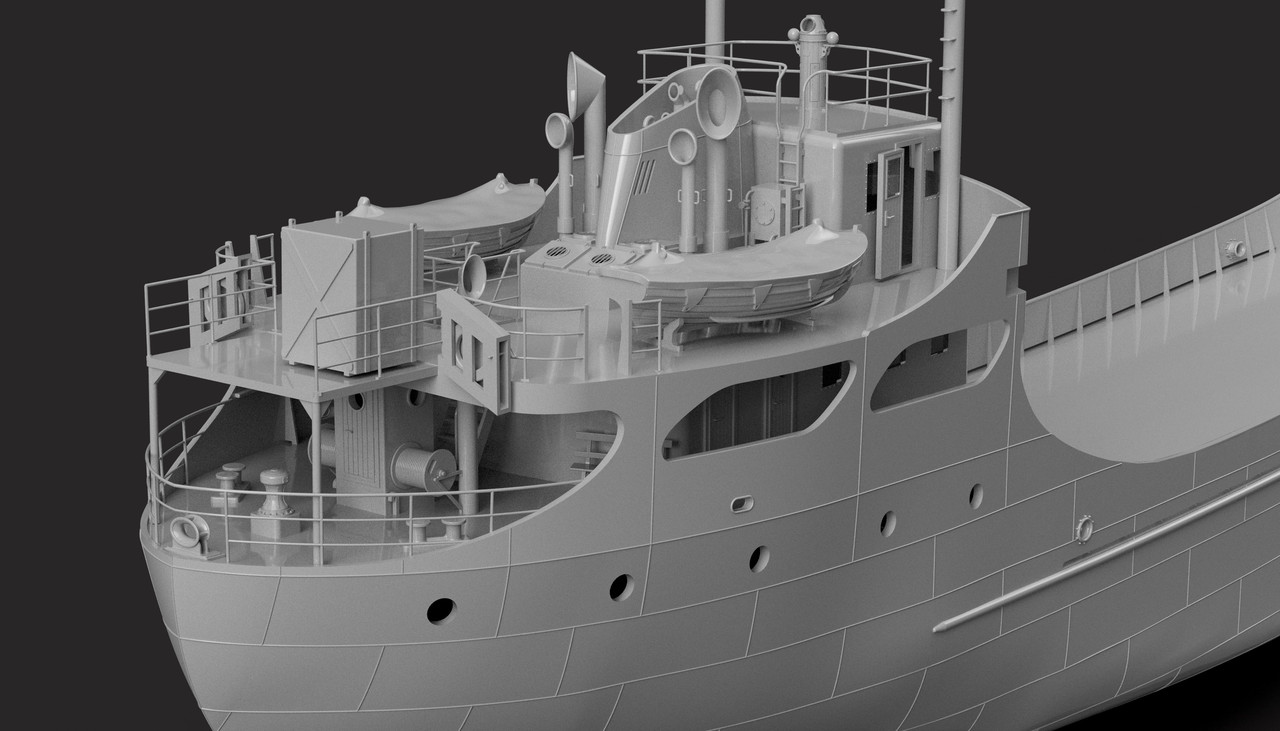
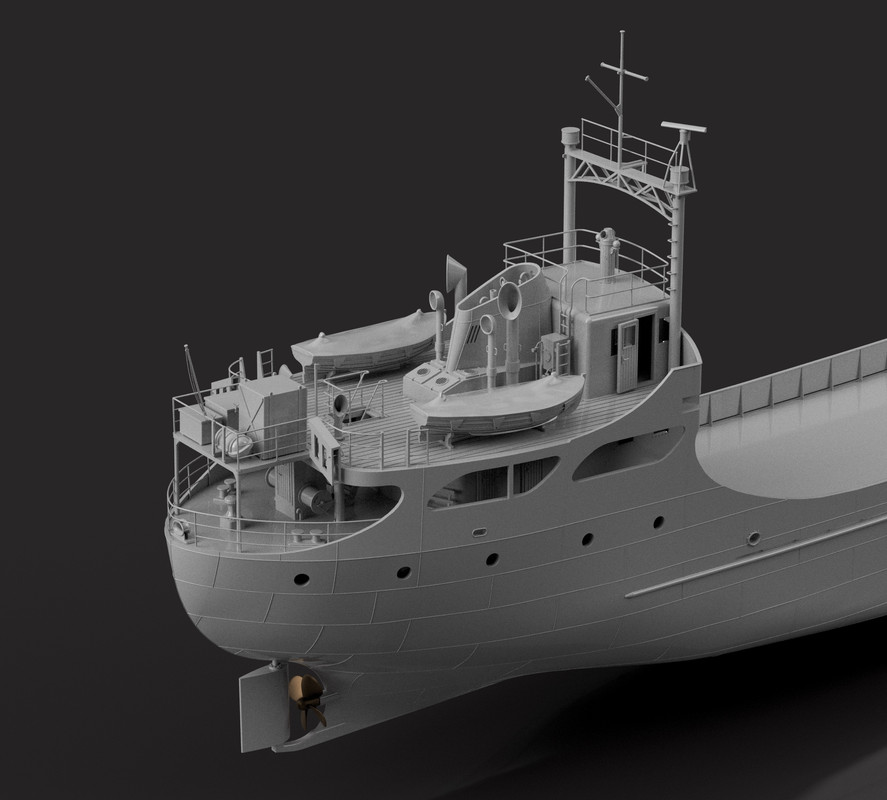
Australian researchers have put an end to a 50-year-old mystery. In April 2023, they succeeded in locating the wreck of the Blythe Star, a cargo ship that sank in 1973 off the coast of Tasmania but had never been found, reveals Smithsonian Magazine , Wednesday May 31, 2023, relayed by Slate .
�

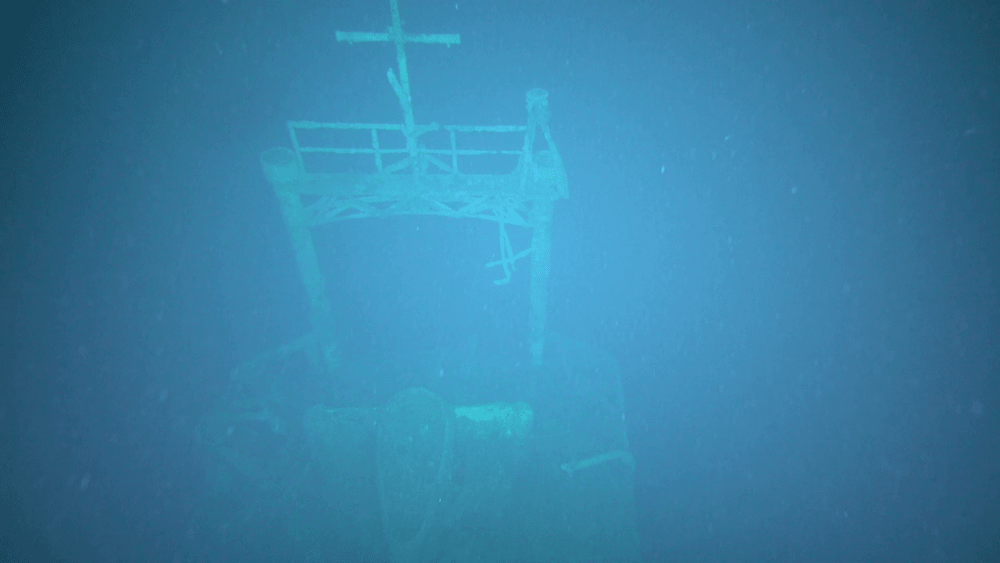
It was quite by chance, while investigating an underwater landslide off the west coast of the big island, that they spotted the hull of the Blythe Star, according to a release from the Commonwealth Federal Scientific and Industrial Research Organization (CSIRO).
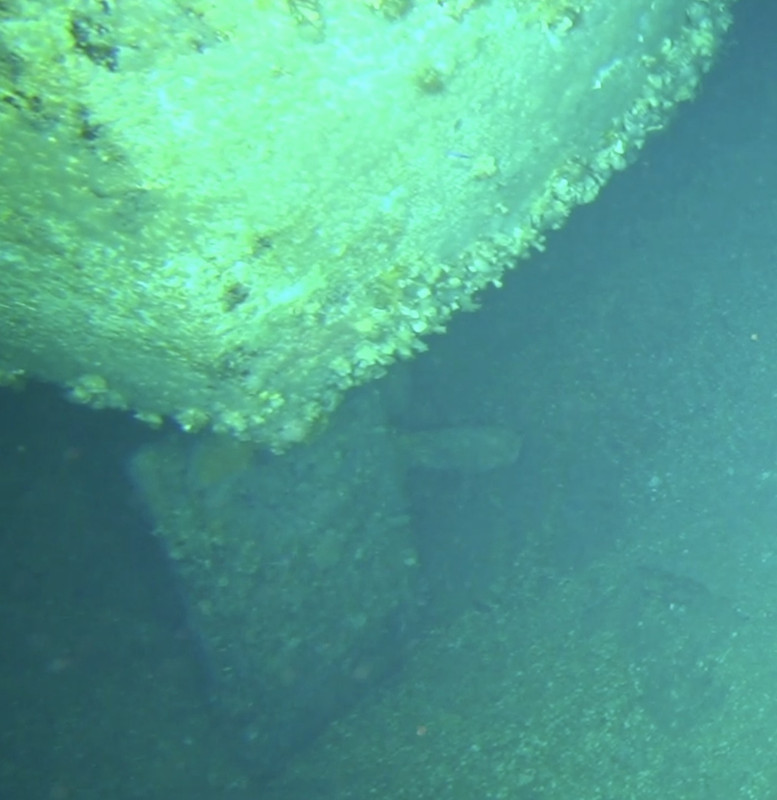
�They first used sonar to map the freighter, and then sent two underwater cameras to inspect the vessel, which was lying at a depth of 150 m.
The researchers were able to see that the wreck was teeming with life. They found numerous species such as fur seals, crayfish and algae.
Water rushed into the boat:
While sailing off the coast of Tasmania on October 12, 1973, this nearly 44 m long boat suffered an ingress of water. The ten crew members could do nothing and left the ship, which was carrying fertilizer and beer kegs, on board an inflatable raft.
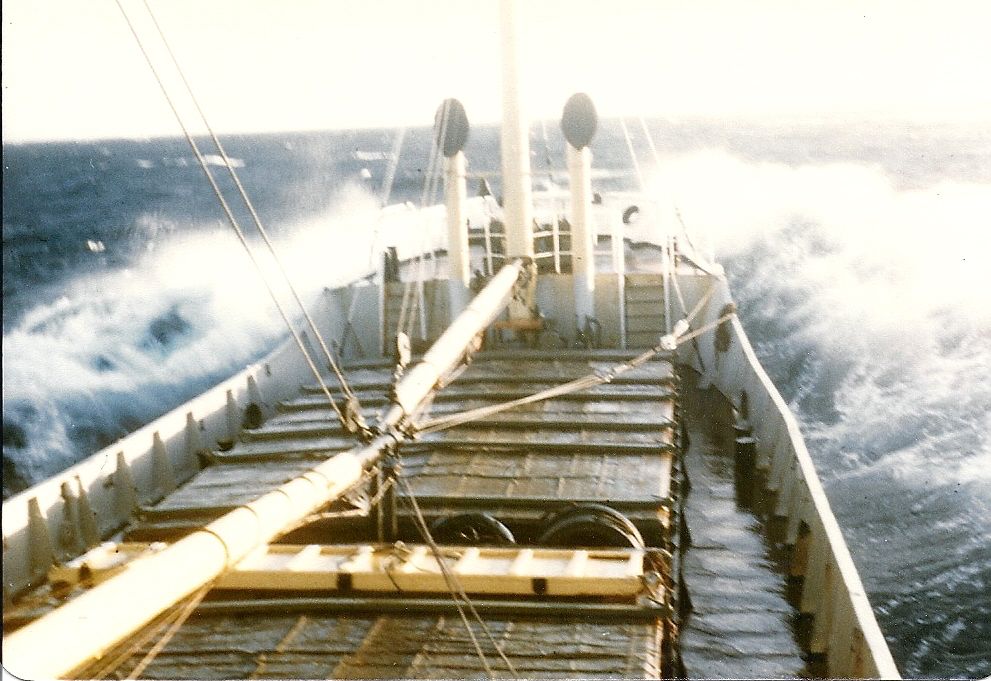
The authorities launched "the largest maritime search ever conducted in Australia at that time", according to CSIRO, but to no avail. After a week, the search was called off. But the sailors continued to drift on their raft, feeding on glucose powder, a little water and cookies. Eventually, they reached land off Tasmania's Forestier Peninsula.
Of the ten castaways, one man died at sea and two others perished shortly after landing. Three of the seven survivors eventually found help and everyone was eventually repatriated by helicopter.
Increased security:
Despite numerous explorations, no trace remained of the sunken vessel. The whereabouts of the Blythe Star remained a mystery for 50 years. But this tragedy, the origin of which is still unknown, had consequences for maritime safety laws, which became stricter in Australia. Since then, ships have been required to report their route and location via the Australian Ship Reporting System, according to Slate.
Today, there is only one survivor of this shipwreck. He is Mick Doleman, a 68-year-old man who was only 18 at the time. Since the tragedy, he has fought to improve sailor safety.

https://www.ouest-france.fr/monde/austr ... 641c0ef011
https://www.smithsonianmag.com/smart-ne ... 180982269/
Story:
TEN men rush into a small life raft, desperately free themselves and watch a ship in agony.
The MV Blythe Star takes one last step, bow dipping skyward, and is swallowed by the ocean.
Soaking wet, in shock, adrenalin coursing through their veins, the men allow themselves a sigh of relief that they haven't gone down with her, and set about waiting for help.
"Have you activated the SOS, George?" one asks.
"No," replies Captain George Cruikshank.
Hopes collapse as quickly as reality sinks in: nobody knows they're alive.
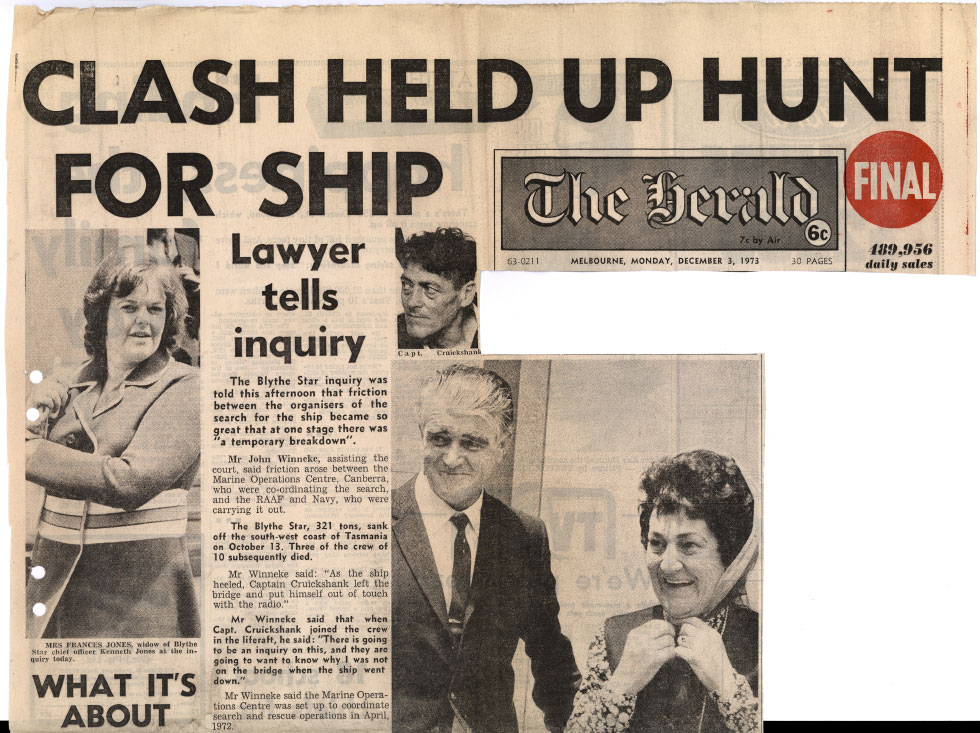
It's October 1973, and this is the beginning of an almost forgotten story of a failed search: an SOS call that was never made, and a desperate crew lost for 11 days at sea and on land that cost three of them their lives.
Seven men survived the sinking of the MV Blythe Star. Then they returned home and didn't talk about it much.
Forty-two years later, the last survivor of this story, Mick Doleman, finally spoke at length about the tragedy with Channel Seven's Sunday Night show - after his daughter encouraged him, as the last man standing, not to take it to his grave.
"It's a story that should have been told, but wasn't, mainly because none of the men who survived ever wanted to talk about it," says Sunday Night's Rahni Sadler.
"Firstly, because it was too traumatic. Secondly, because it's the code of the sea.
"It was a tragedy, and they never wanted it to be a story of heroism because three of them died. "Not only did these men not tell their families much more than was necessary, they didn't really talk about it with each other - even later, when some of them worked together again. It was a different time.
It's an incredible story, made all the more powerful by Doleman's stoic narration.
"The scariest thing is to stand on the side of your world - a crooked ship on the ocean - and watch it disappear beneath your feet," he says, reliving the minutes of despair as they abandoned ship.
They couldn't launch their lifeboats and were left with a frail rubber raft just over three meters long.
With the ship dying, he remembers the relief.
"We all went down, all ten of us. We survived, without worrying," Doleman recounts.
"We couldn't have been so wrong," he adds, realizing that the captain's inability to issue a distress call meant that the rescue would not take place in hours, but days, if at all.
Through meticulous reconstruction, Doleman's account reveals eight days of desperation, the loss of the first crew member, John Sloan, and his burial at sea.
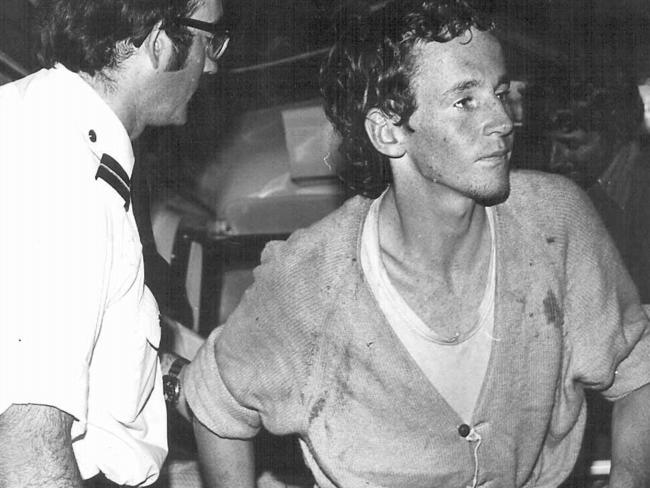
"It shook us. It shook us," says Doleman, fighting back tears. "It made us lose all our composure.
The search had begun by then, but rescuers were looking for a ship, not a tiny raft.
"The Tasman Sea is the strongest and it threw everything at us," explains Mr. Doleman.
"It would crush us on the front of a wave and the raft would fold up.

For eight days, the crew endured bitter cold, rough seas and intense thirst. And sometimes, blissful delirium.
At one point, they drank their entire water supply, convinced in their delirium that they were at a party drinking beers.
Salvation came on the eighth day, when they made landfall at Deep Glen Bay, on the Tasmanian coast. It would be another three days - and two deaths - before the ordeal came to an end.
https://www.news.com.au/entertainment/t ... f40a532cfb

____________________________
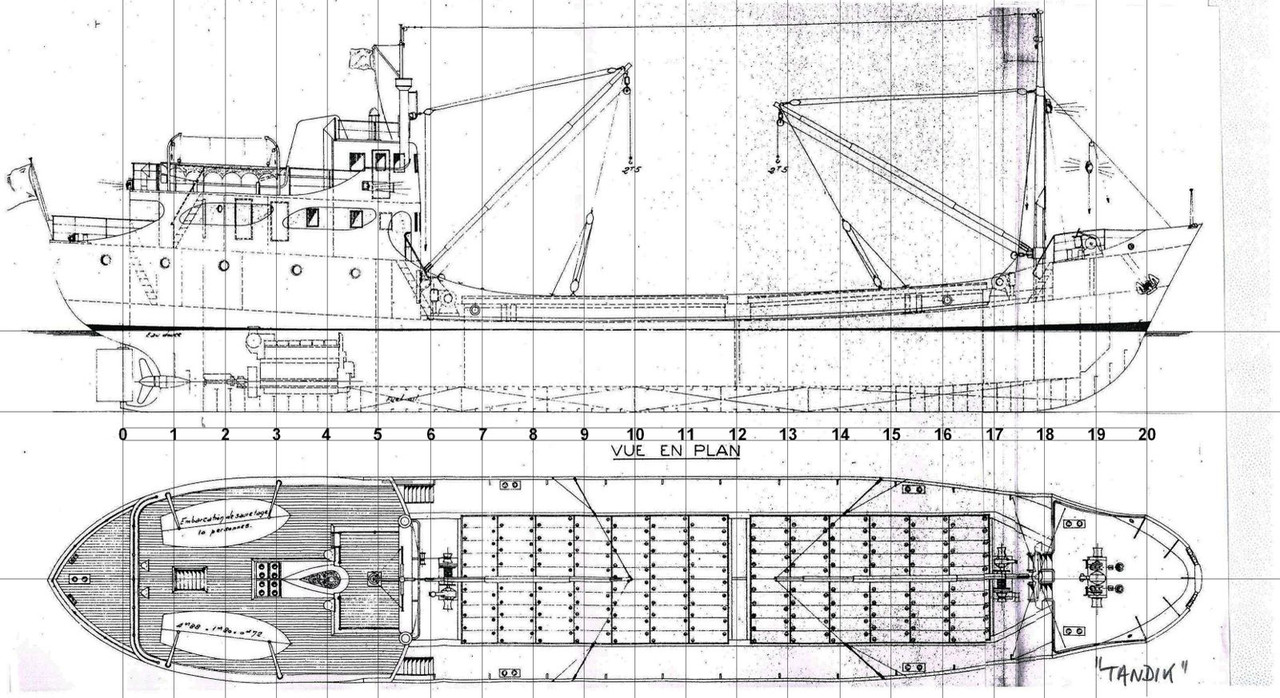
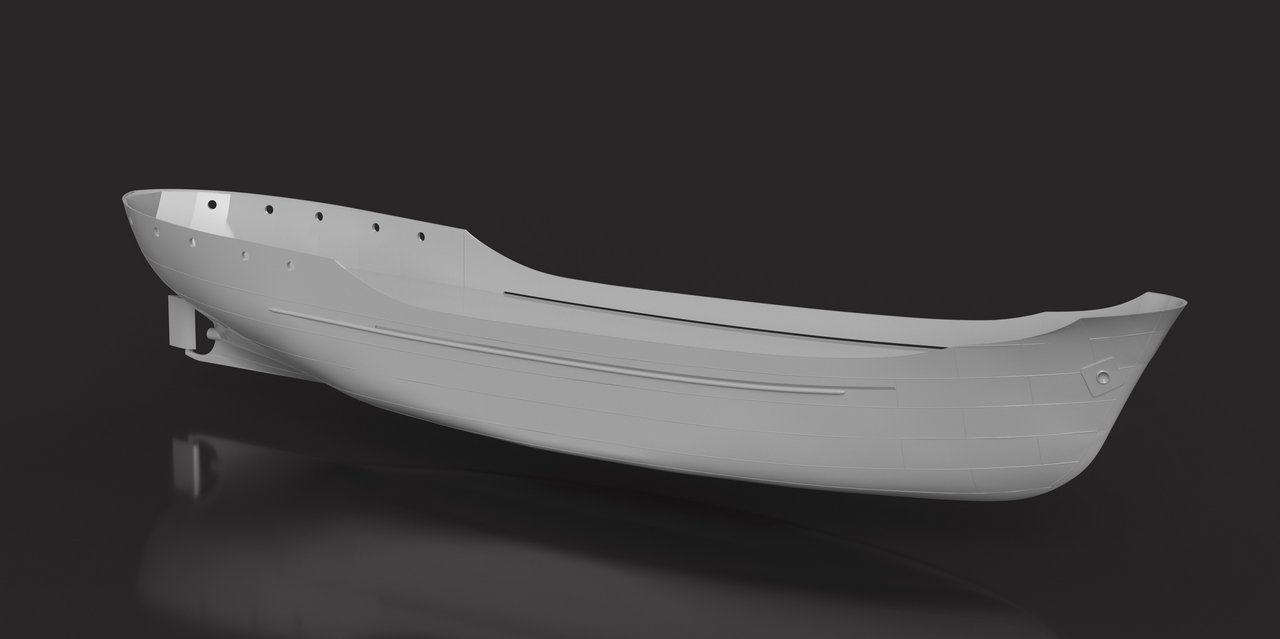
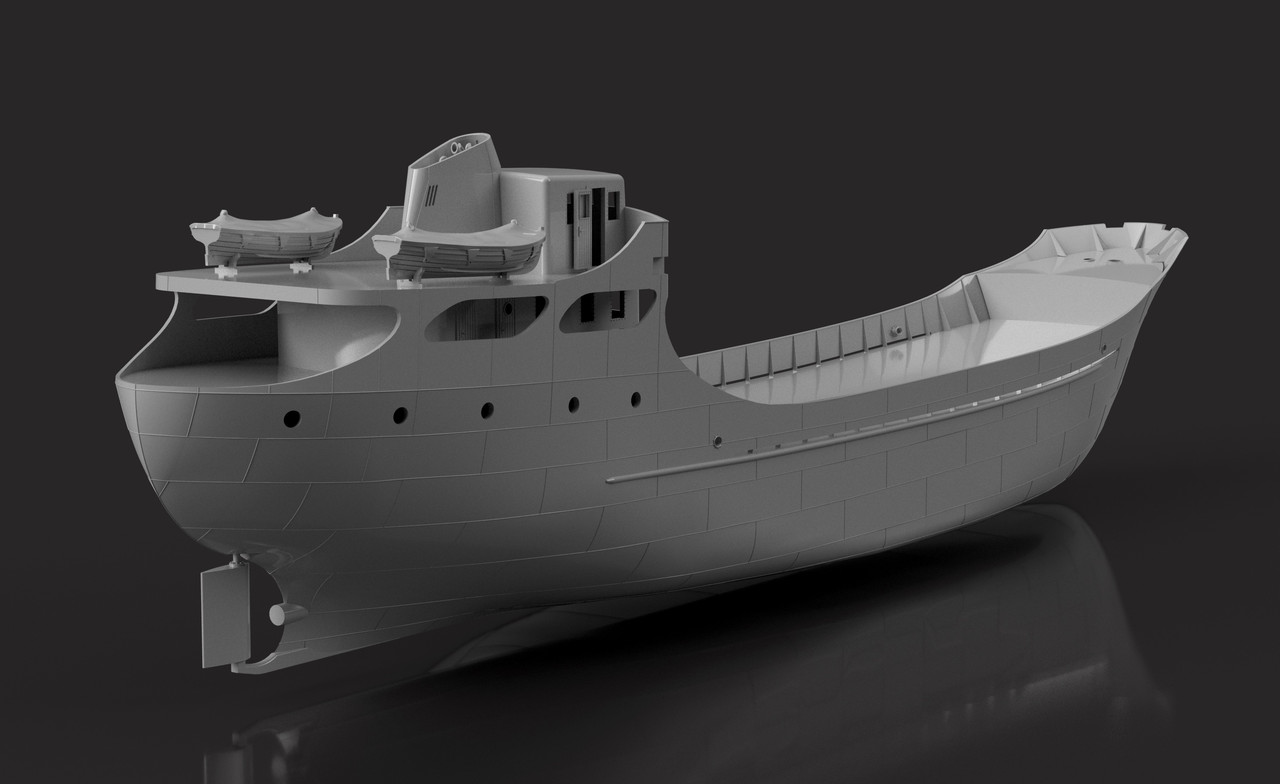
Type Steel-hulled coastal freighter
Tonnage 321 gross tons
Length 144 ft (44 m)
Beam 25 feet (7.7 m)
Draft: 10 ft (3.0 m)
Engine power: 490 hp diesel
Speed: 10 knots (19 km/h; 12 mph)
Crew: ten
Blythe Star was the second ship to operate under this name in Tasmania in the mid-twentieth century. The first, commonly known as Blythe Star I , was itself lost after a fire in the engine room in the late 1950s.
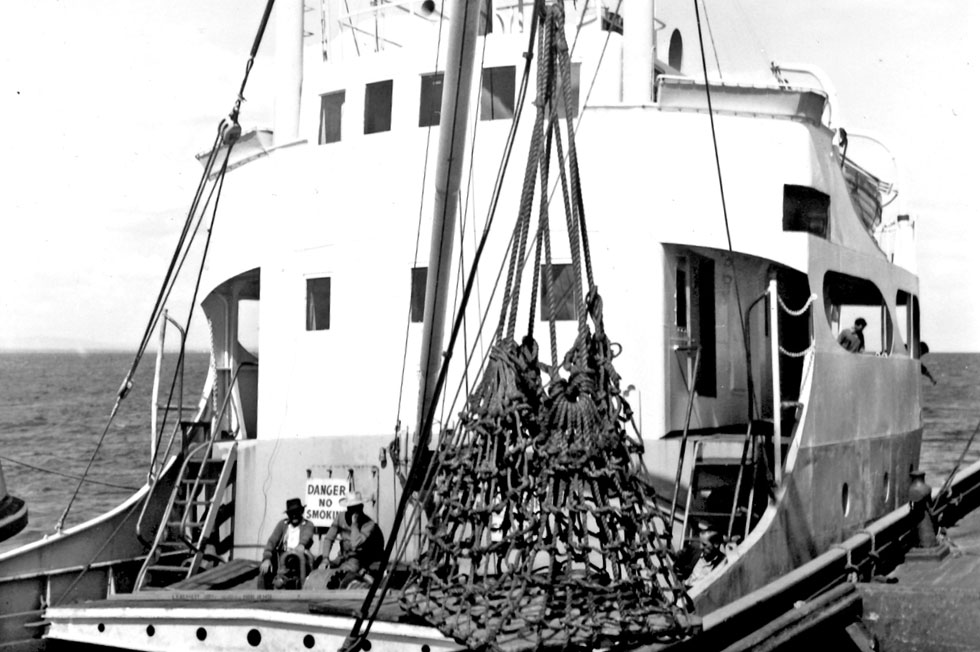
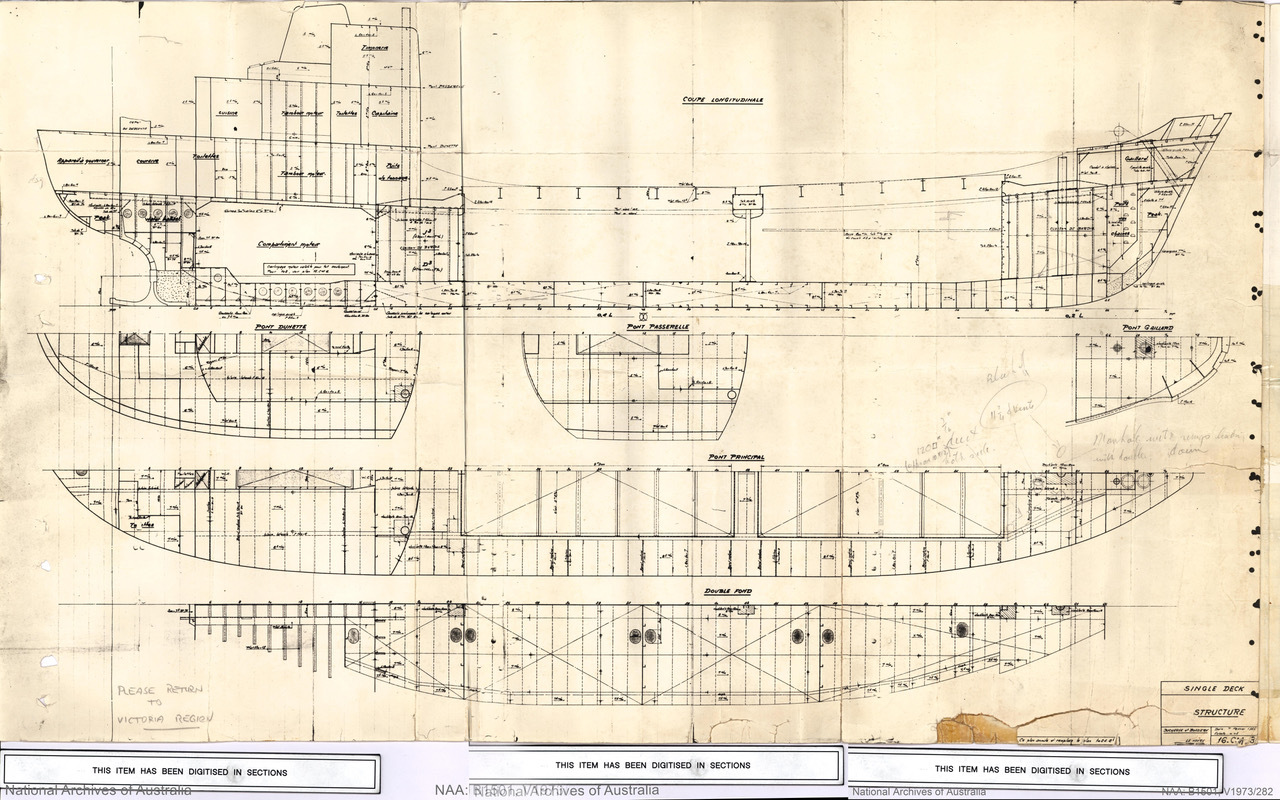
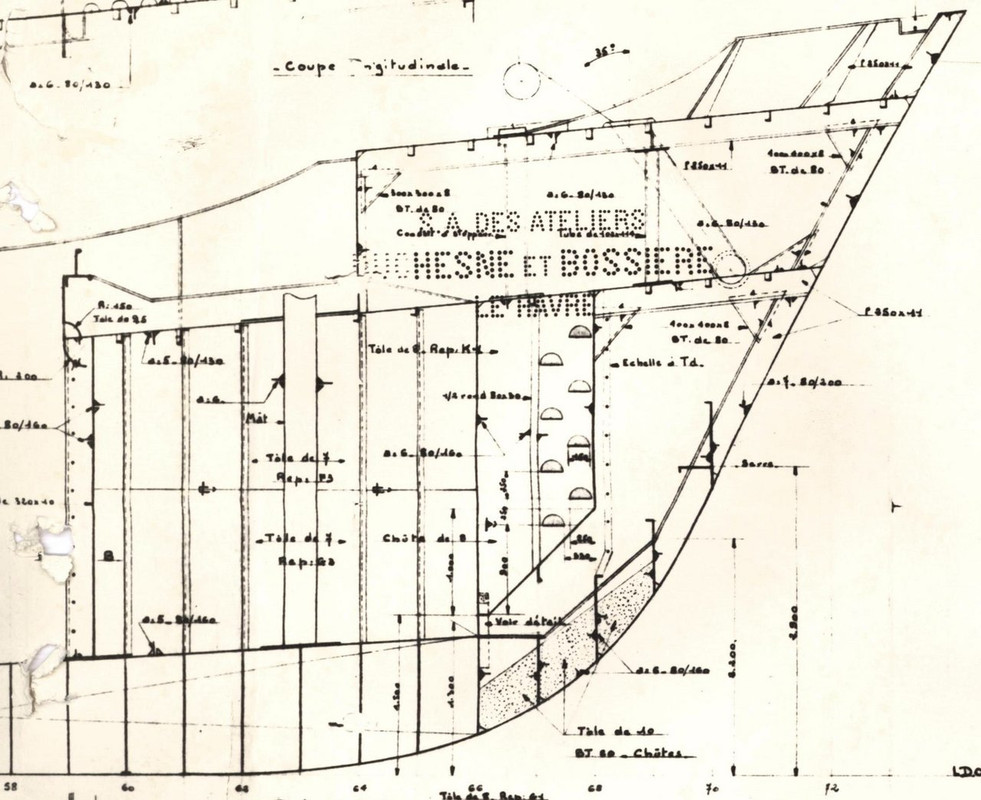
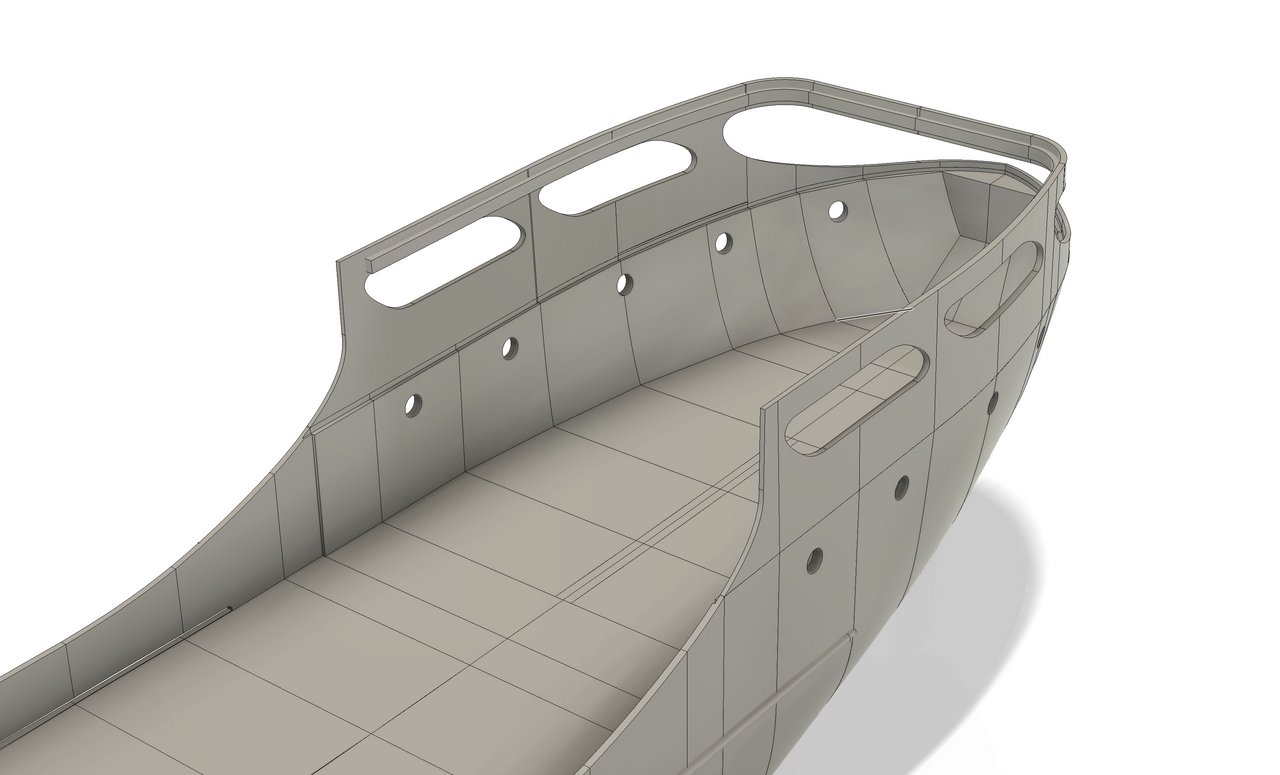
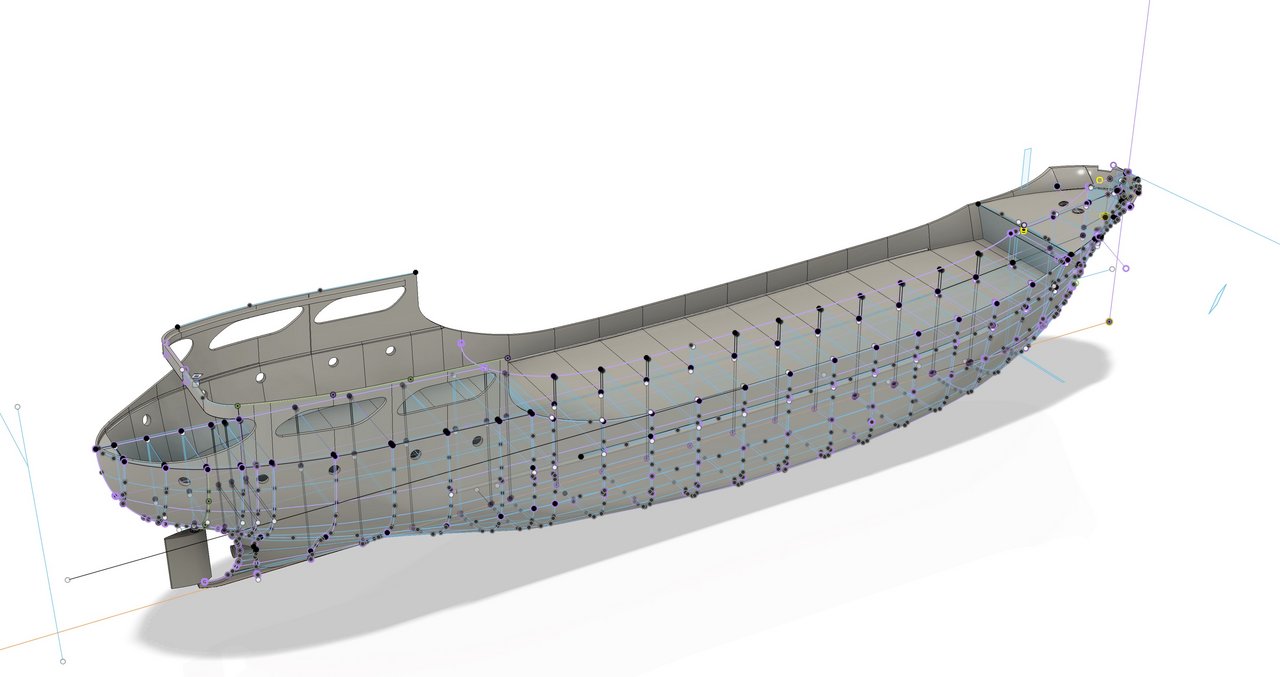
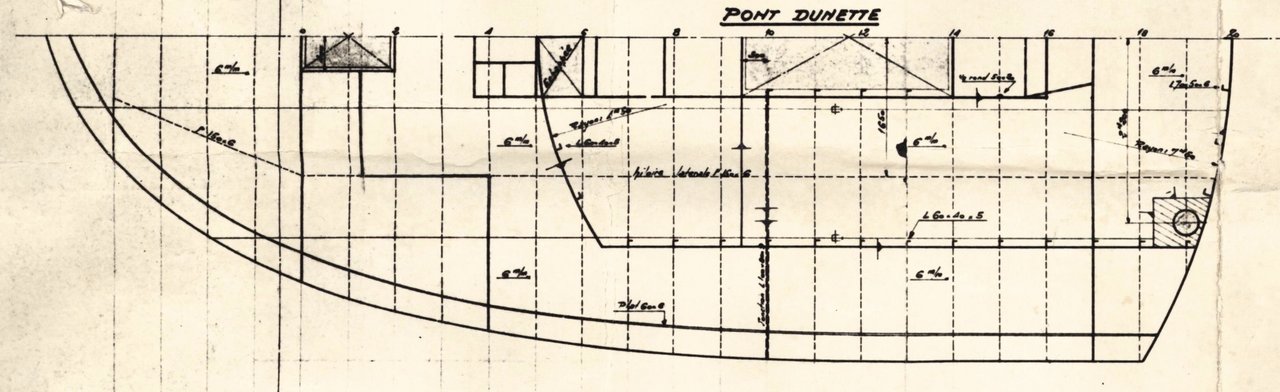
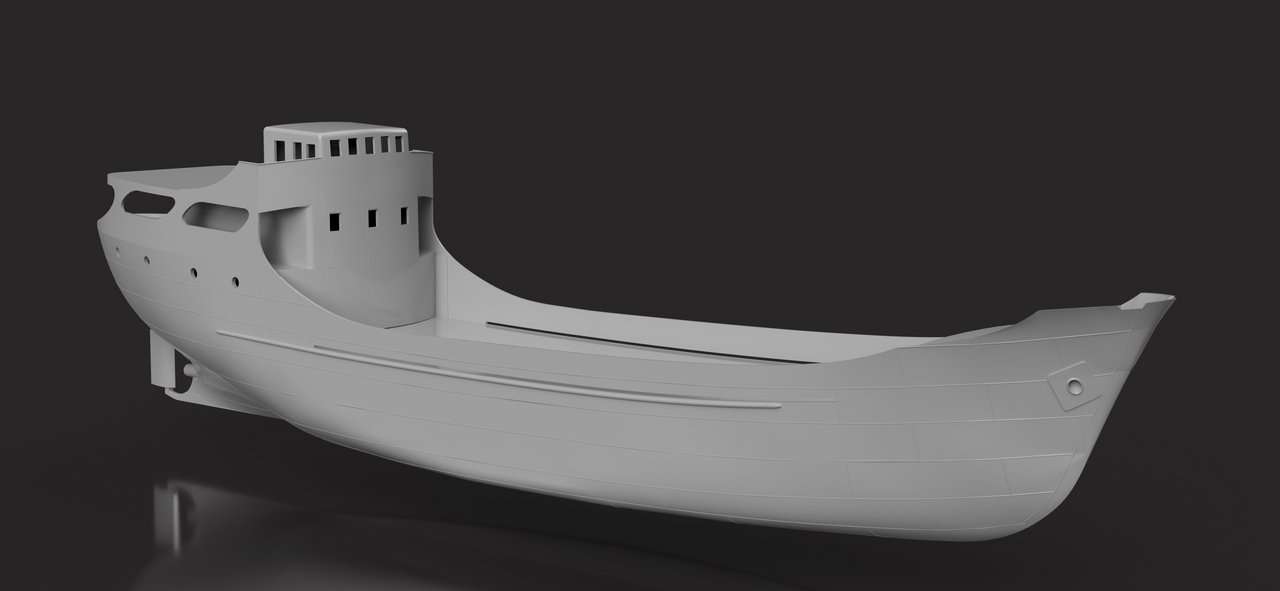
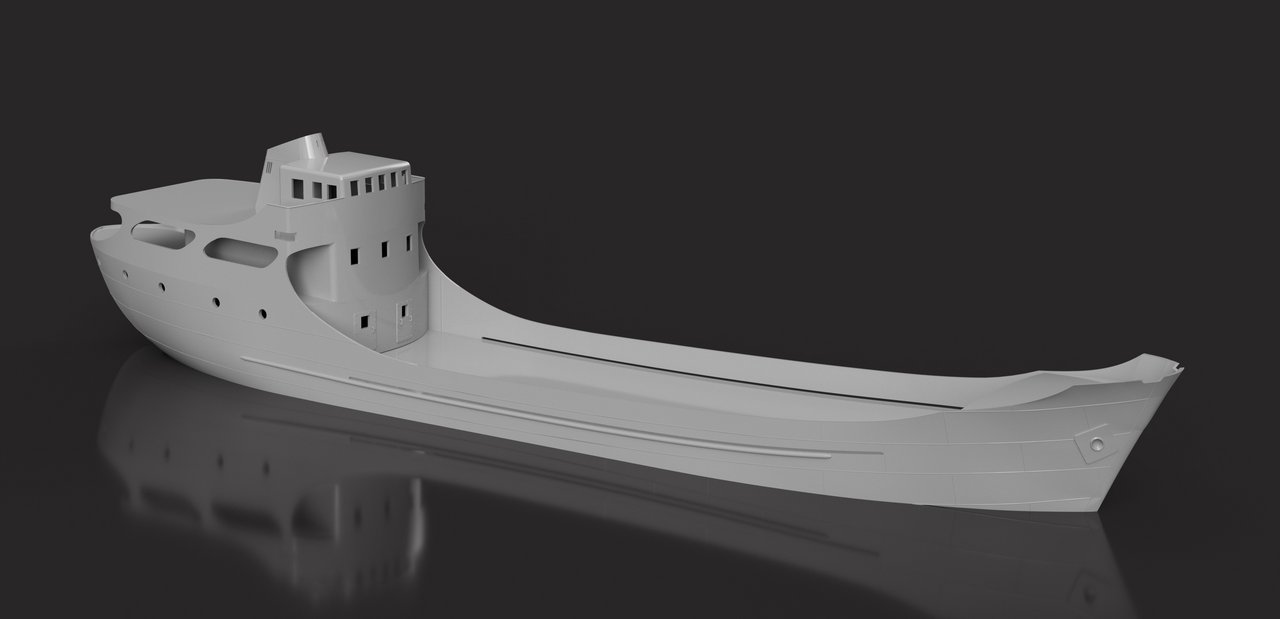
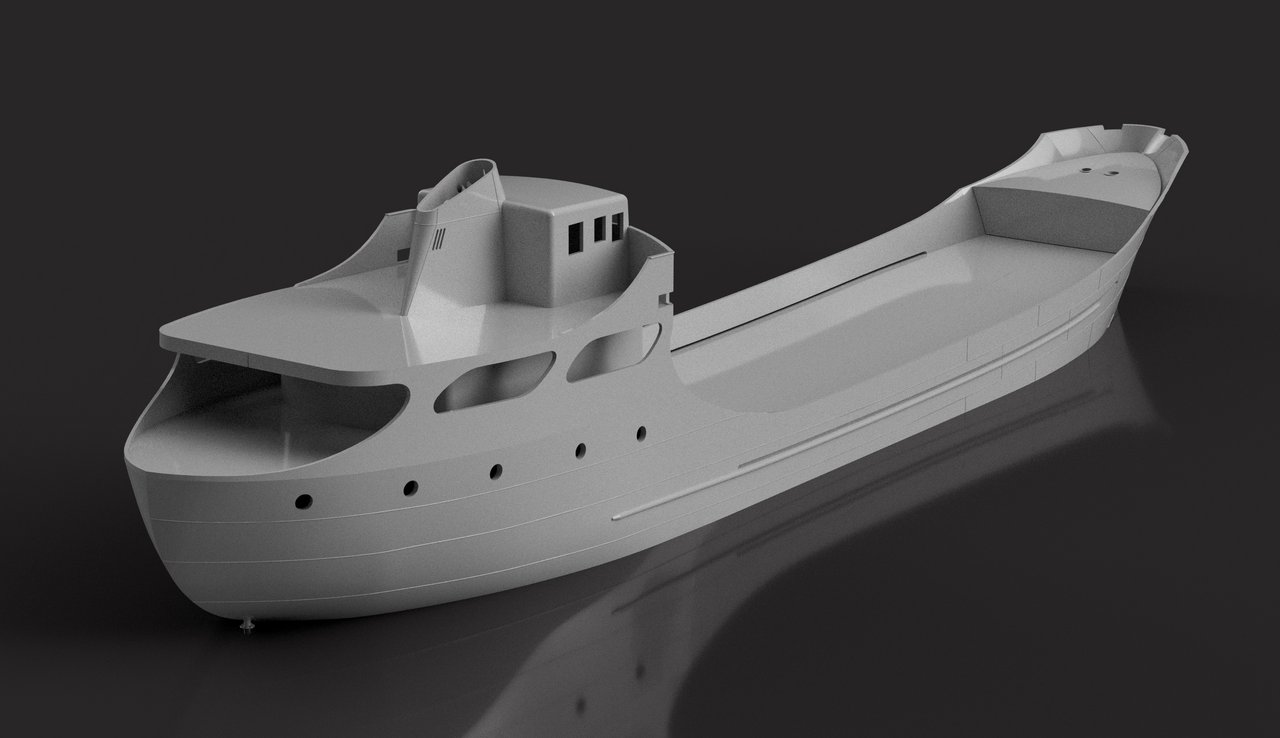
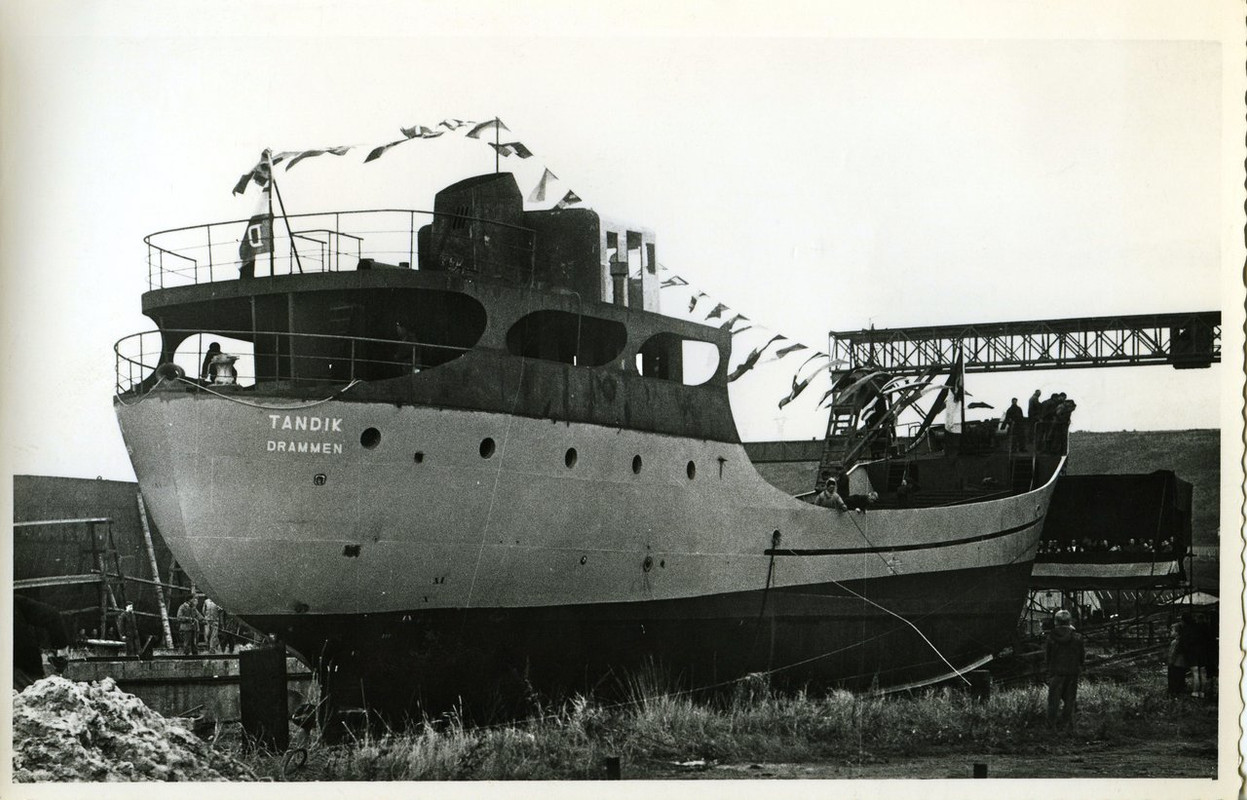
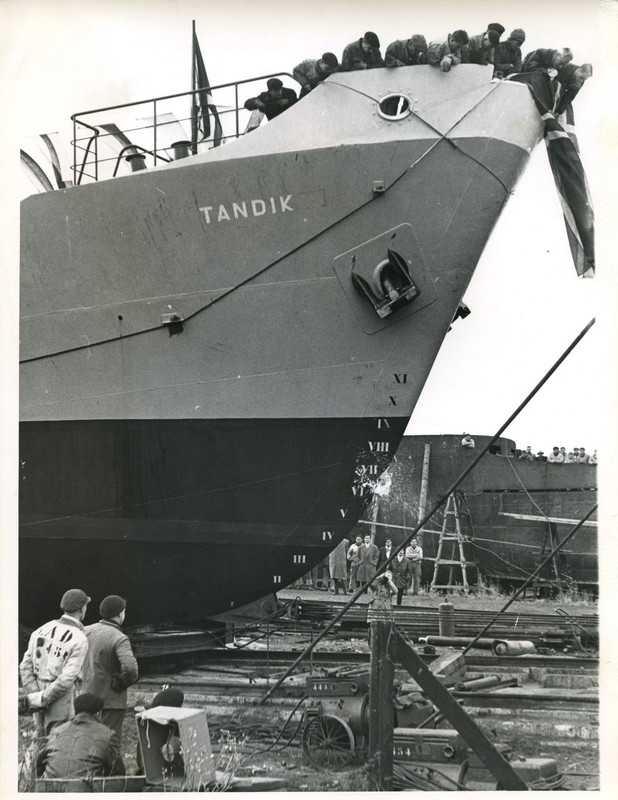
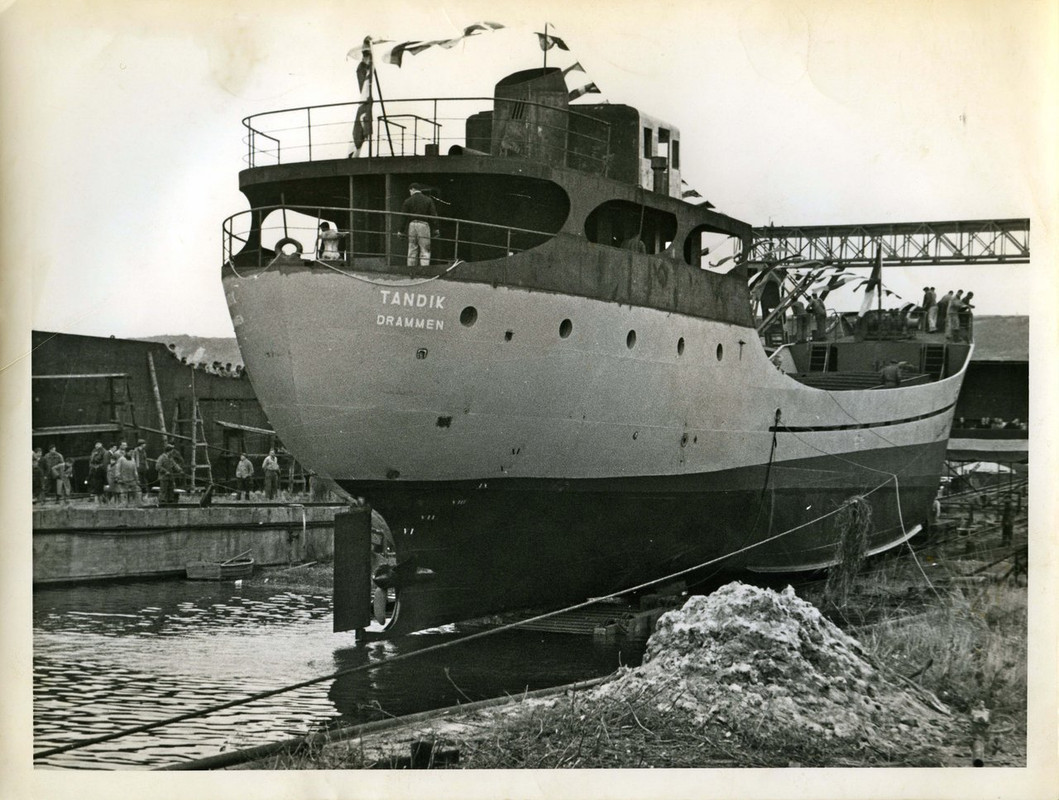
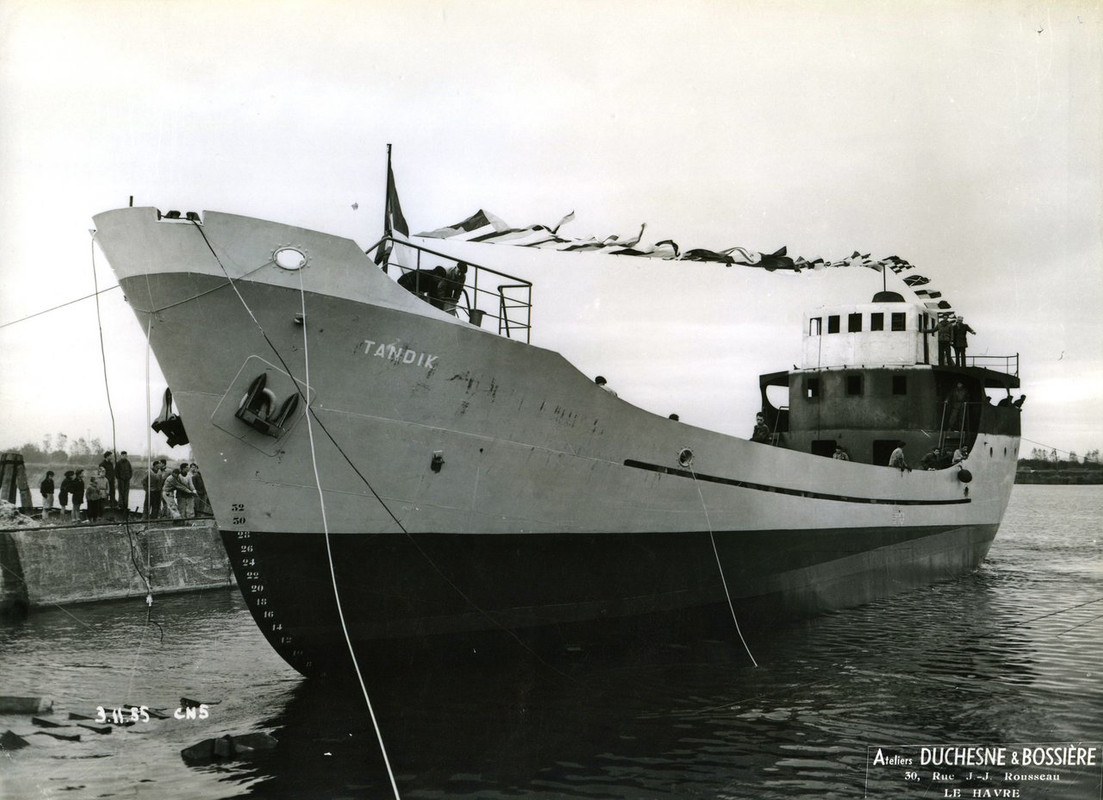
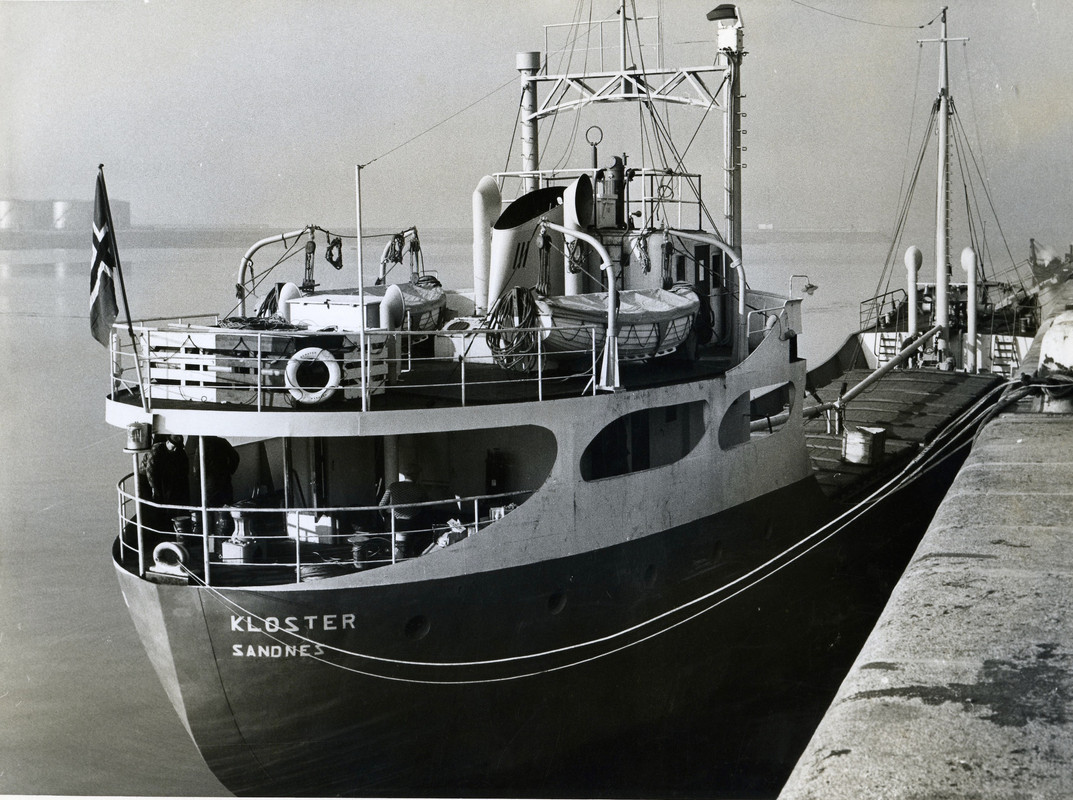
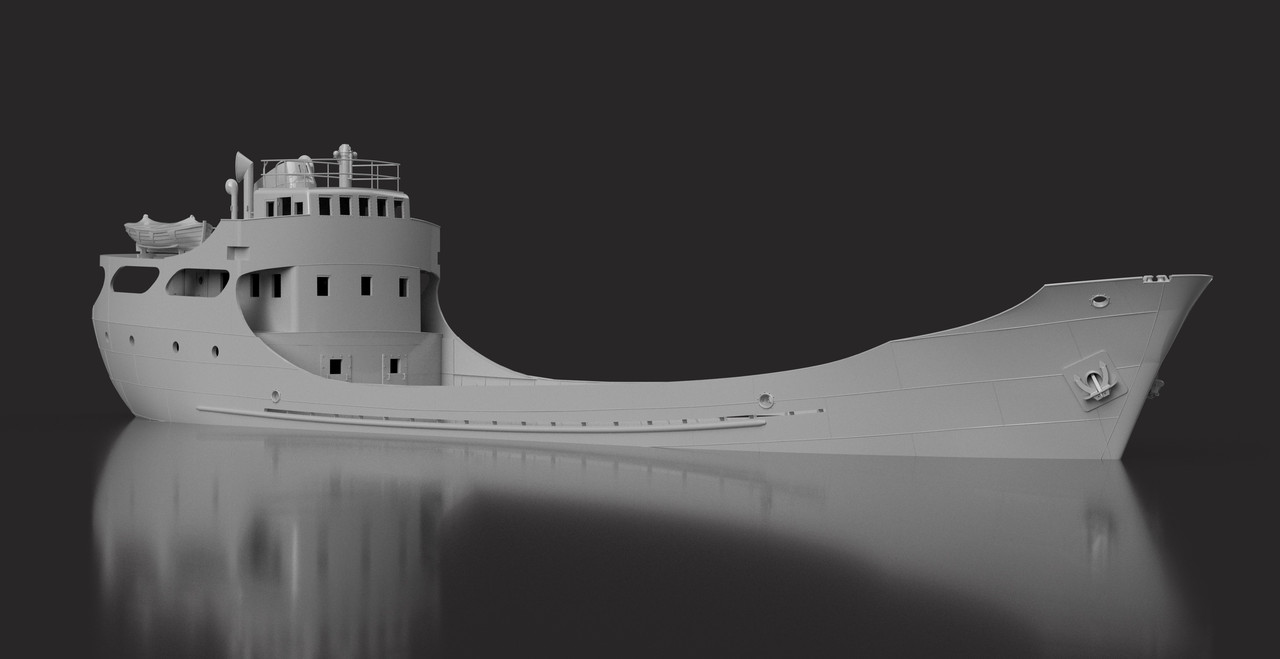
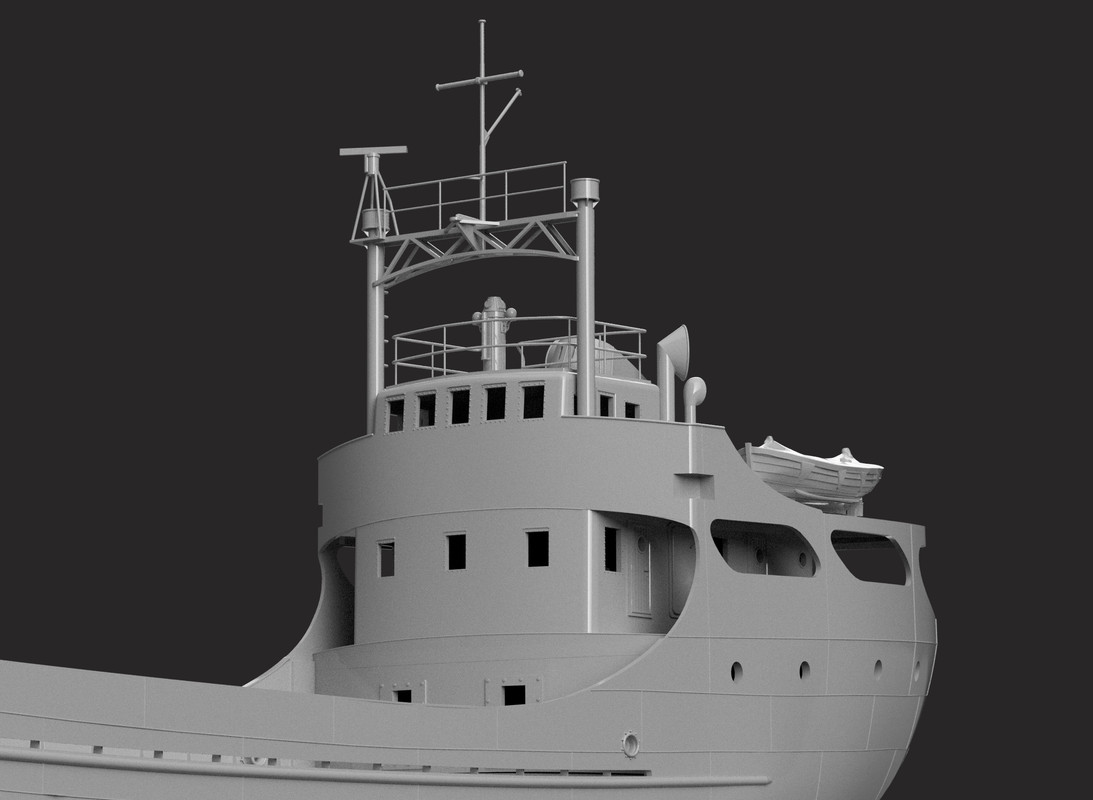
Blythe Star (II) was a small 371 gross ton cargo ship built by Ateliers Duchesne et Bossiere in Le Havre, France, in 1955, for owners Rederi A/S Orion of Drammen, Norway. Originally named Tandik, the vessel was purchased by Bass Strait Shipping Company in 1960 and renamed Blythe Star .�
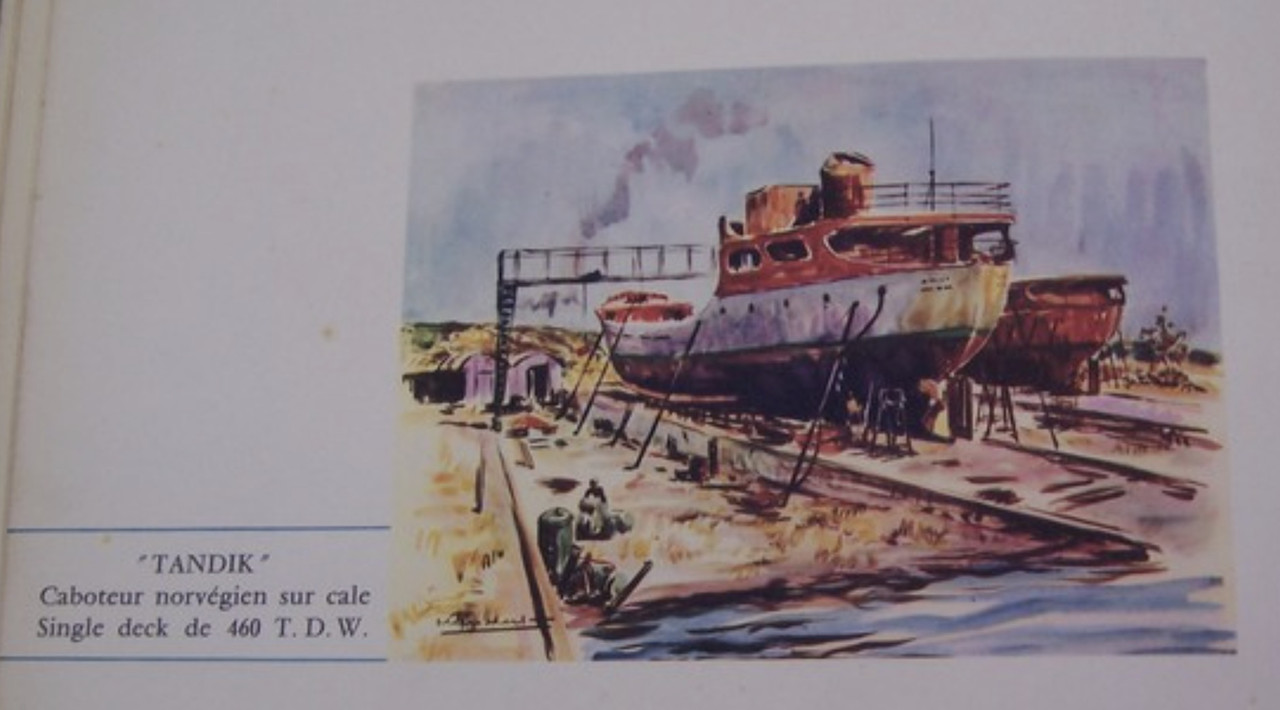
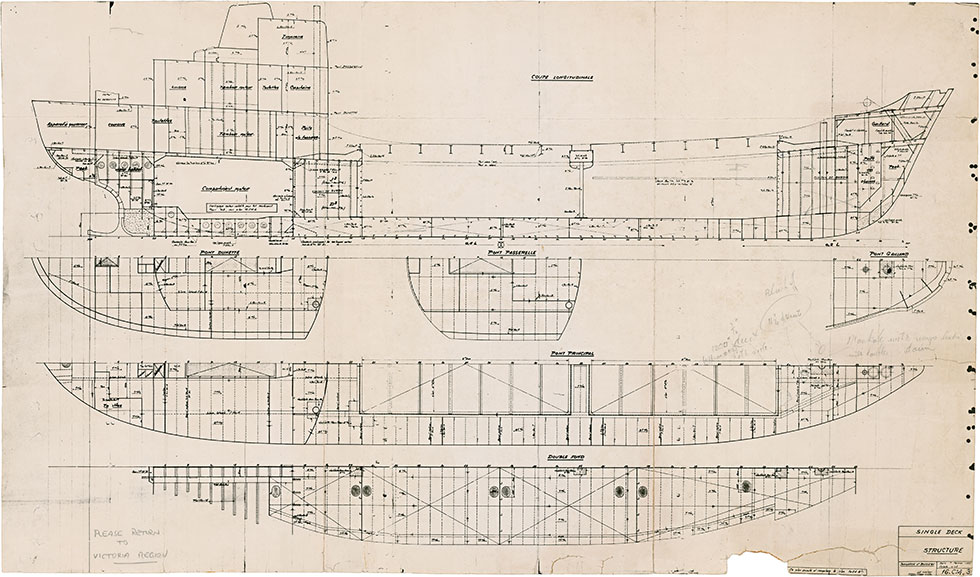


Records show that, during her time in Australia, she operated as a coastal freighter around Tasmania and the surrounding islands, as well as making voyages across Bass Strait to mainland Australia and around its coasts.
Wiki.
https://www.naa.gov.au/blog/sinking-blythe-star
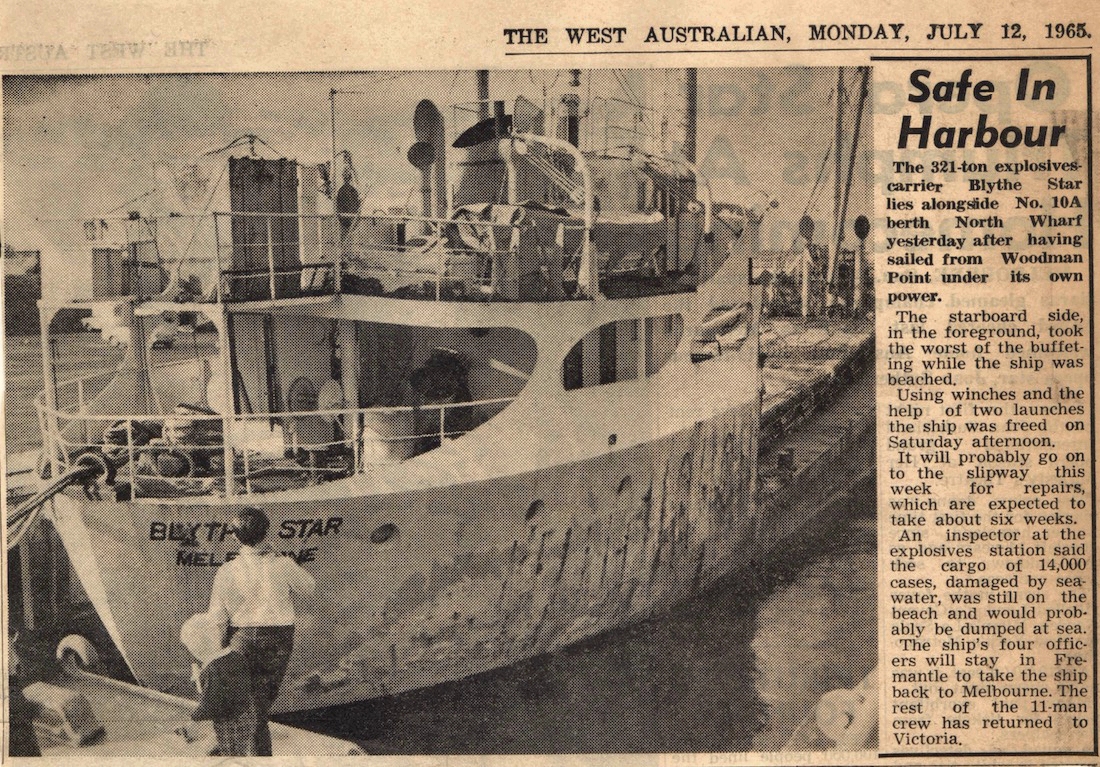
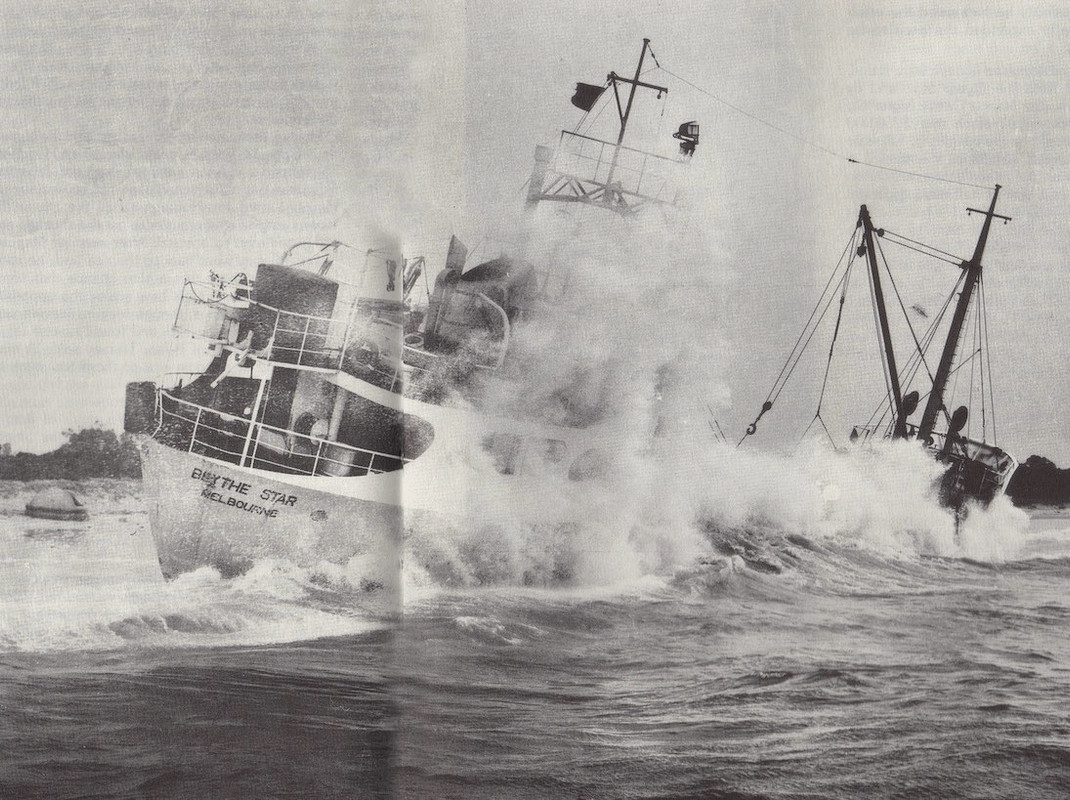
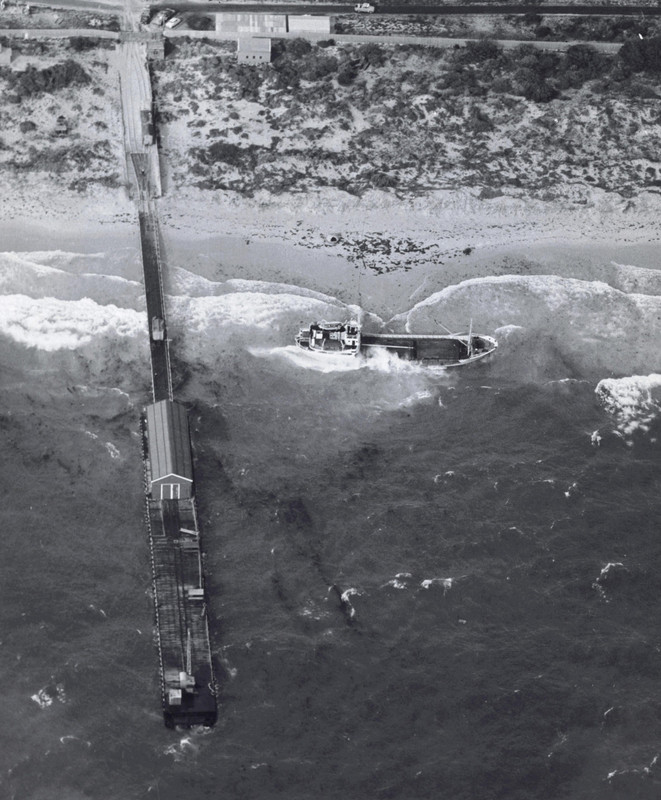
The ship had already gone ashore some time before it sank:
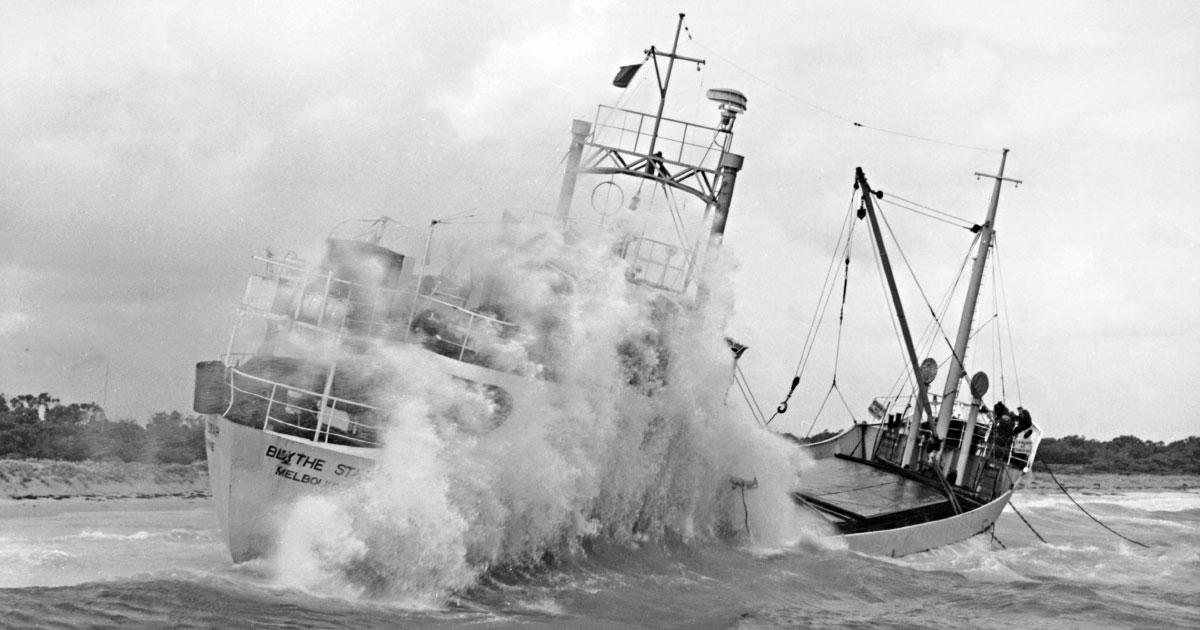
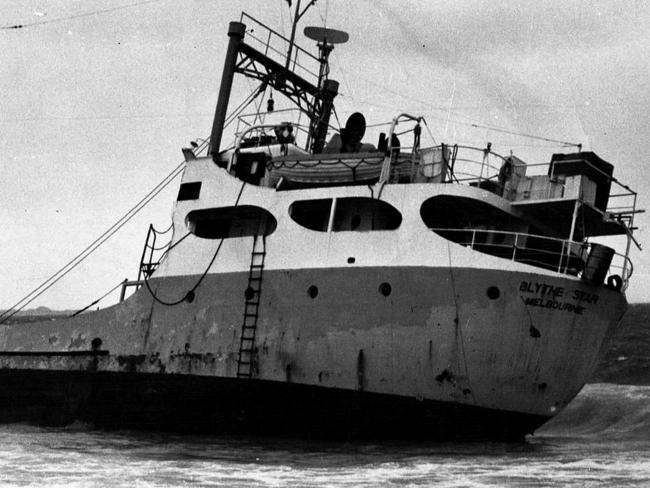
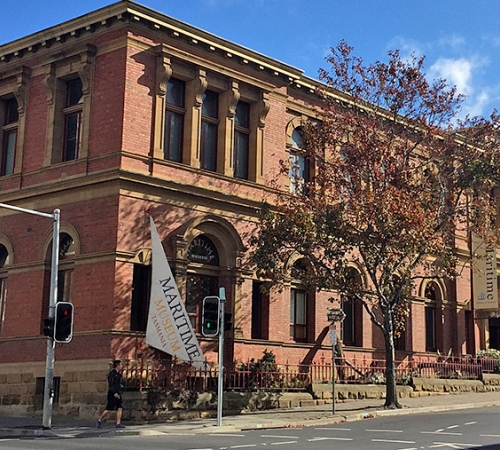
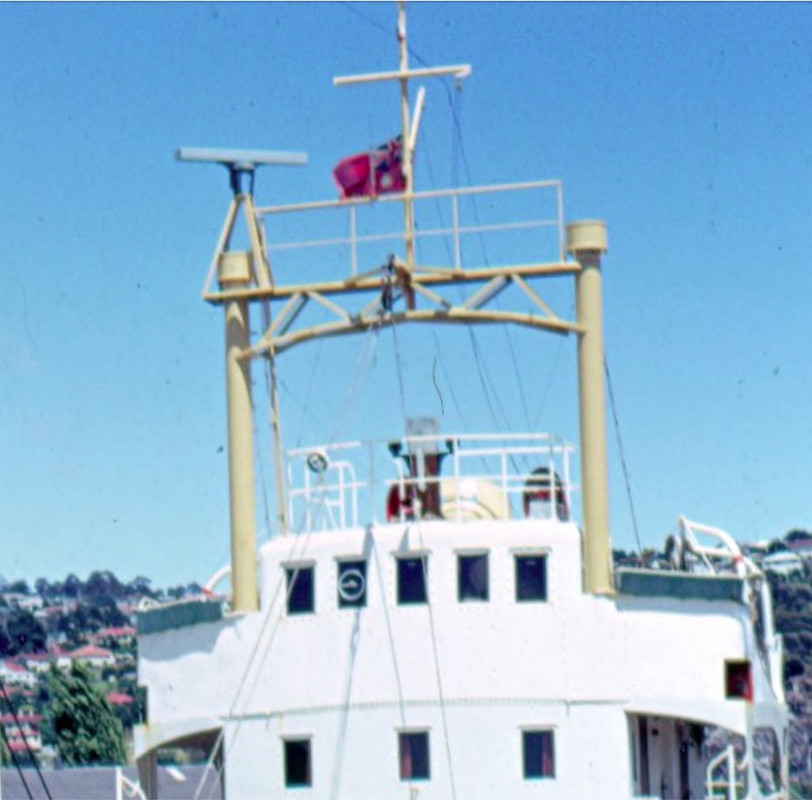
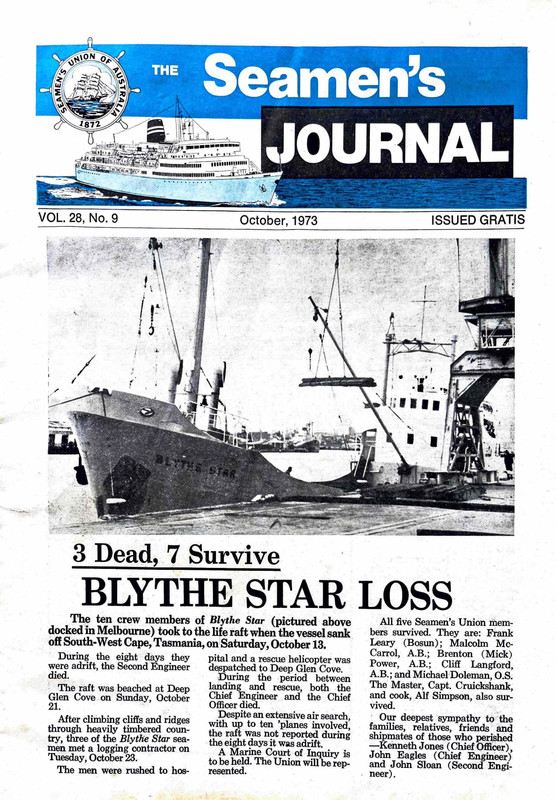
The MV Blythe Star in Prince of Wales Bay, Hobart in 1973. Shortly after this photo was taken, the ship capsized near Tasmania's South-West Cape. Photography : O'May Collection, Tasmanian Maritime Museum.
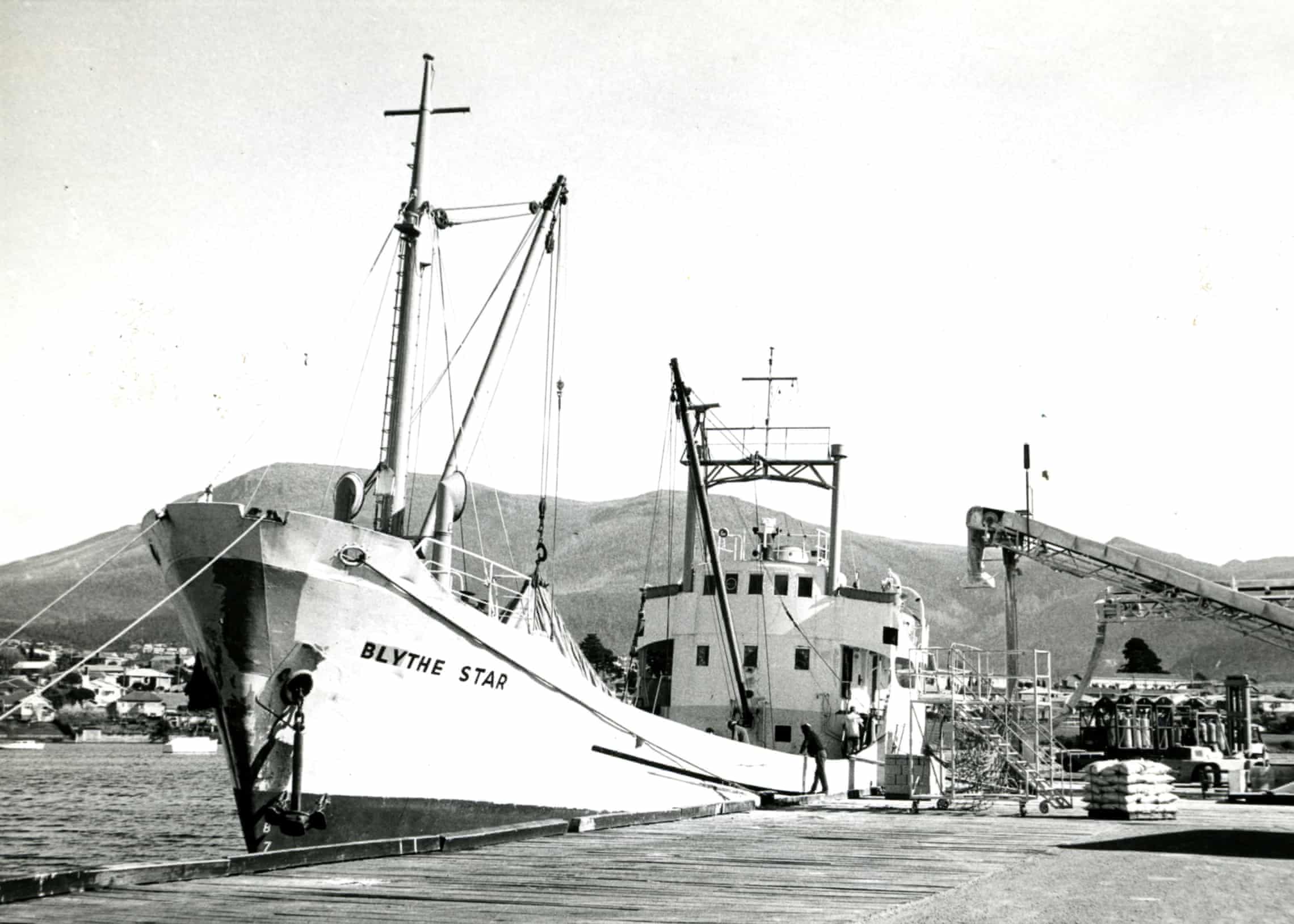
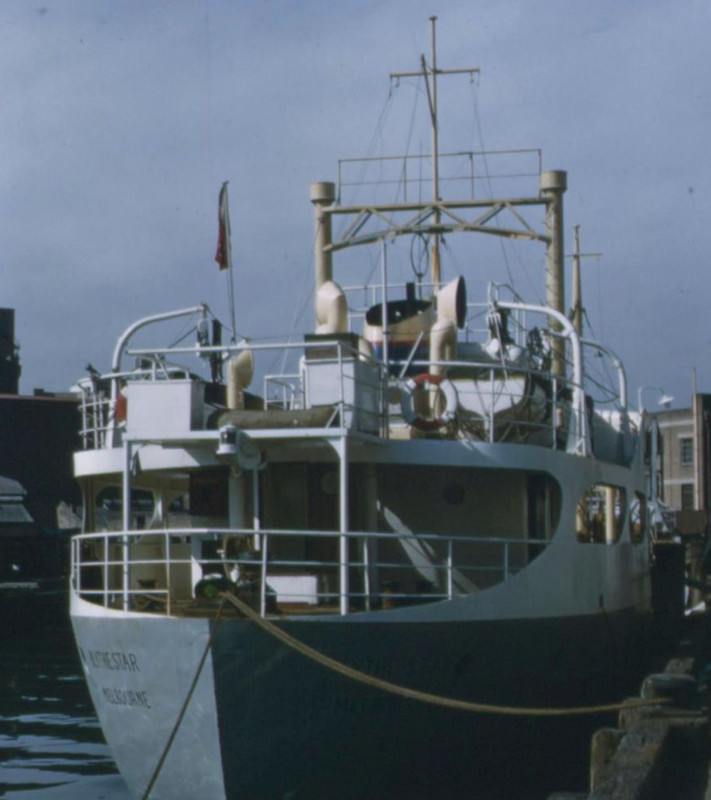
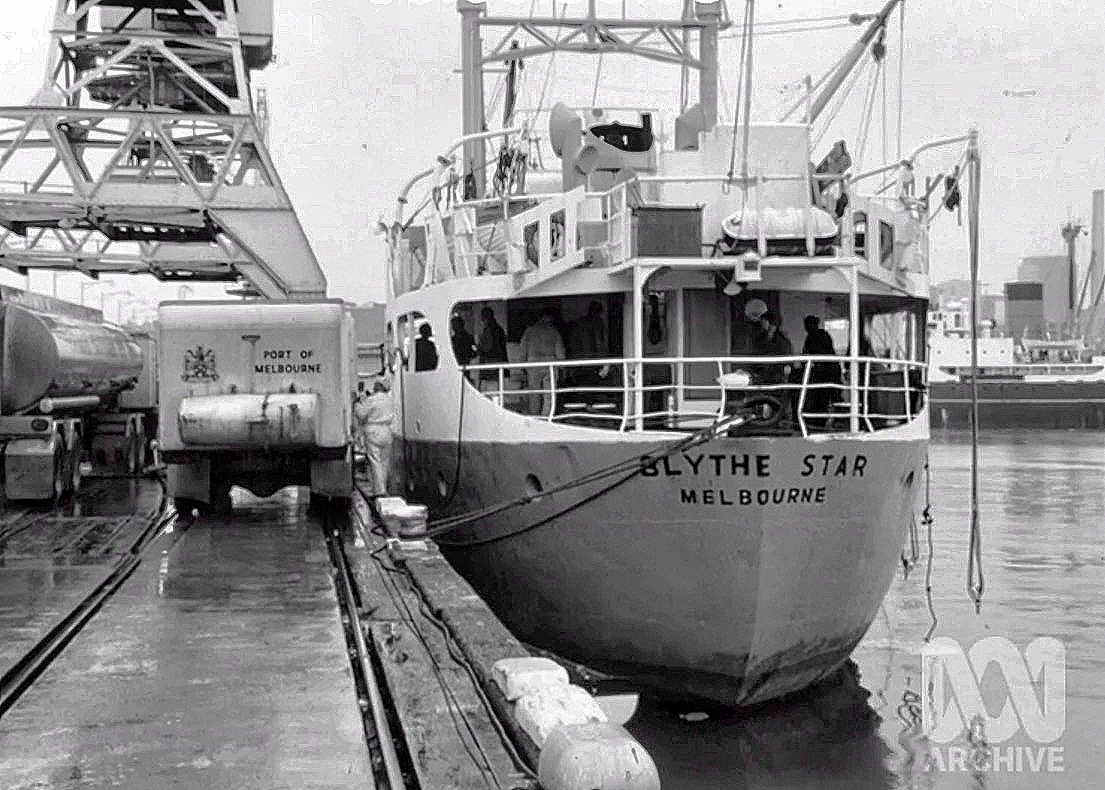
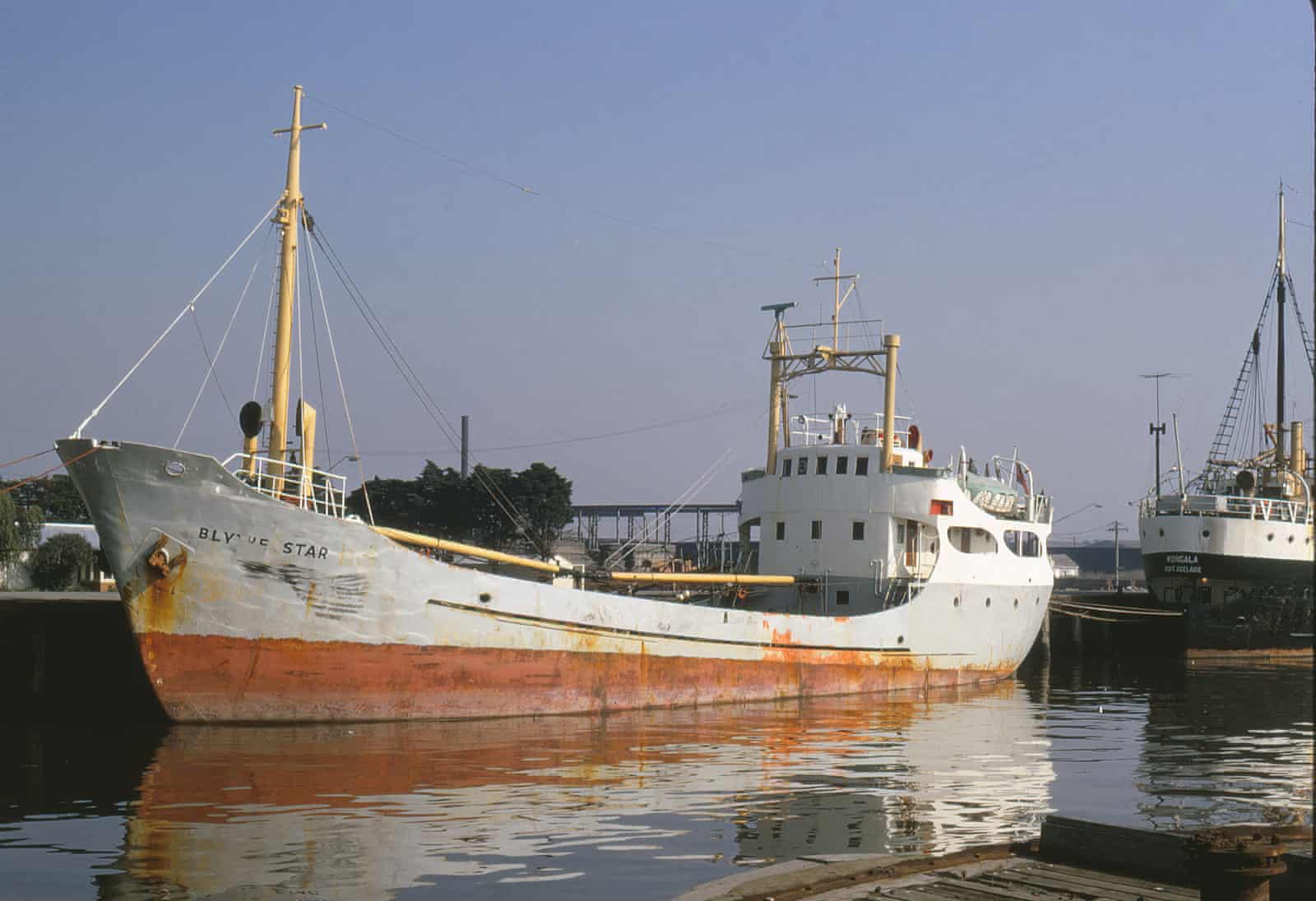
The Blythe Star docked in Melbourne in 1971. The shipwreck led to the development of modern maritime operating principles. Photo: R. Cox.
�
?