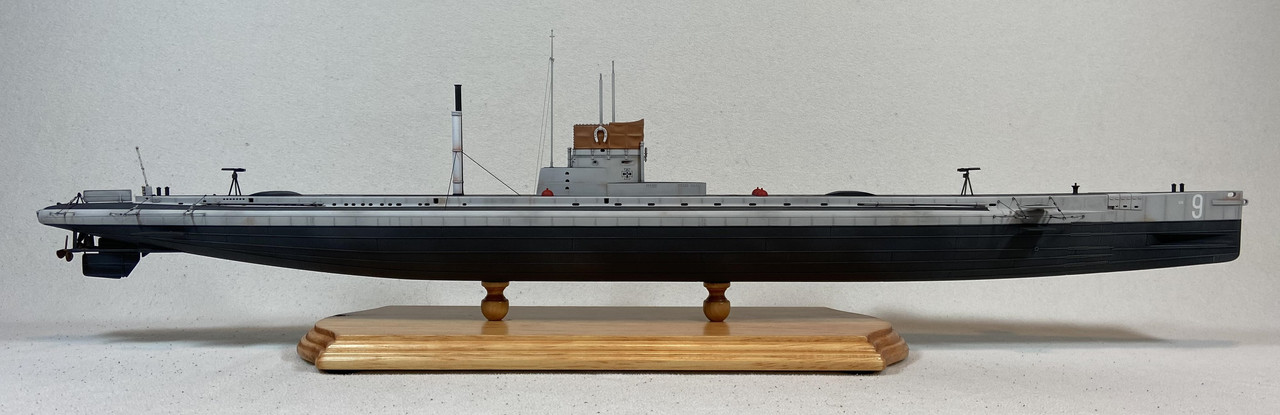
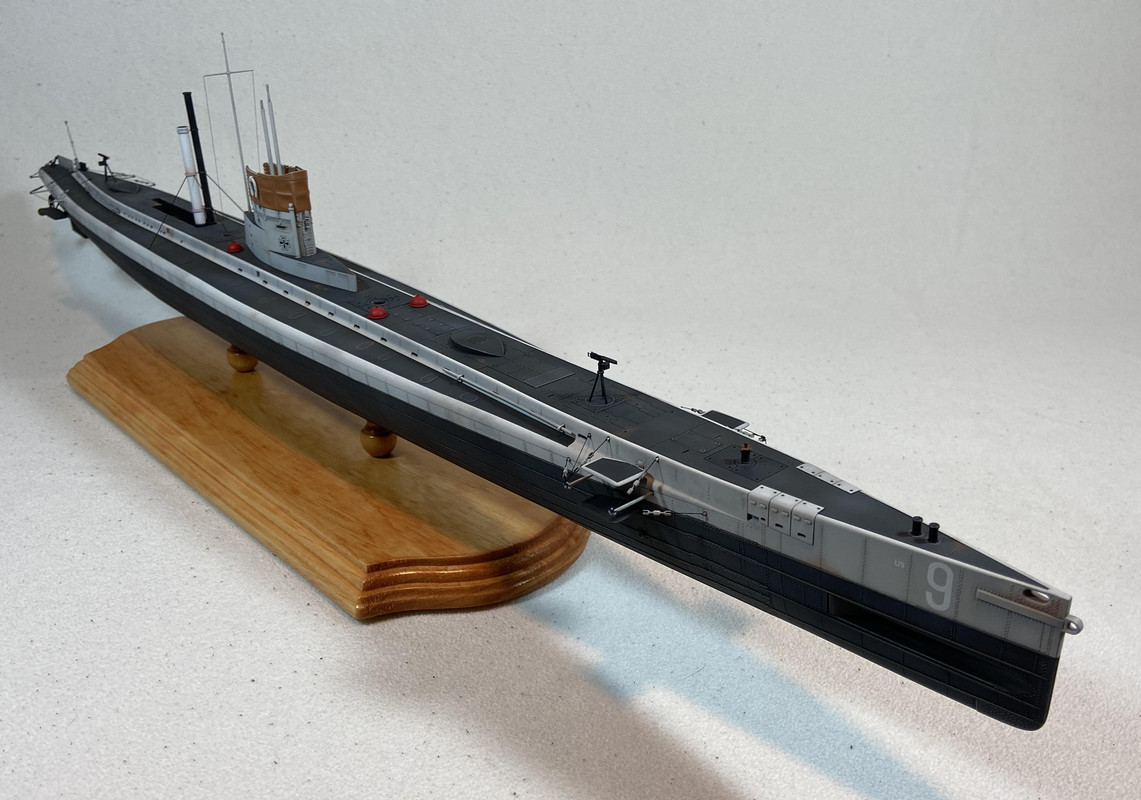
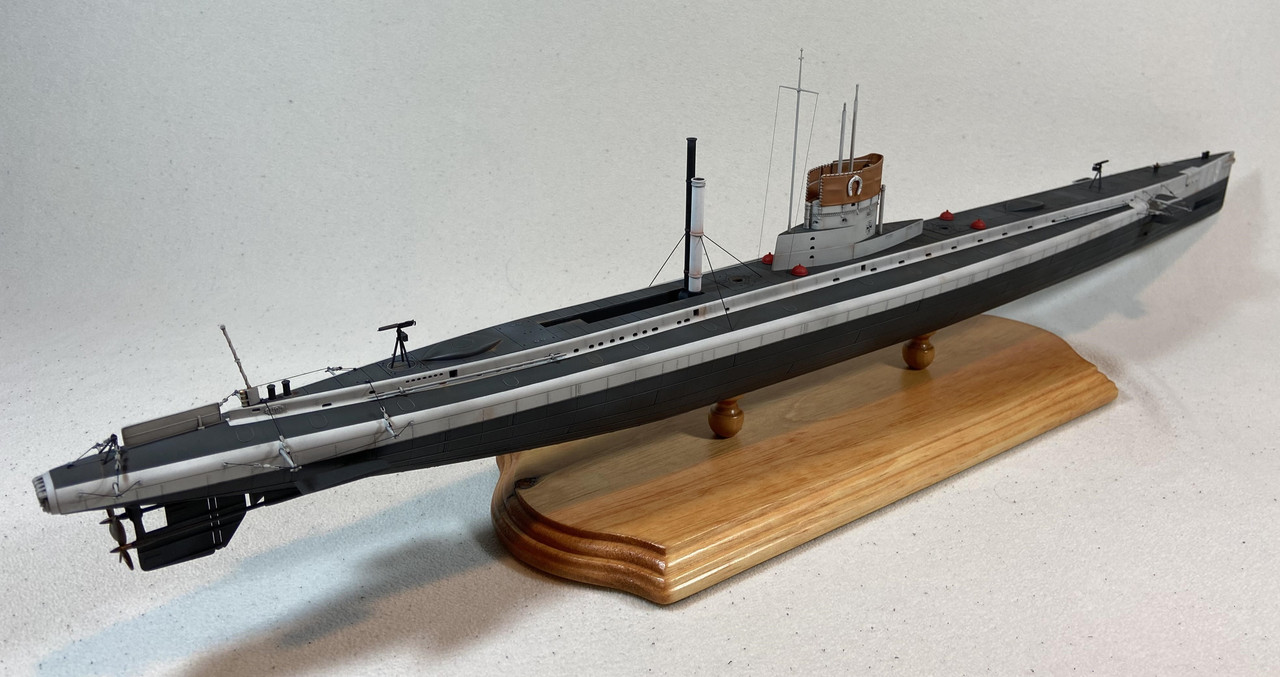
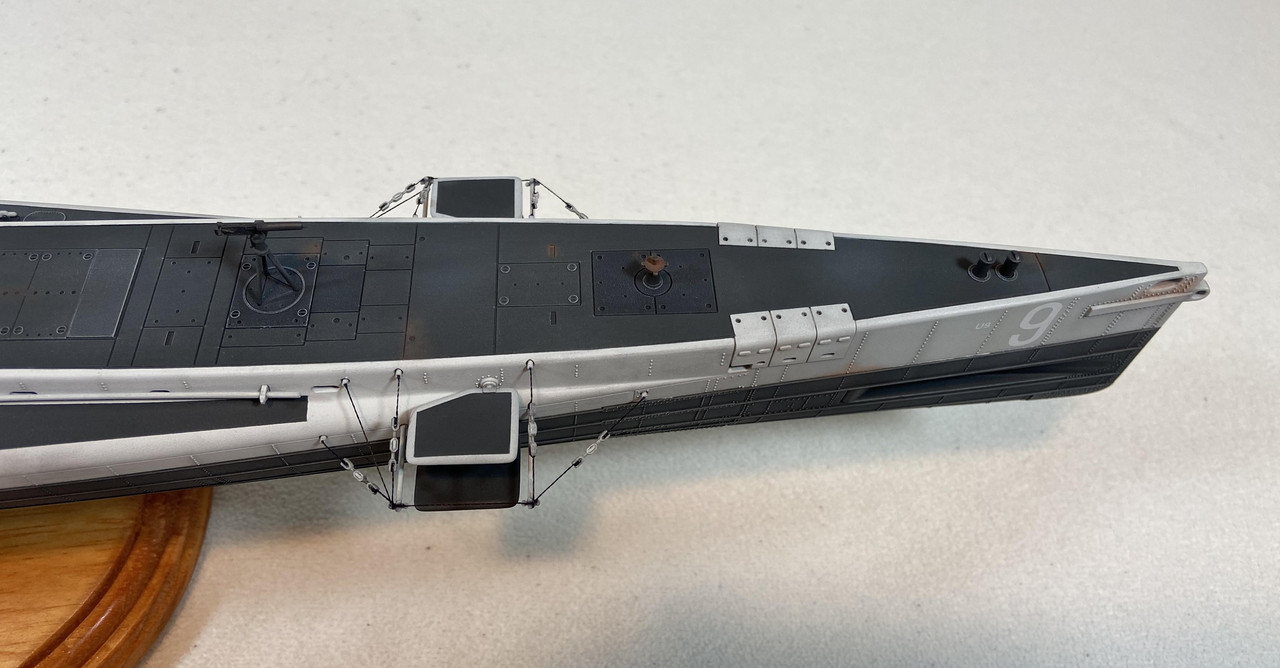
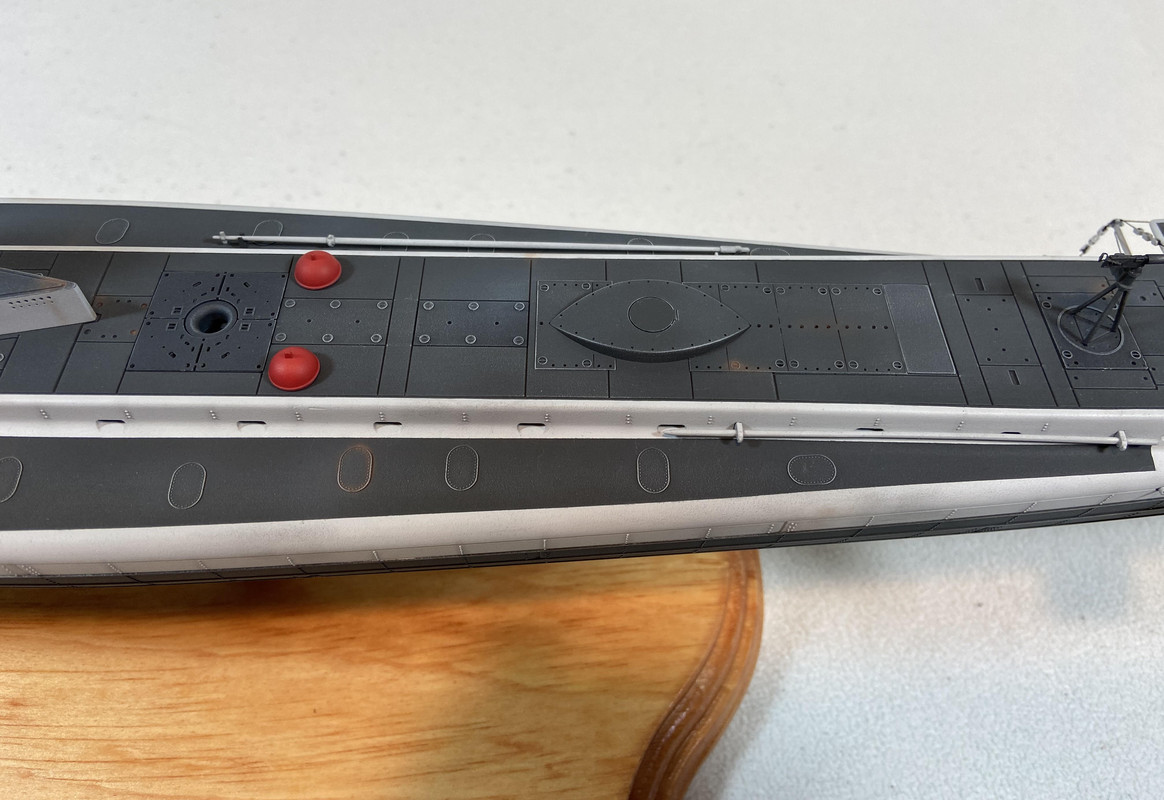
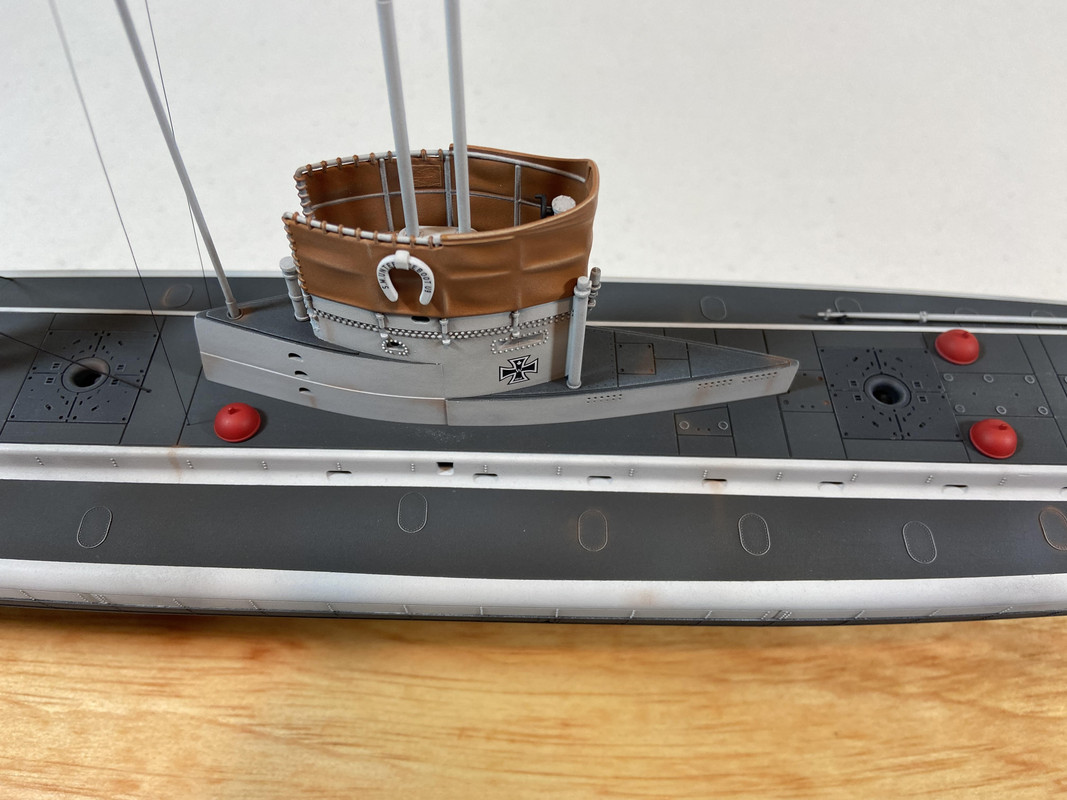
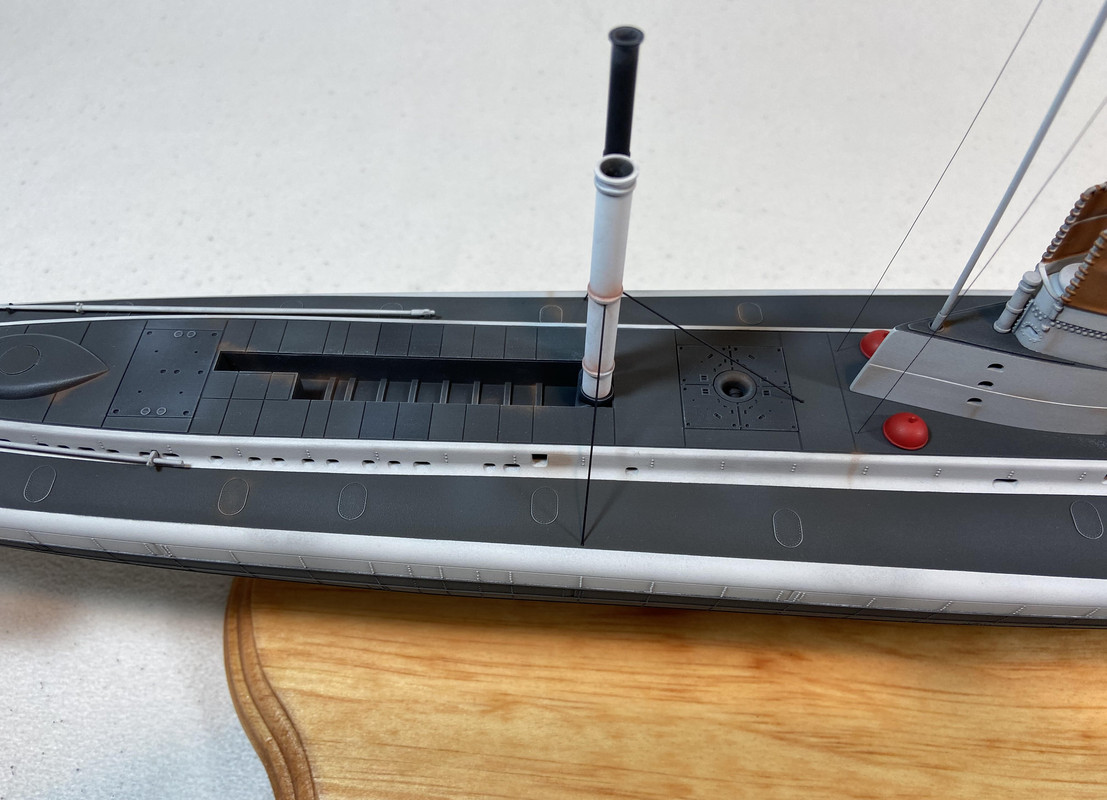
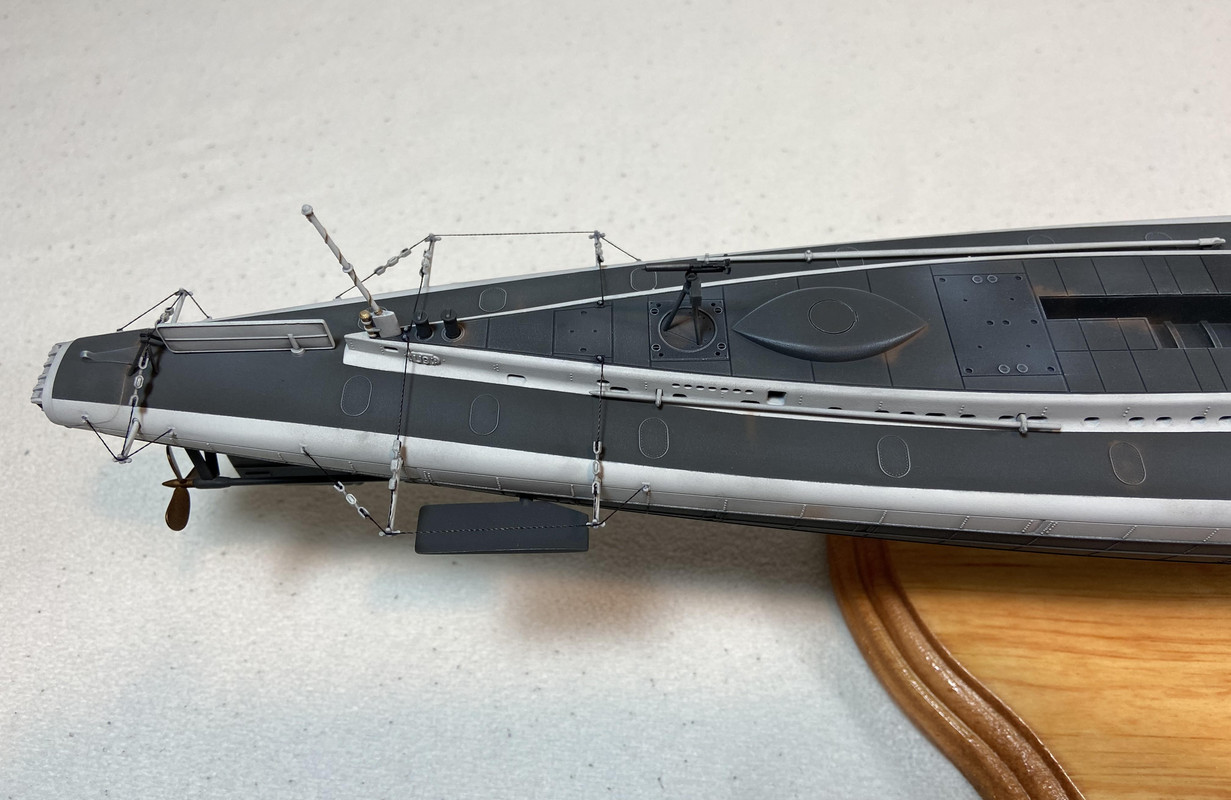
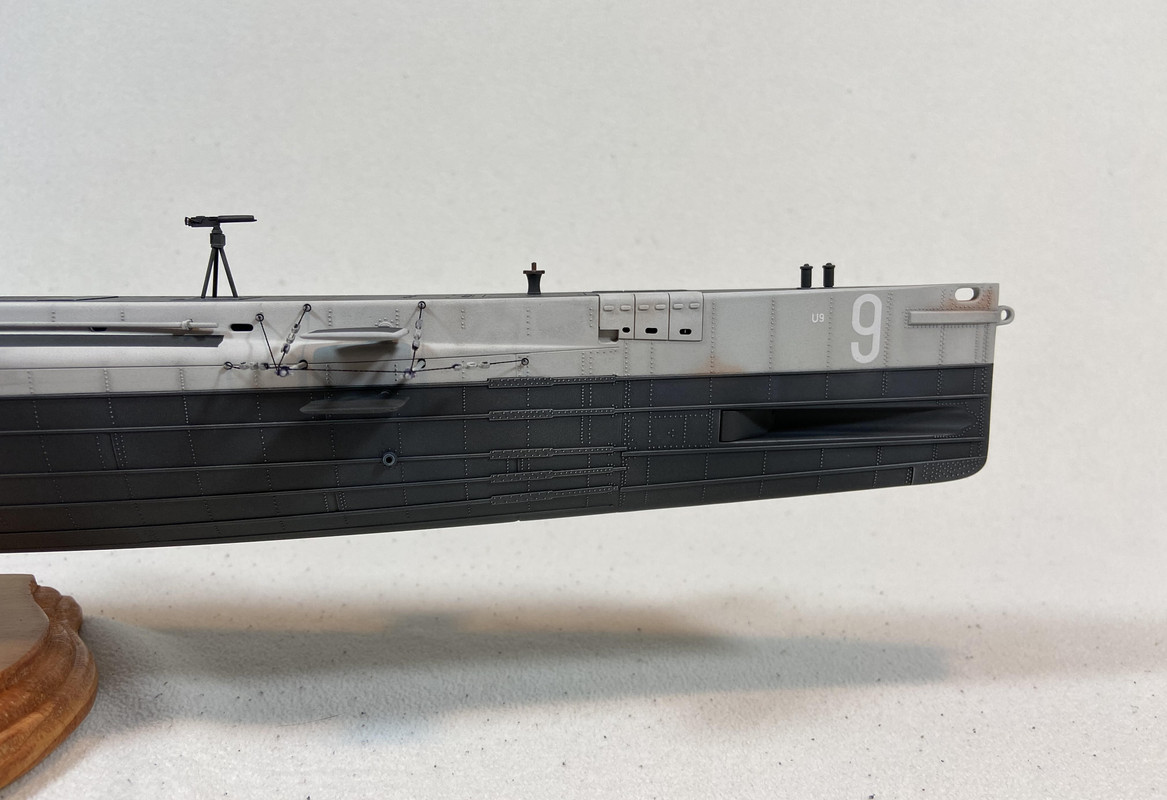
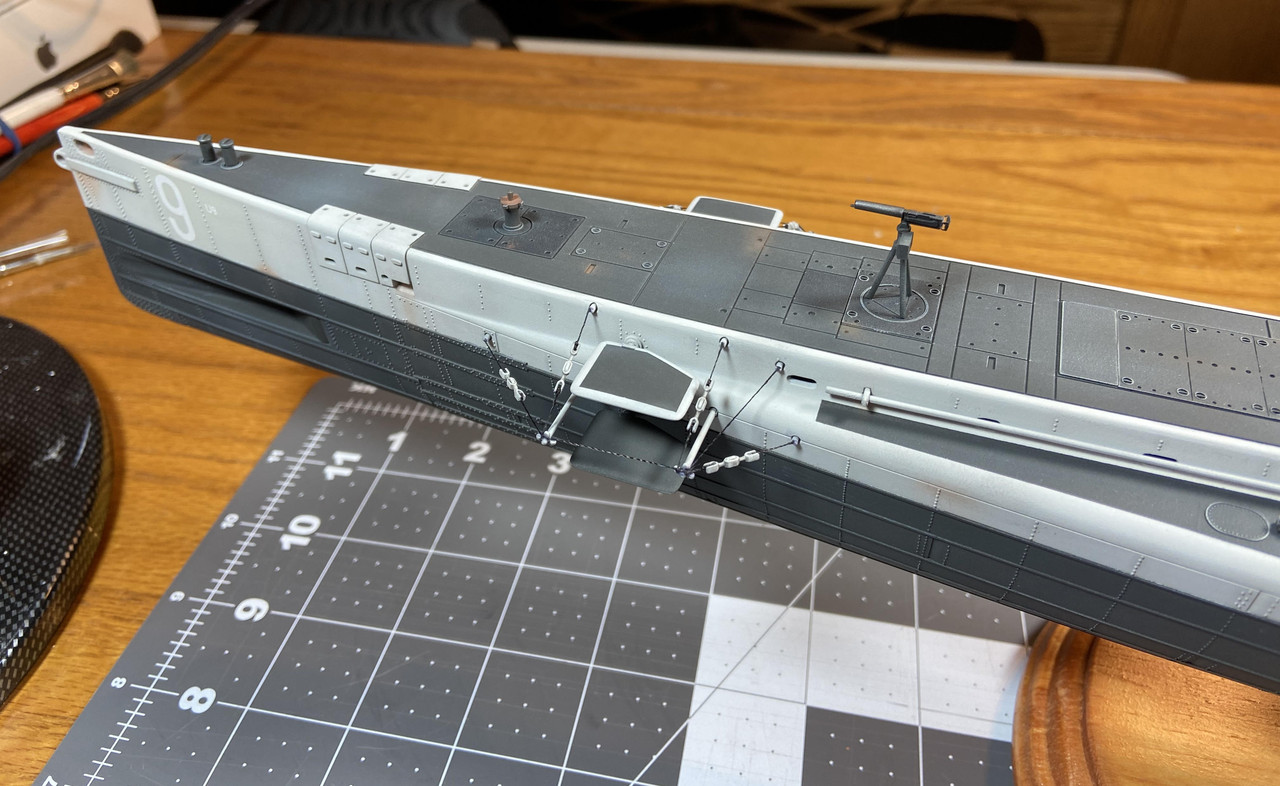
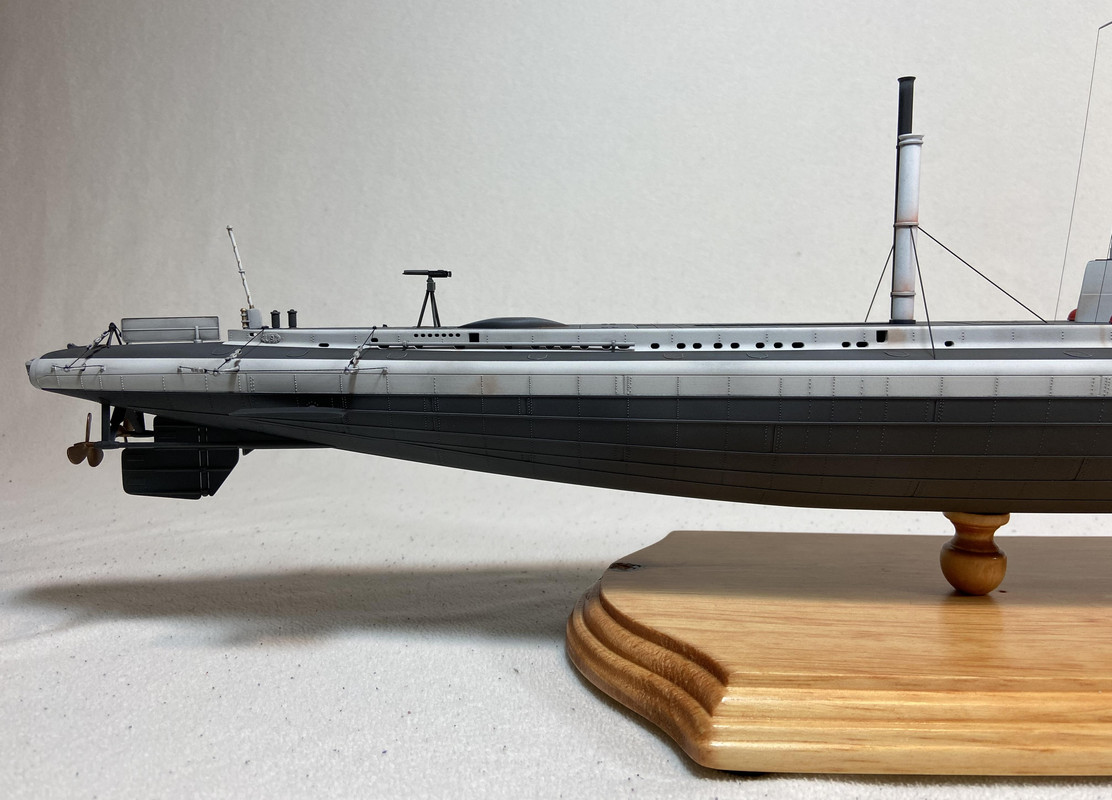
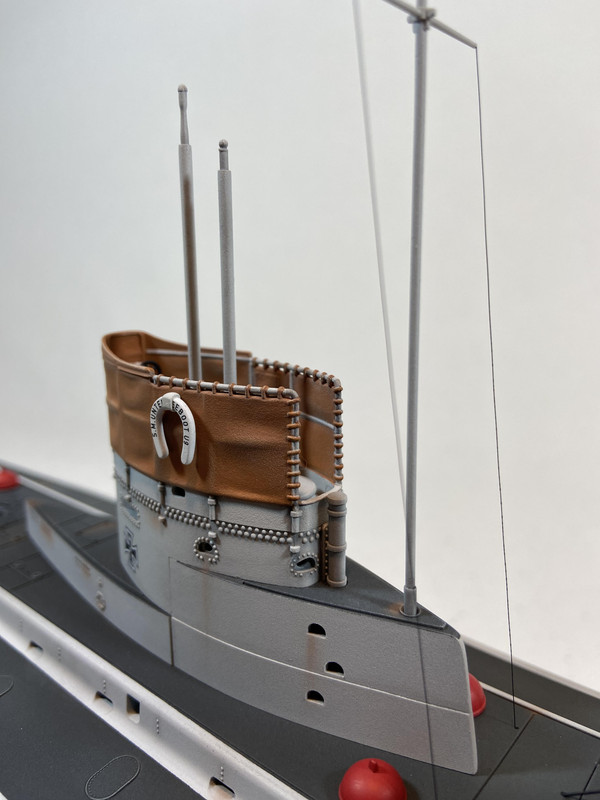
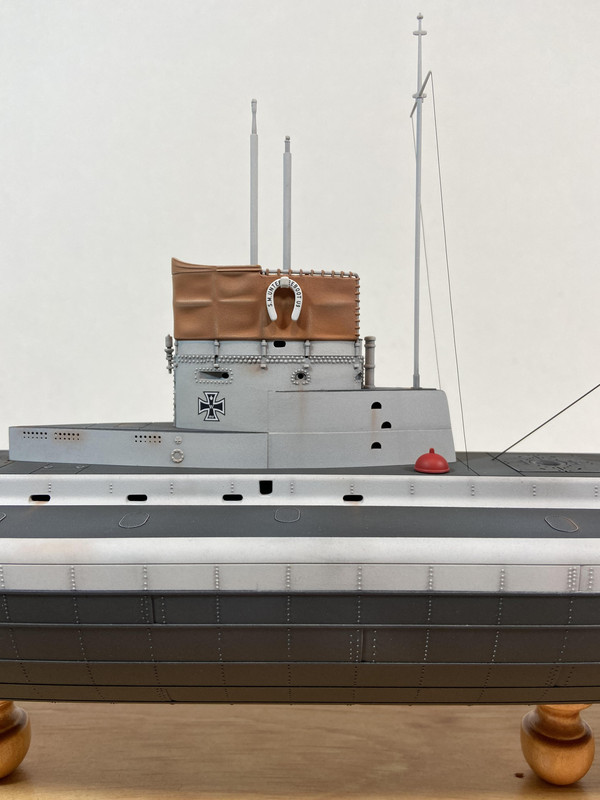
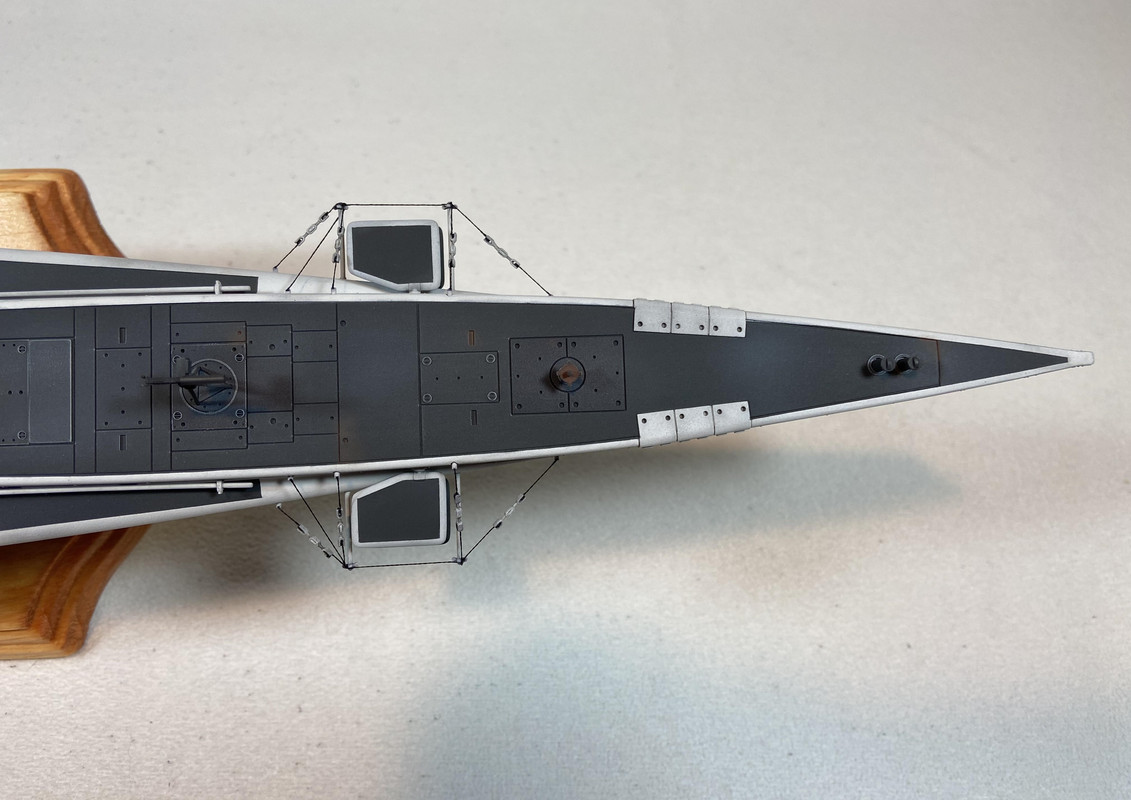
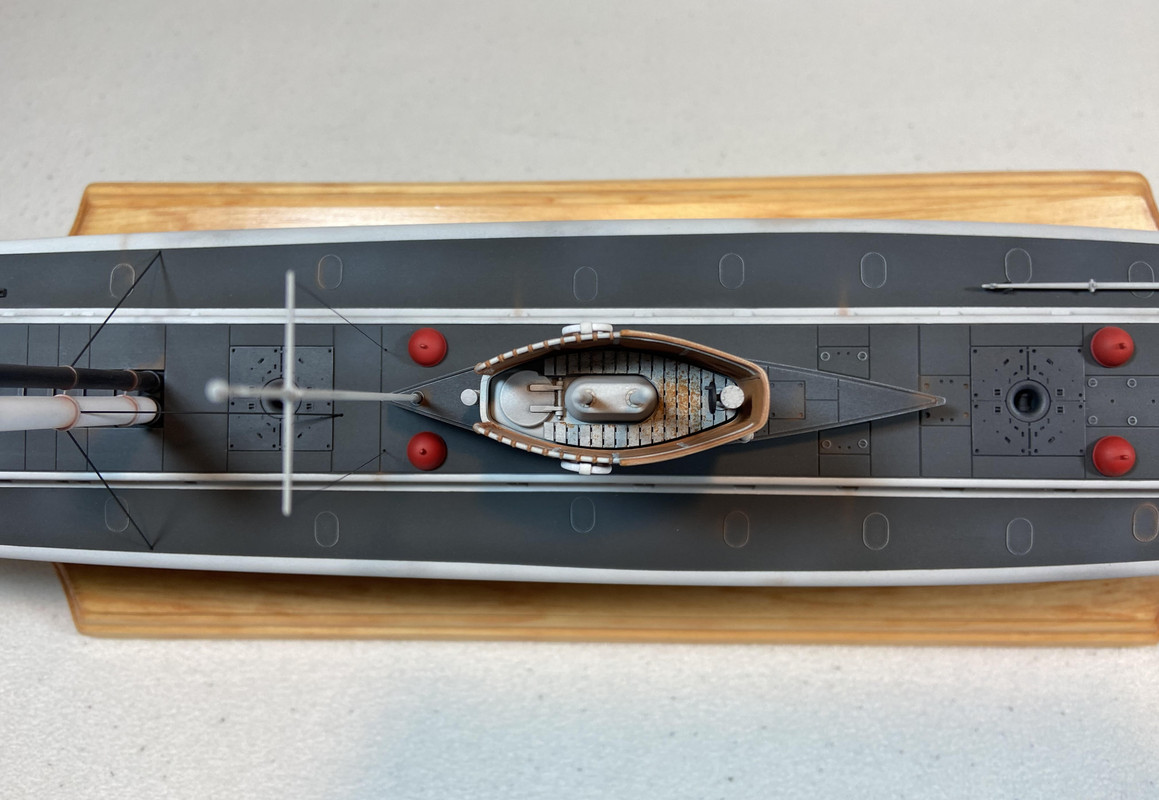
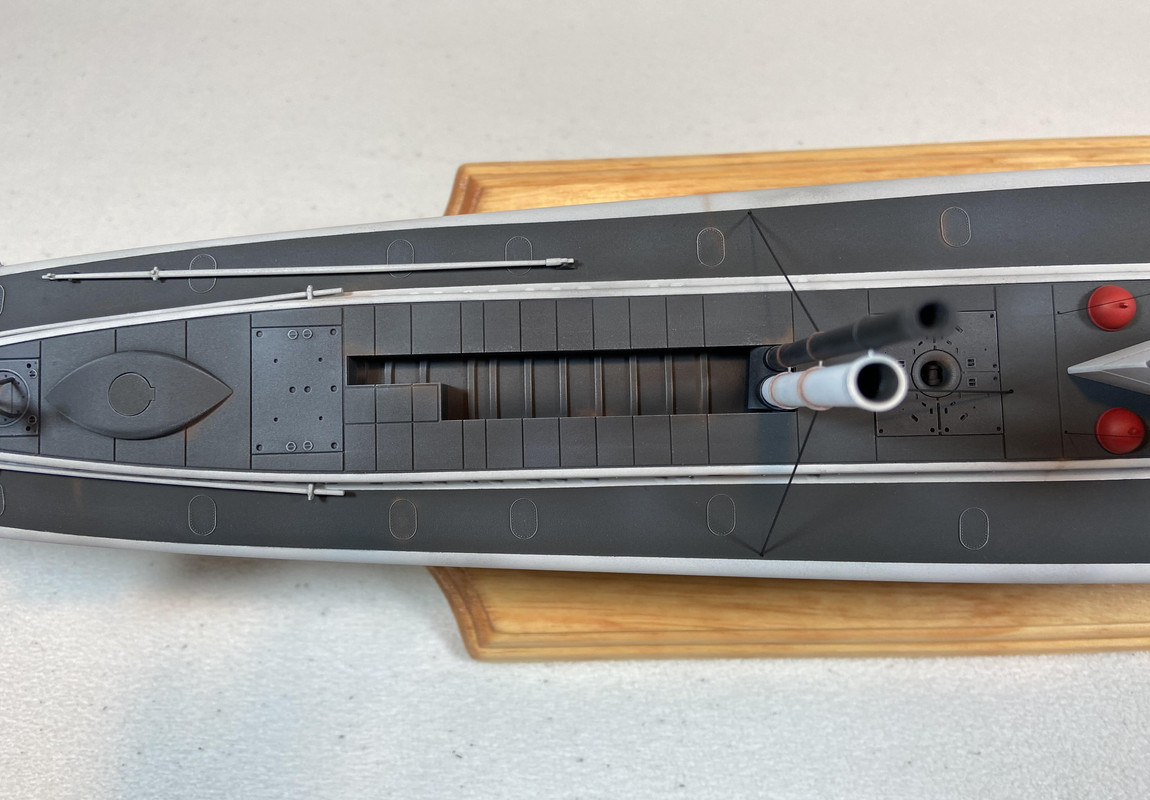
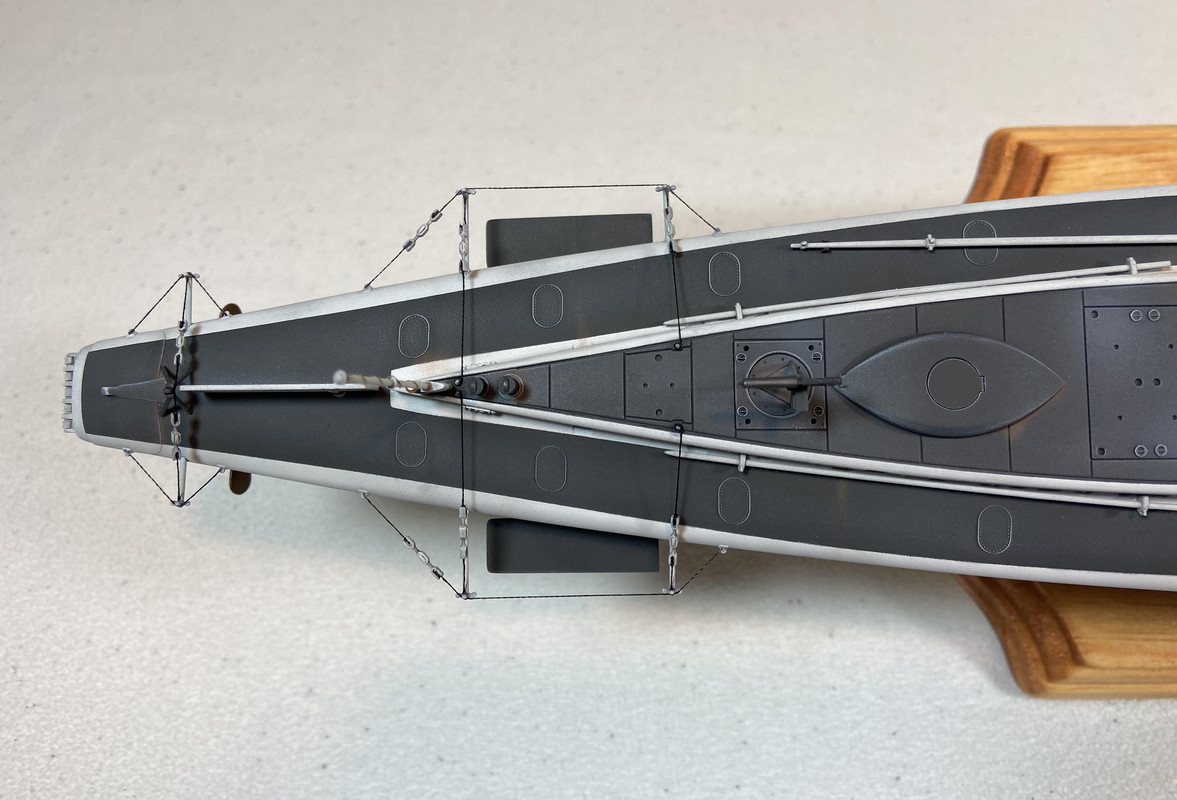
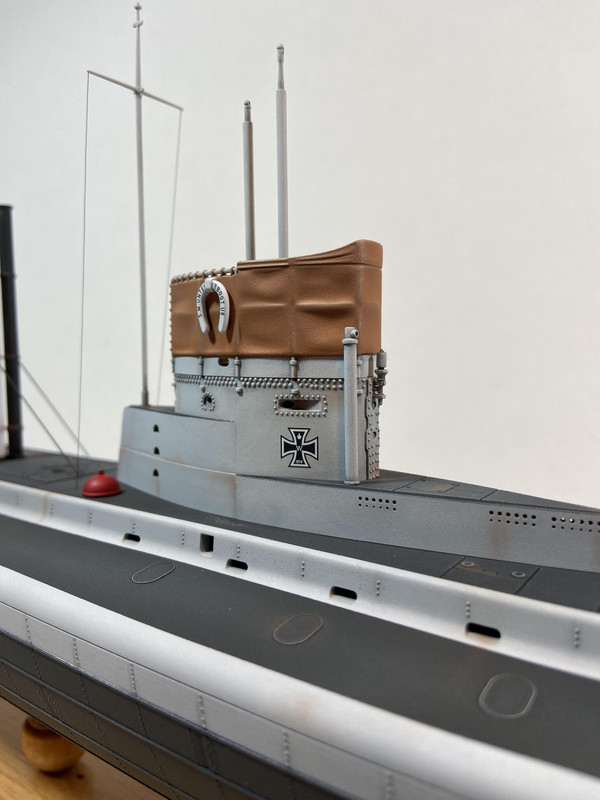
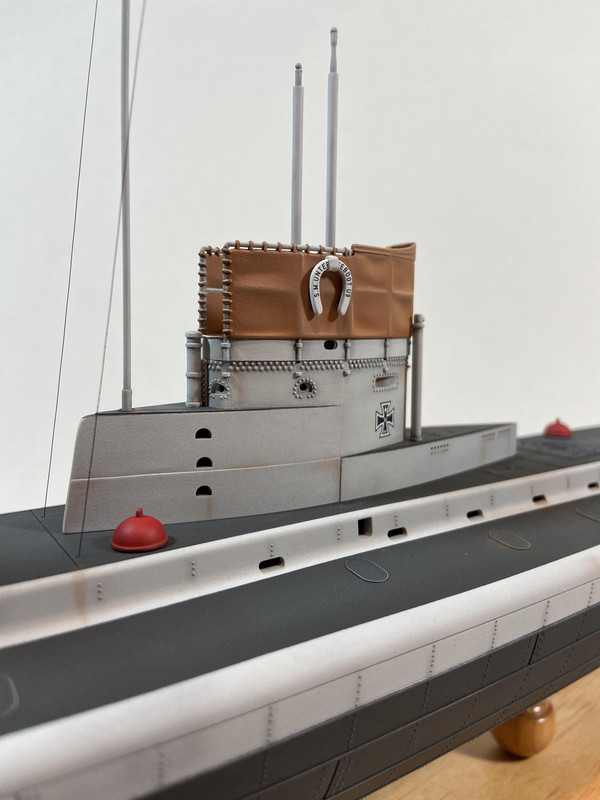
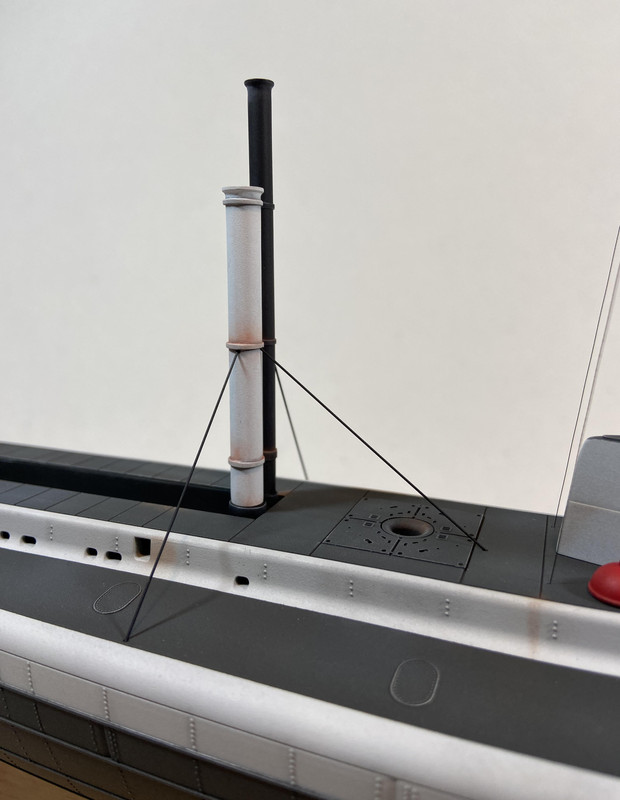
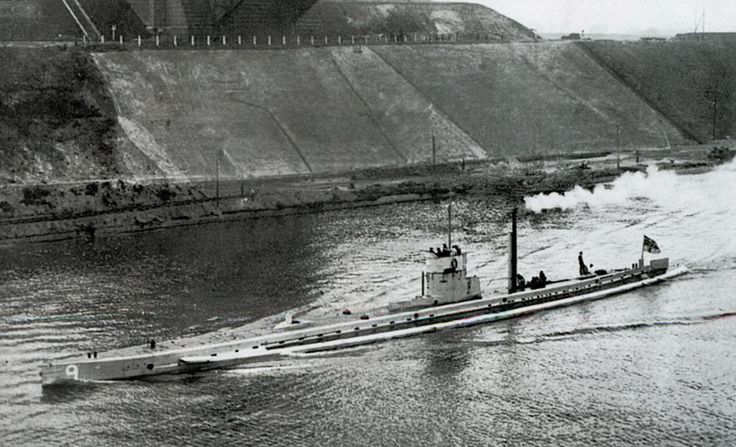
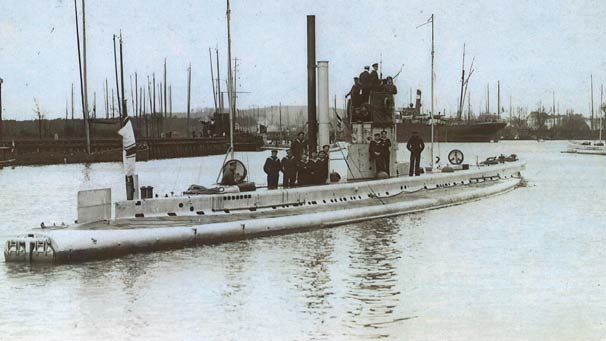
Below are photos of Das Werk’s 1/72 scale (31.375” length) S.M. U-9 German WW1 submarine built in 2023. For whatever reason, WWI German U-boats have always been an ignored subject matter by plastic kit manufacturers, which is strange since WWII German U-boat models are so popular. Thank you Das Werk Company for finally giving the modeling world the U-9 submarine, a very high quality, large injection plastic model kit. Das Werk was wise in choosing to reproduce the U-9, as it was one of the most famous U-boats from WW1. For my build I made a few minor kit modifications and used a photo-etch detail set purchased from RC Subs in the Czech Republic.
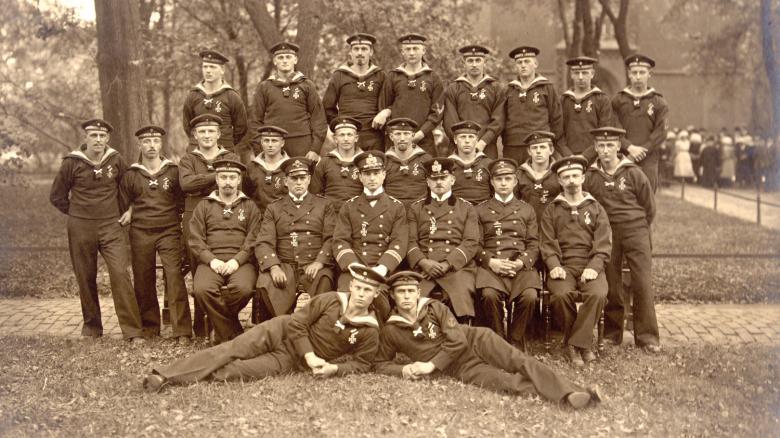
U-9 was ordered for construction in 1908 and commissioned in February 1910. It was the lead ship in a class of four submarines (U-9 to U-12). When U-9 and her sister ships entered service, they were superior in both combat potential and seaworthiness to any submarine in service at the time with any other navy. However, by 1914 this class was considered obsolete. When the “Great War” began in July 1914 the submarine was an unproven weapon, and seen at best as a supporting role player to battleships and heavy-cruisers. The world’s opinion of the submarine’s potential as an offensive weapon changed on September 22, 1914 when Germany’s S.M. (His Majesty’s) U-9 under the command of Kapitanleutnant Otto Weddigen, was able to single-handedly sink three British armored cruisers (Aboukir/Hogue/Cressy) in a little over an hour. This feat made U-9 and her crew national heroes overnight with the crew being awarded the Iron Cross Second Class and Weddigen awarded the Iron Cross First and Second Class. After famously sinking three British armored cruisers in September 1914, it went on to sink a British protected cruiser (Hawke) the following month and Weddigen was awarded the Pour le Merite (Blue Max). Between January 1915 and April 1916 (under a new captain) U-9 sank an additional 13 ships consisting of small fishing vessels and British steamers. After April 1916 it was withdrawn from front line duties and used for training. When the war ended in November 1918 all surviving U-boats (including U-9) were turned over to the Allied nations. U-9 was eventually broken up for scrape in Morecambe, England in 1919. Weddigen was given command of a more modern U-boat (U-29) on February 1915. U-29 was lost with all hands-on March 18, 1915 after being rammed and cut in two by a British battleship (Dreadnought) while conducting a surfacing attack. U-9 was the only U-boat during the war to be awarded the Iron Cross by Kaiser Wilhelm II. The last few photos are of the real U-9, the captain and the crew. I hope you enjoy the photos.
Phillip1