Aug 18, 2020.
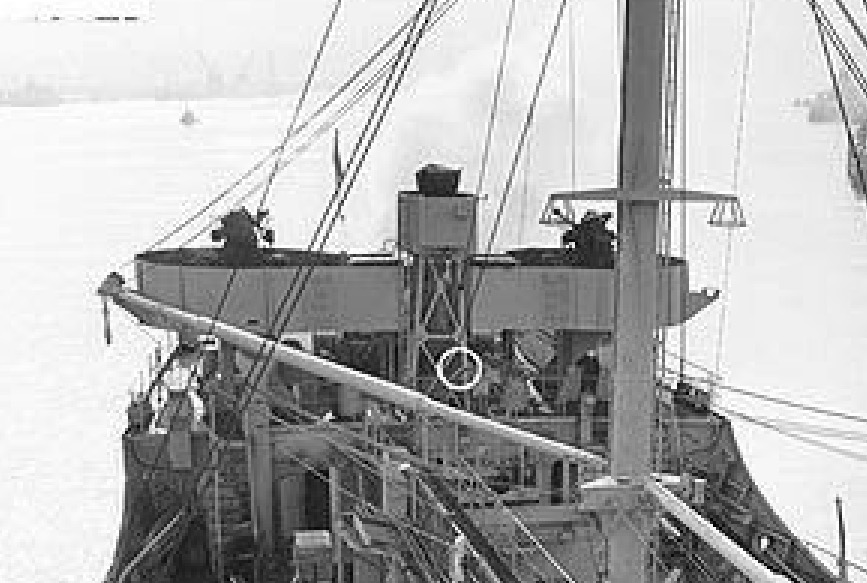
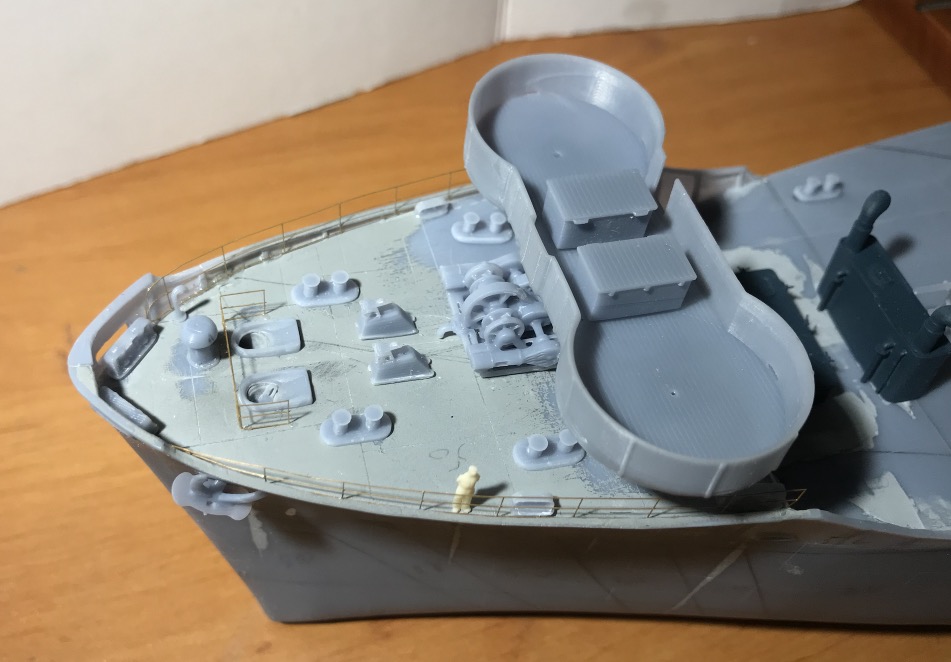
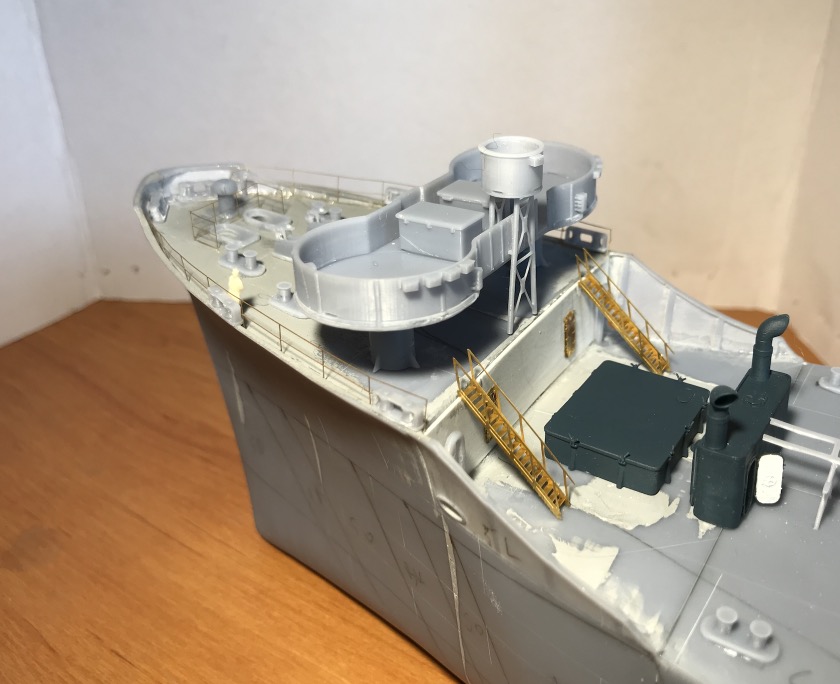
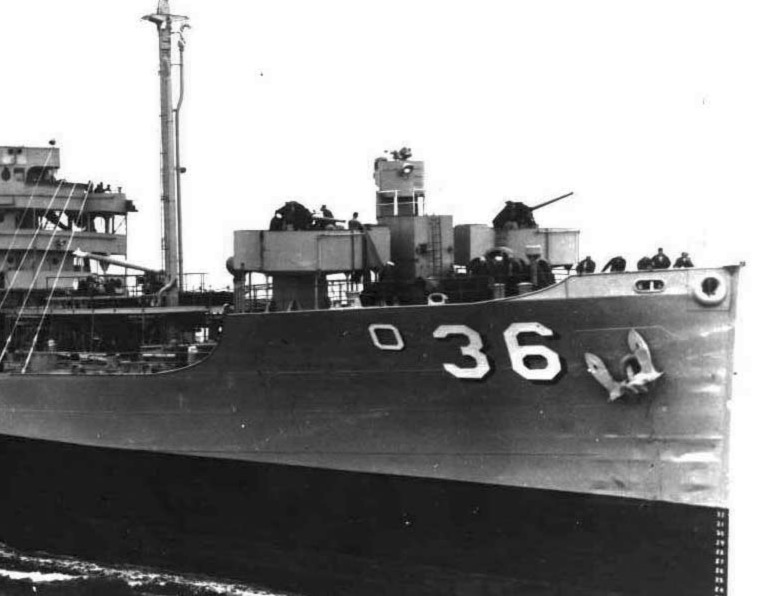
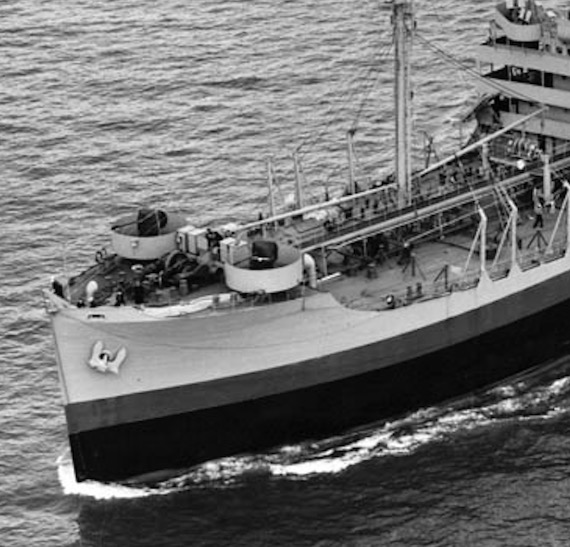
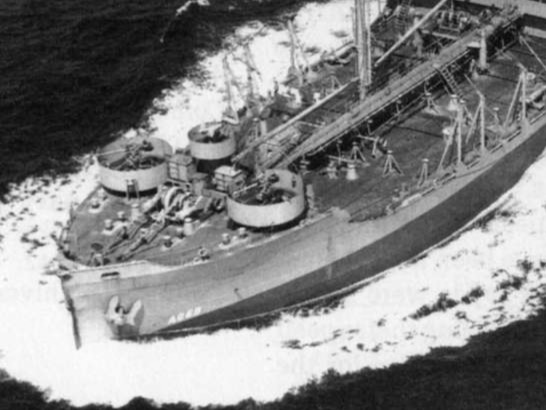
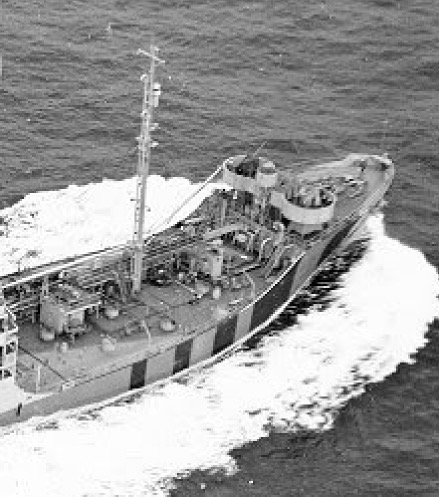
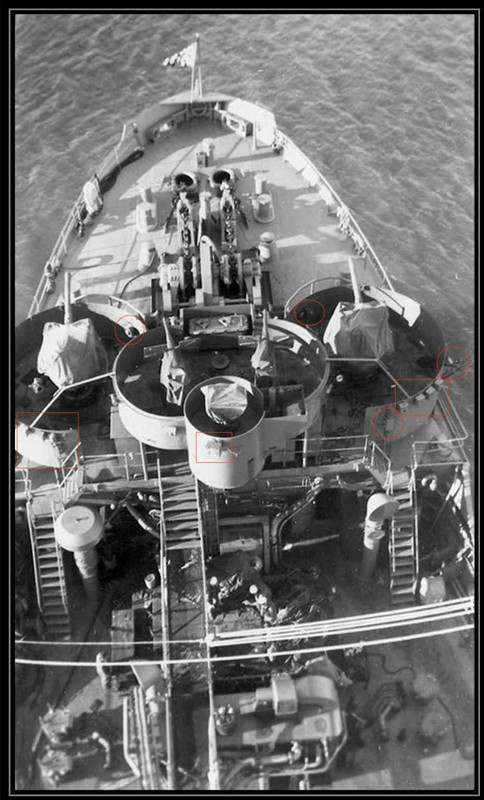
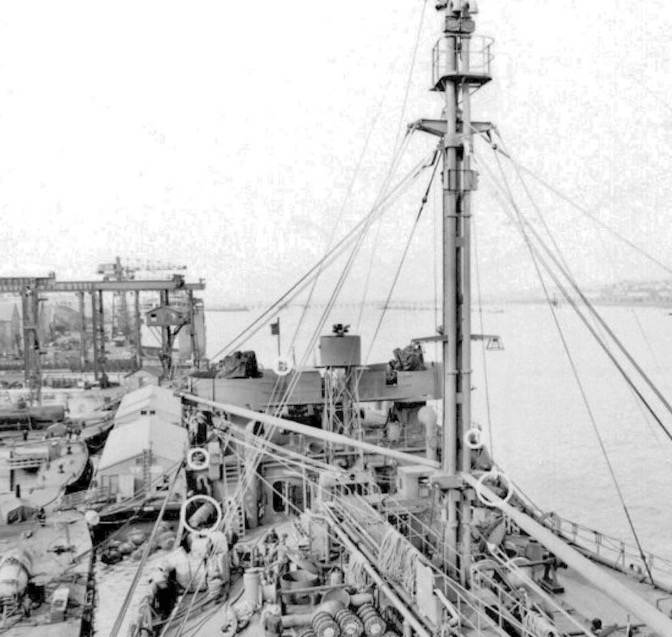
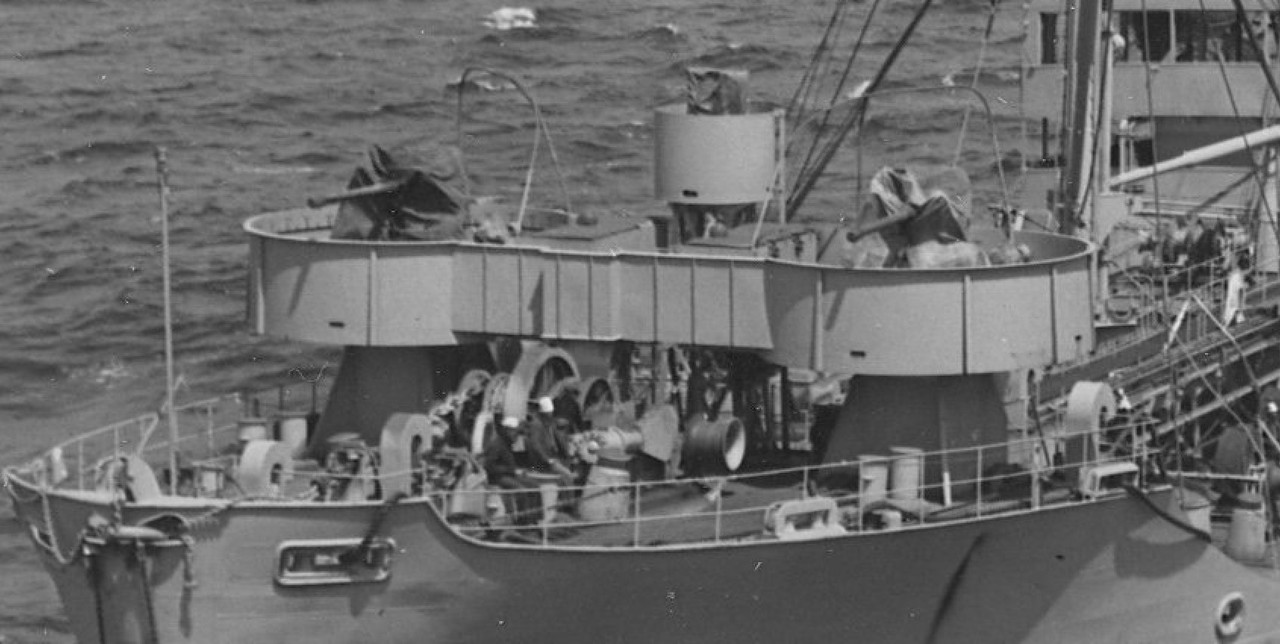
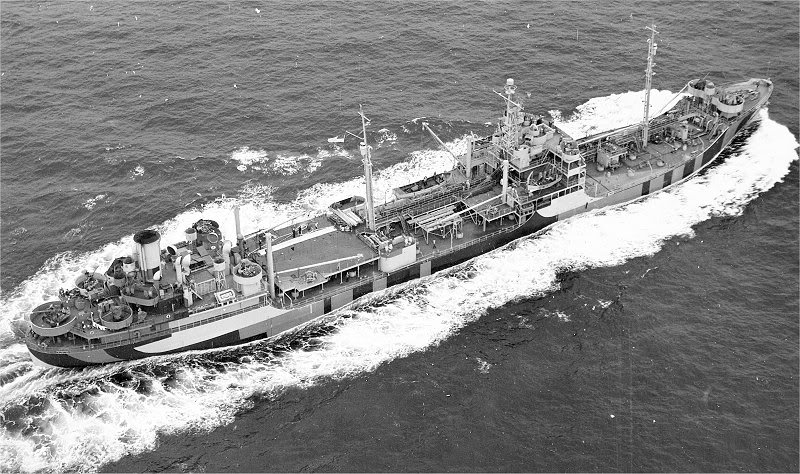
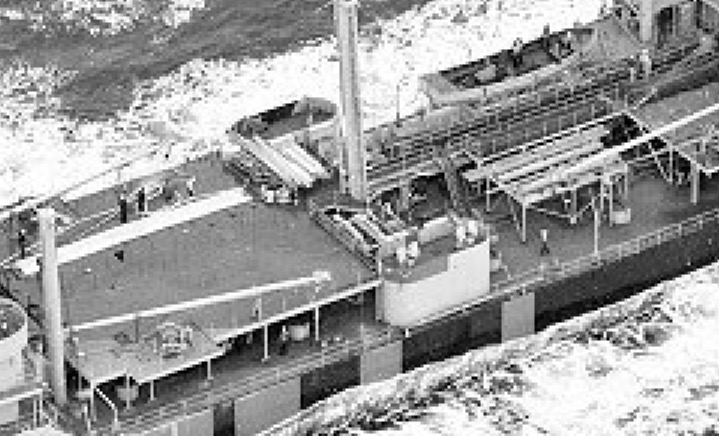
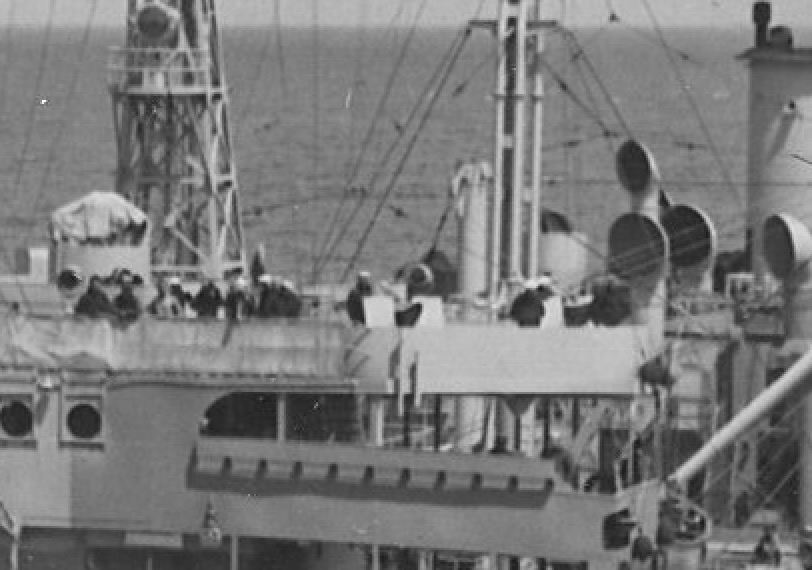
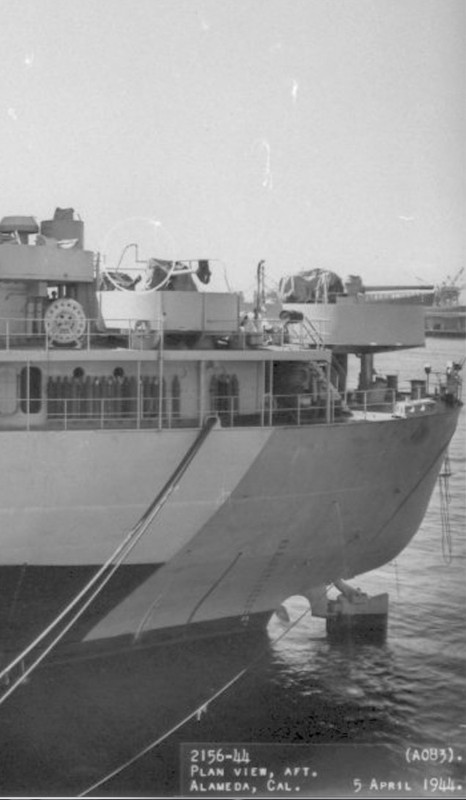
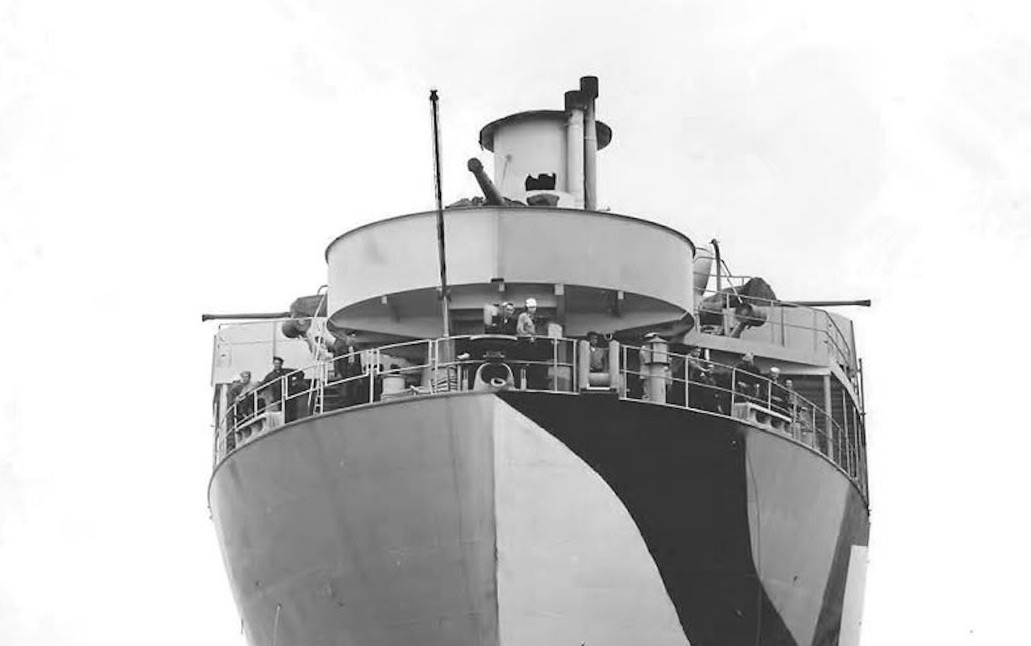
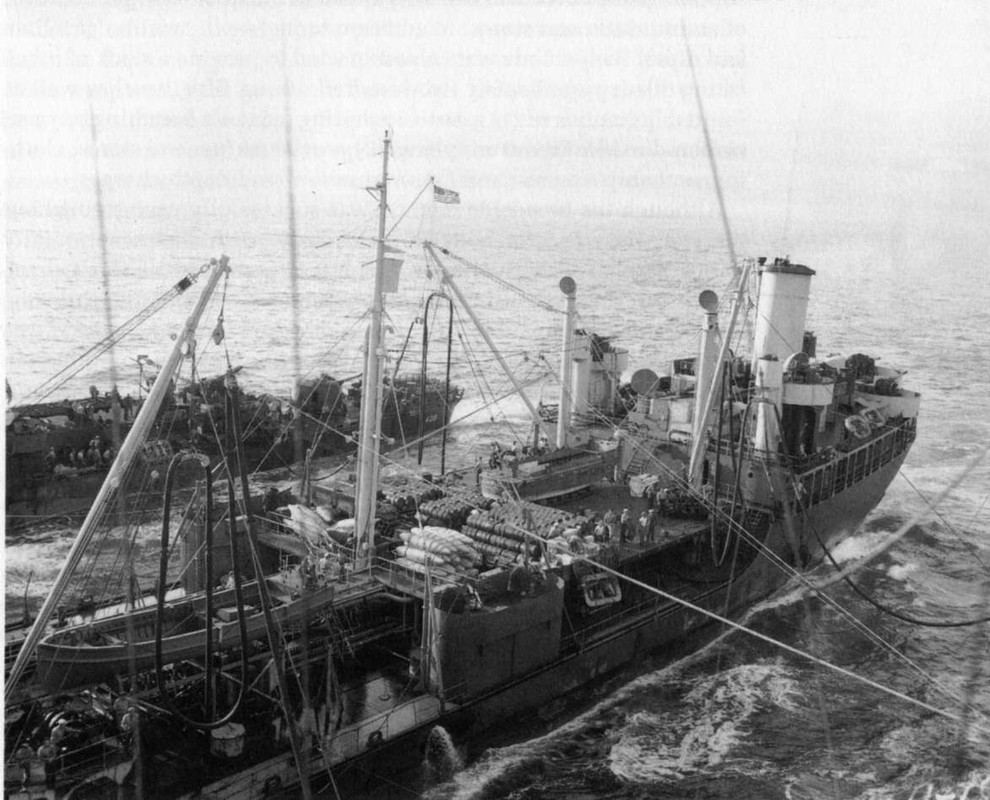
A few days ago I came across a photo I liked, showing a Higgins LCVP on the rear platform of a T2. The idea came to me to represent one of them. But apparently I didn't see any 1/200 to mount, too small.
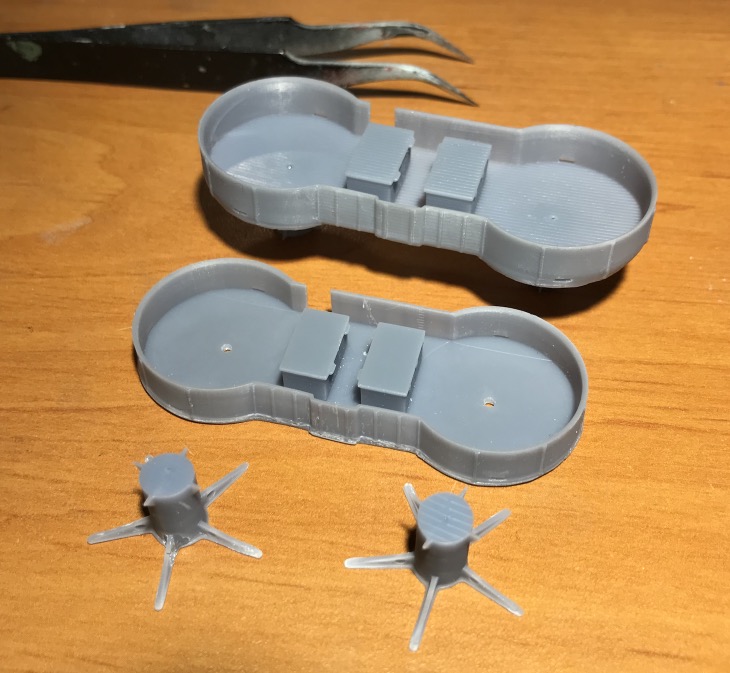
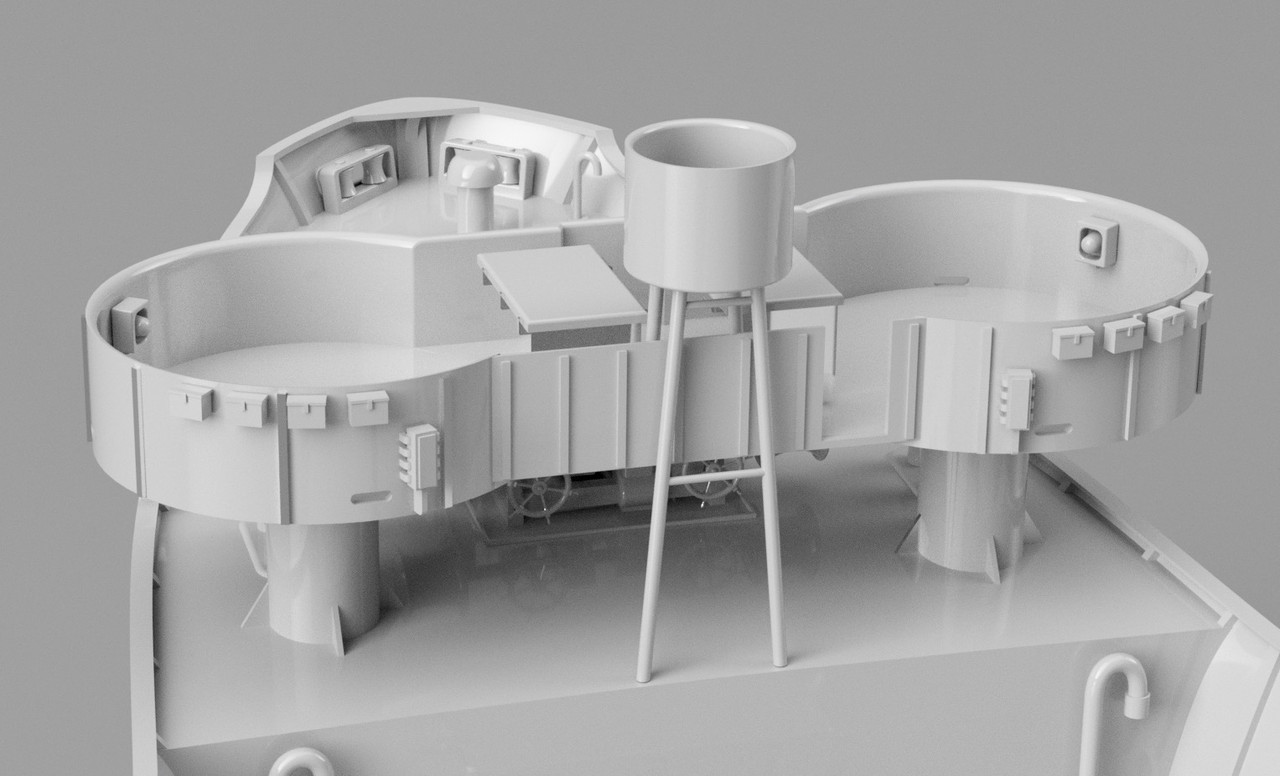
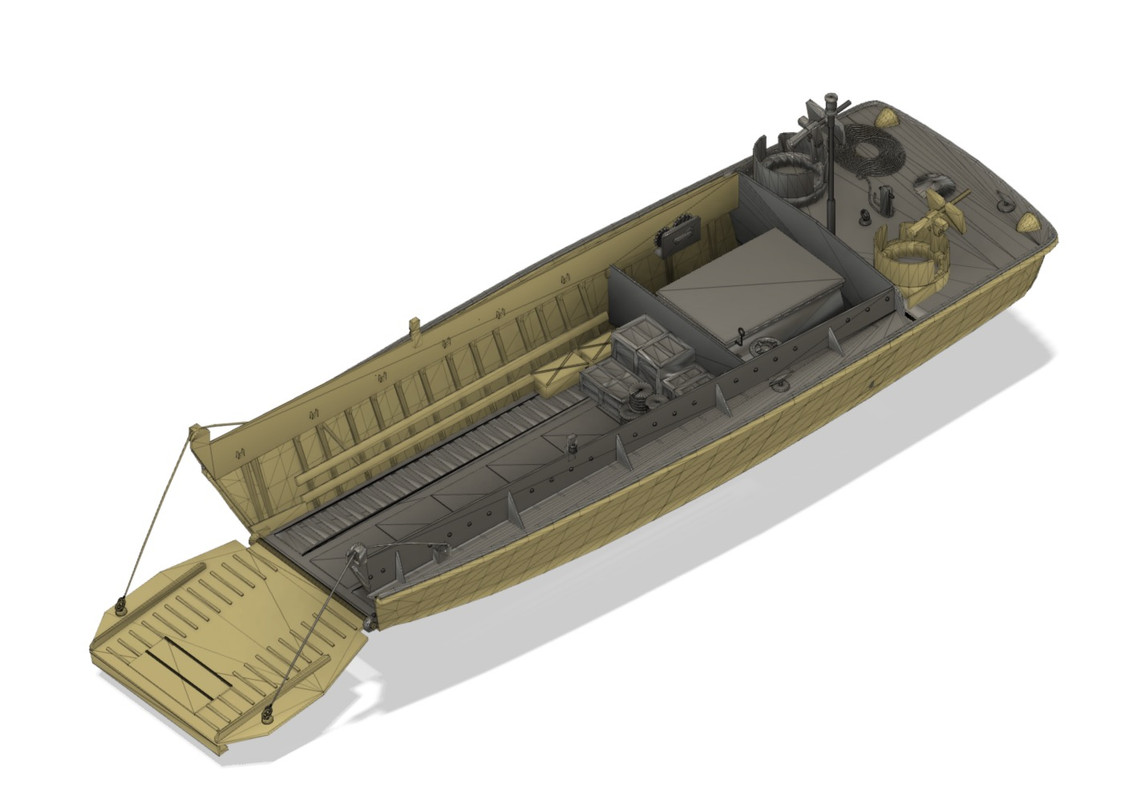
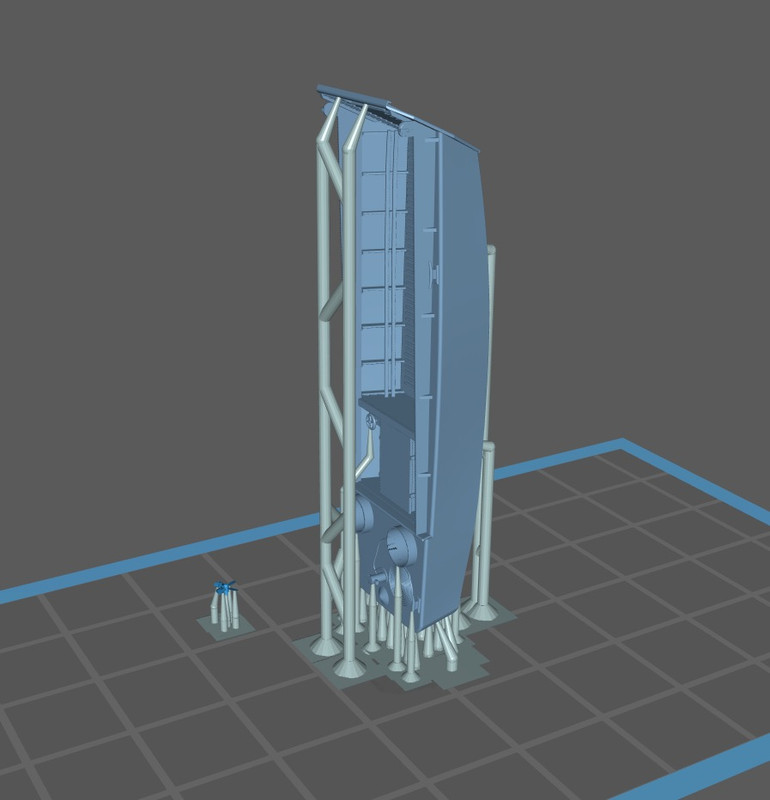
So I found a free 3D model on the internet, but as often when scaling down 1, some walls become too thin to be printed and this is not modifiable. Moreover the hull was too round and not angular enough, we couldn't see the bilges. Bilges that were to make the already very simple construction much easier.
I was inspired by it for some details.
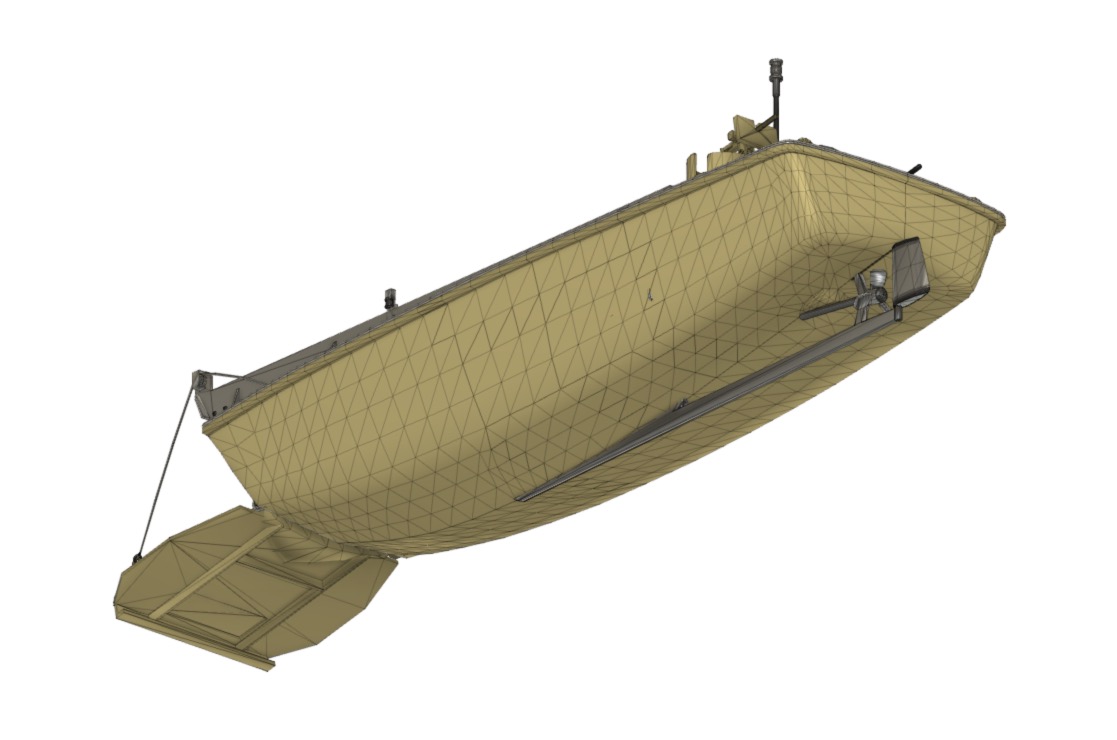
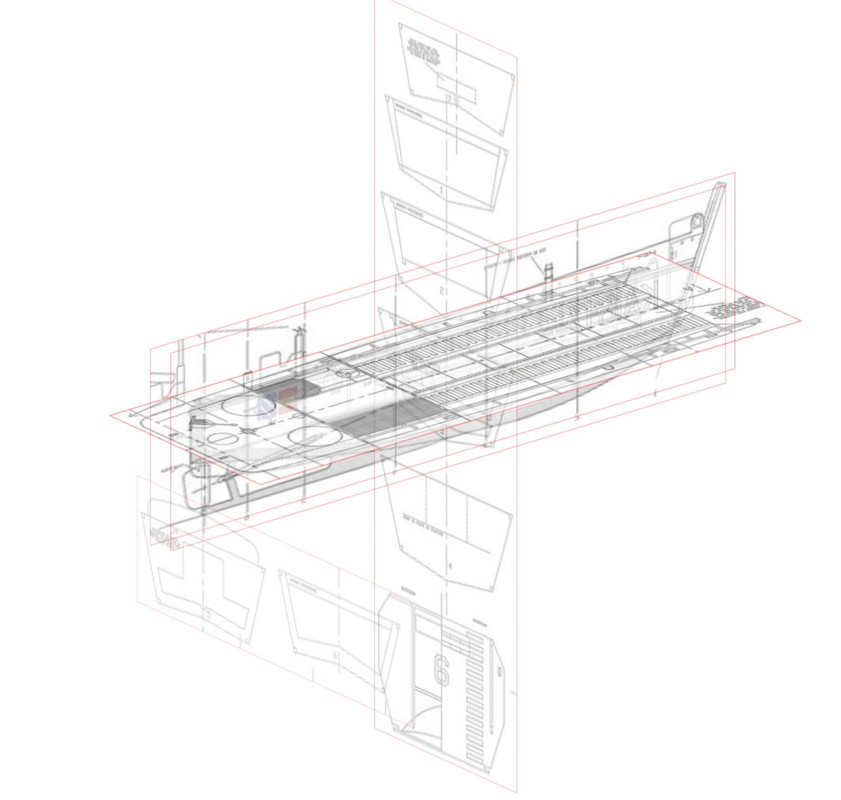
I came up with a construction plan yesterday morning that works just fine for me.

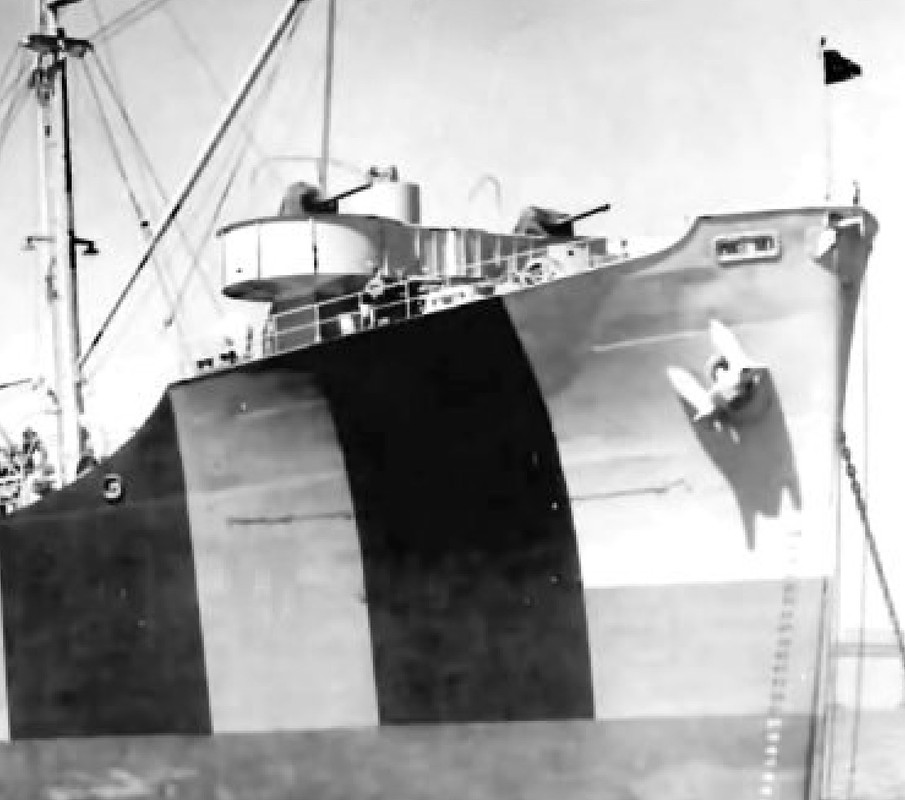
The Pamancet participated in the Iwo Jima campaign, so the presence on board a LCVP is credible.
I also found this photo taken on the beach of Iwo Jima during the landing. I'd put this registration number PA 196-5 on it, I like the idea.
PA196 is the number of the Victory Ship USS Logan APA-196:
"For Iwo Jima the ship was assigned to the 23rd Marines of the 4th Marine Division. She landed Hq Company of the 133rd NCB on yellow beach D Day for Shore Party duty. Later, on 21 February, at 0445 hours".
https://en.wikipedia.org/wiki/USS_Logan_(APA-196)
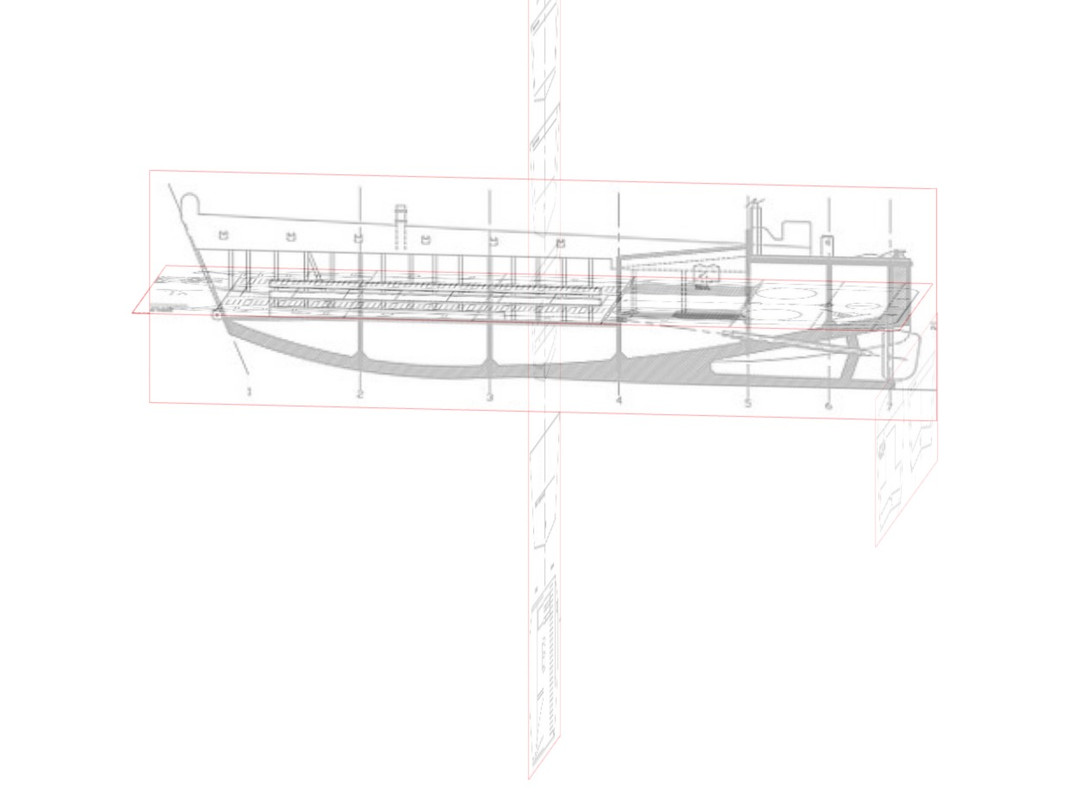
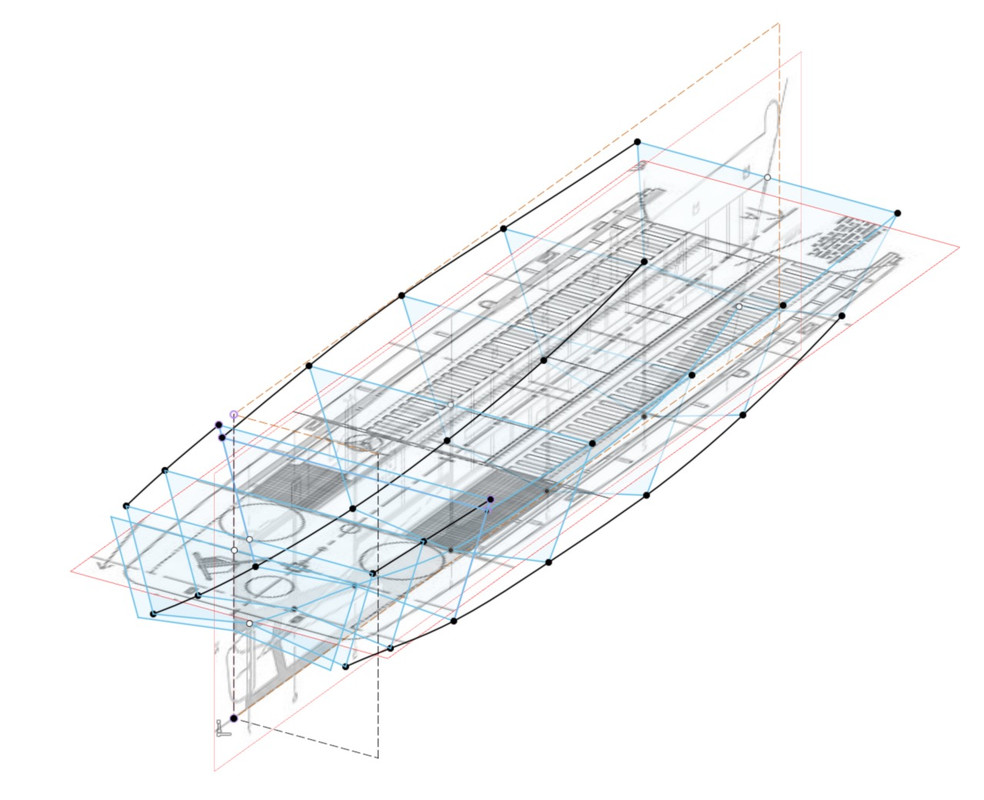
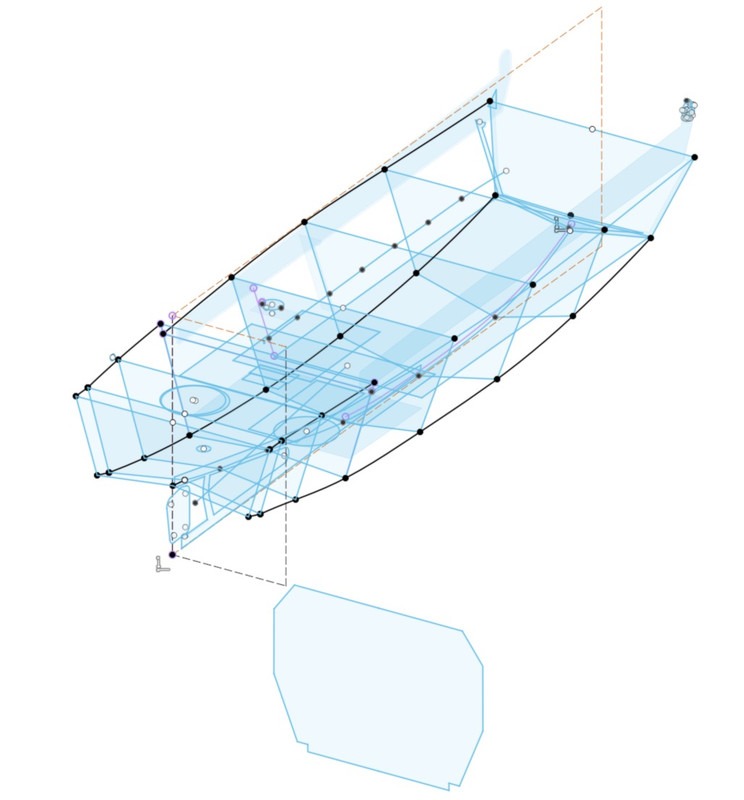
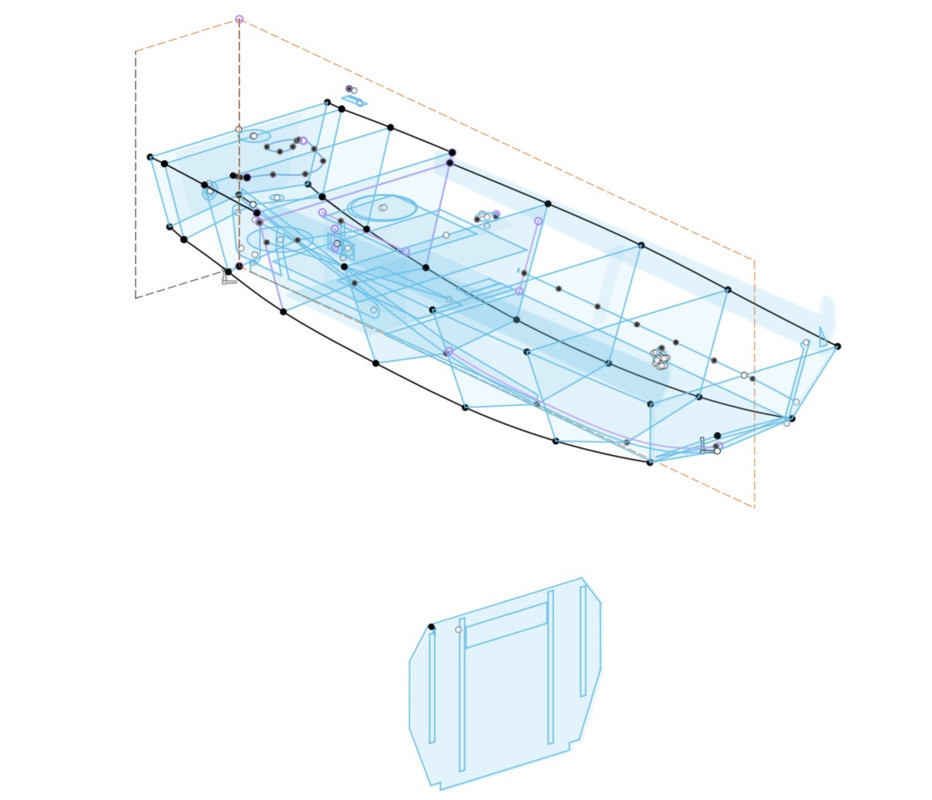
The drawing took me all day, I'm going faster now, and I know better the pitfalls to avoid when designing.
I first broke down the "paper" plan in the program into a canvas.
Then I started to create the sketches of the couples, etc...
I still have a few details to add, and it will be printed tomorrow probably.
https://i.postimg.cc/k4DkwkZq/Screensho ... 10-502.jpg
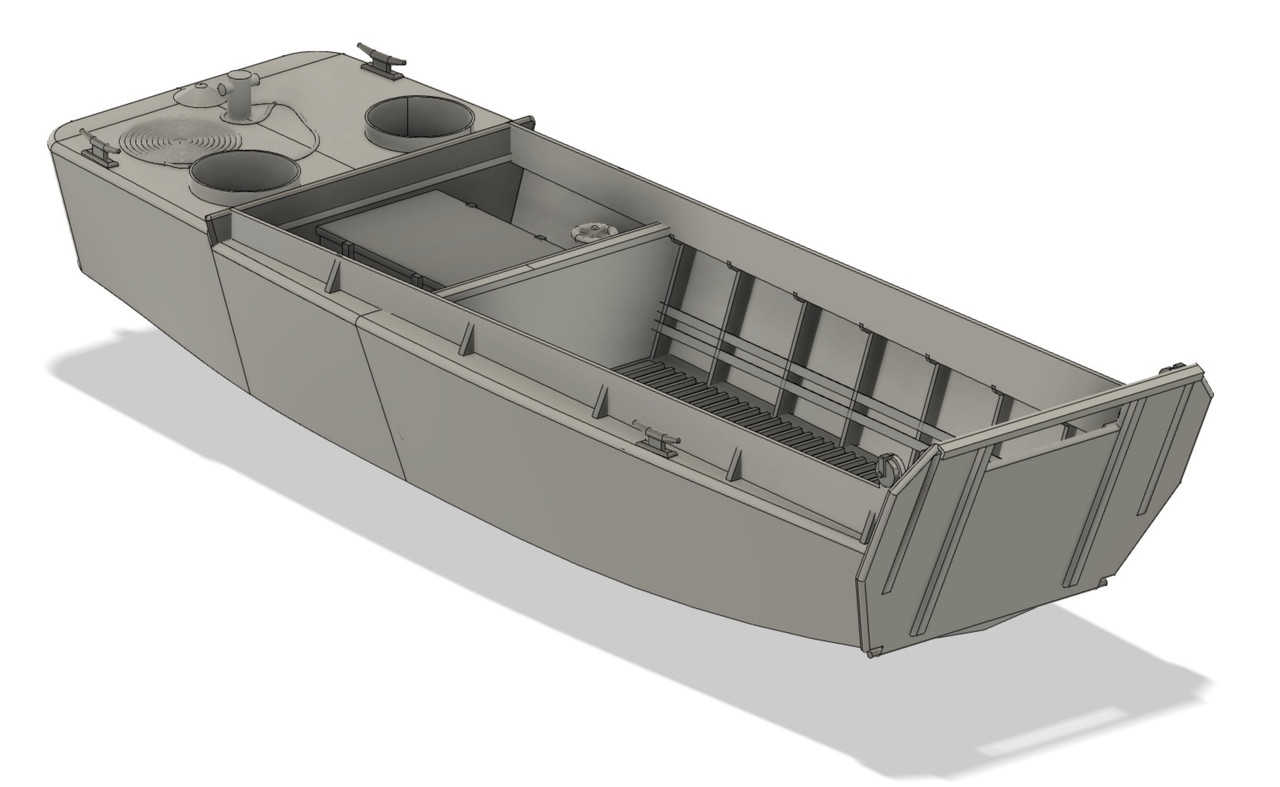
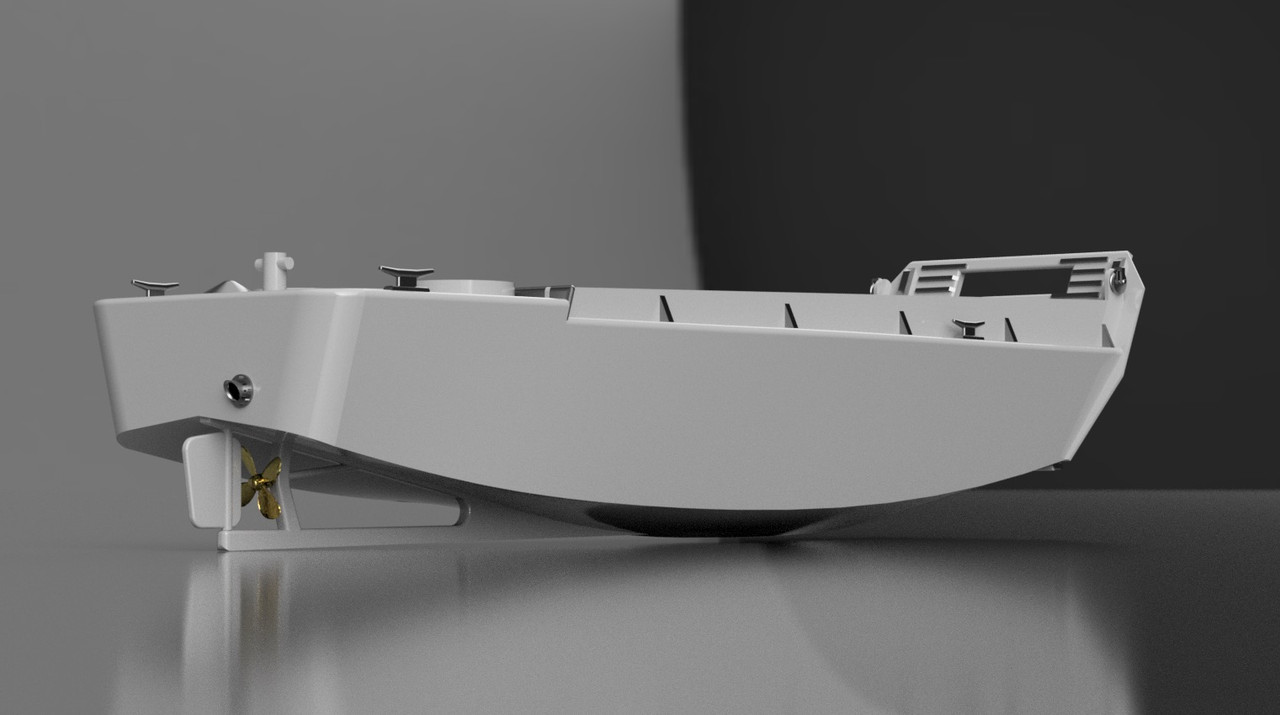
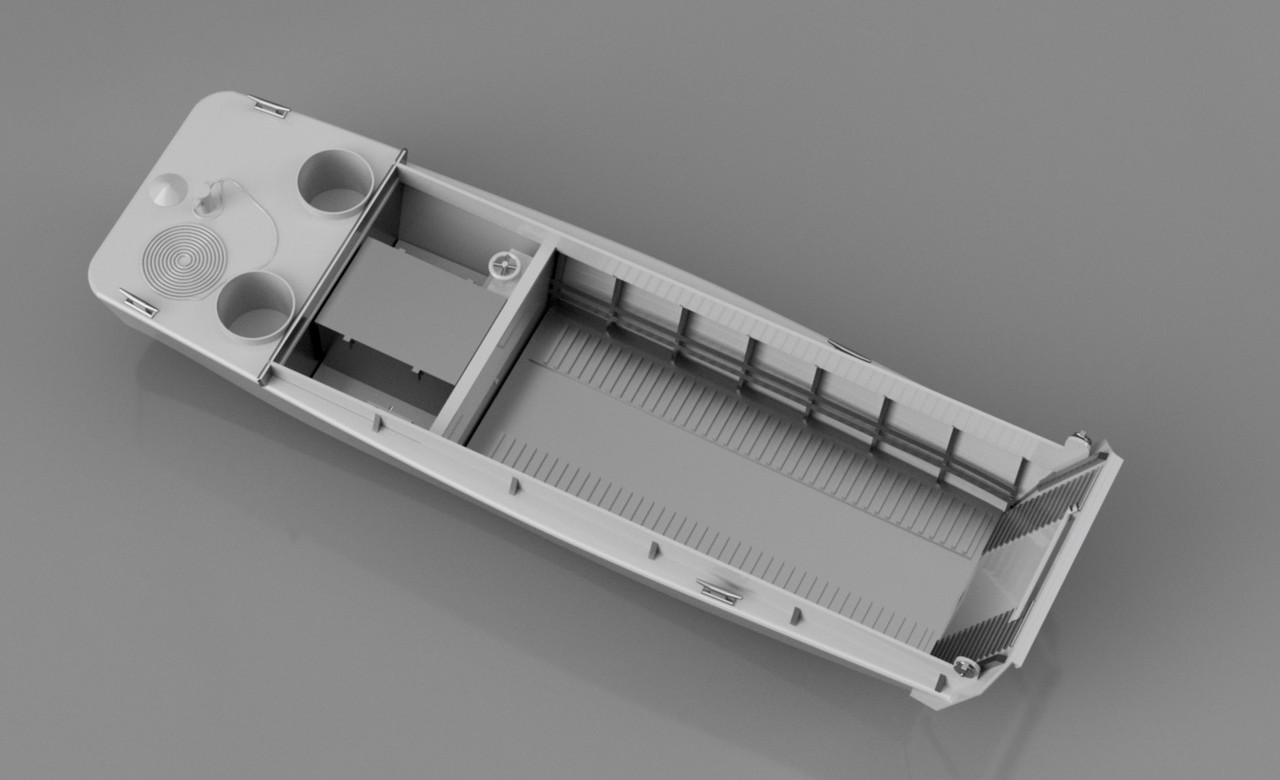
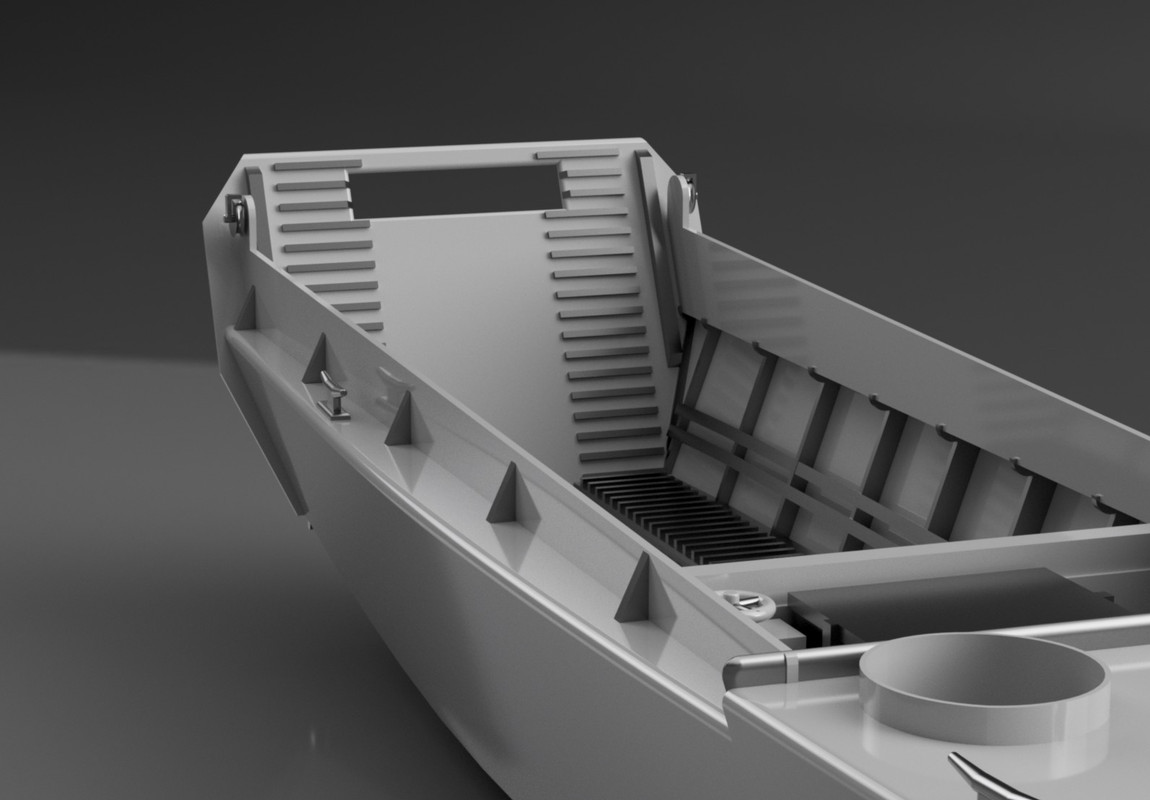
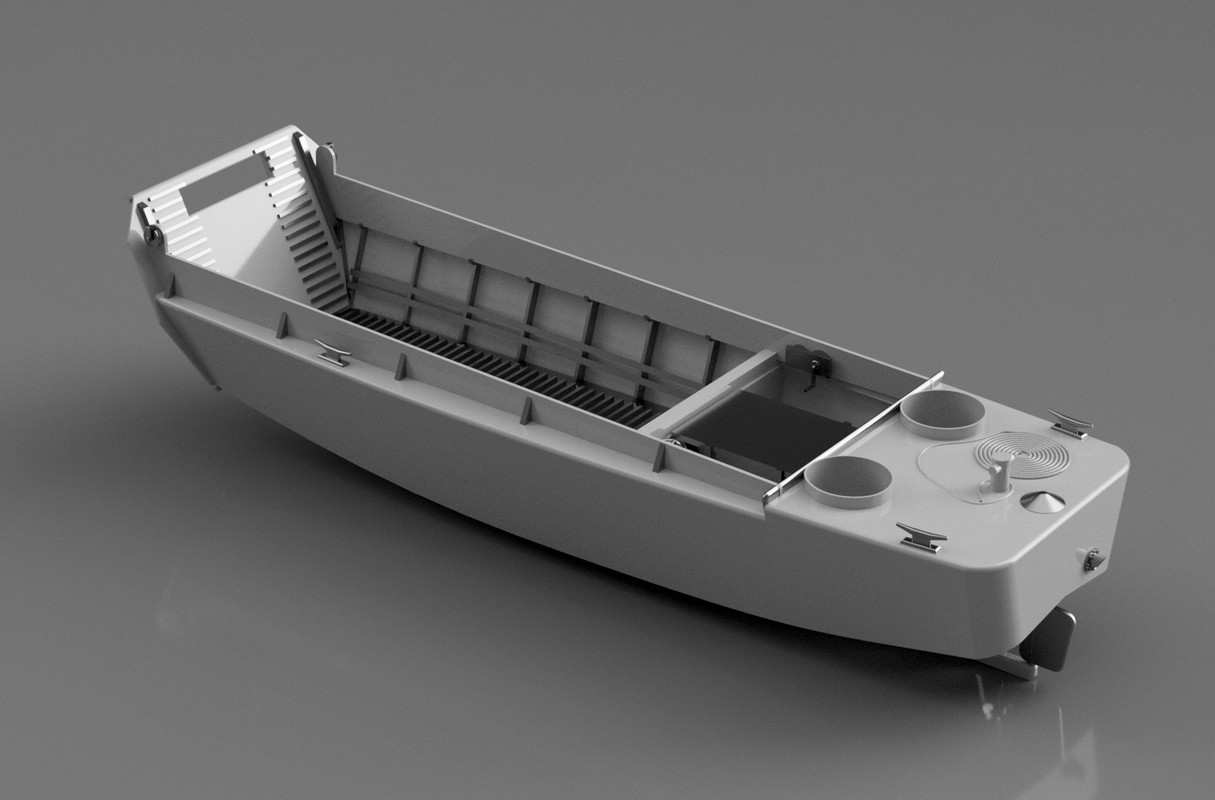
Wiki:
Design
This landing craft (also called a barge) was created by Andrew Higgins (1886-1952) in his New Orleans factory. Its hull shapes are inspired by those of boats sailing in the Louisiana swamps. More than 20,000 were built by Higgins Industries and its licensees.
3 Built of marine plywood (teak, Oregon pine) with a metallic grey paint colour that falsely suggests it was made of metal, the LCVP could carry 36 soldiers, the equivalent of a section, and sail at 9 knots (16.7 km/h) when fully loaded. Its bottom is not flat as you might think, but it has a 'V' shape at the bow and a 'V' shape at the stern so that grounding does not prevent the boat from going backwards, even in 50 cm of water.
Soldiers boarded the barge by going down along nets unfurled against the hull of the troop carrier where it was docked. They disembarked from the barge on land via a mobile ramp, the only metal and armoured part of the boat, which was lowered to the bow of the barge. This tilting bow door was added in 1942 by the U.S. Armed Forces to use the boat for landings.
Technical Specifications
Displacement: 8,100 kg
Length: 11 m
Width: 3.29 m
Draft: 0.96 m aft, 0.7 m forward
Speed: 9 knots (16.7 km/h), 15 knots at light speed (27.8 km/h)
Armament: 2 Browning 1919A4 (7.62 mm) machine guns.
Crew: 3 (1 helmsman, 1 deckhand, 1 gunner)
Capacity: 36 soldiers or one 2,700 kg vehicle
225 hp 6-cylinder 2-stroke diesel engine (Gray Marine) or
250 hp petrol engine (Hall-Scott)
Contribution:
"Andrew Higgins... is the man who won the war for us... If Higgins had not designed and built these LCVPs, we would never have landed on an open beach. The whole strategy of the war would have been different. "
General Dwight Eisenhower.
I liked this site showing the restoration of an LCVP for a museum, there are pictures, plans and video:
http://www.robertsarmory.com/Higgins-Boat.htm


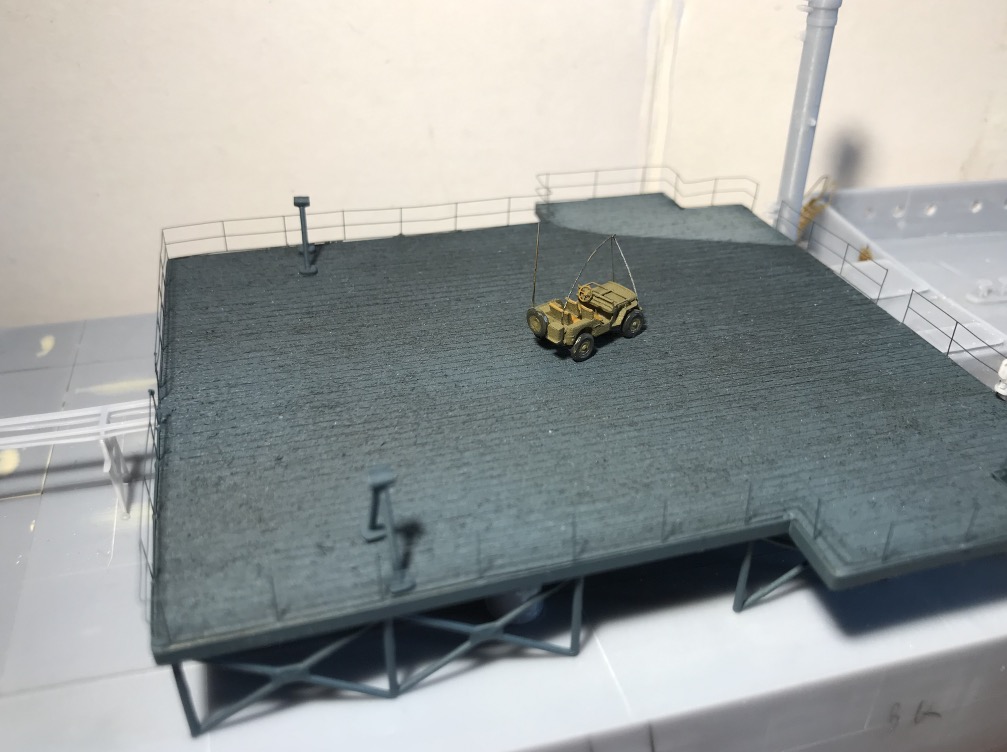
In Russian doll style, I thought I'd put a Willys Jeep in the LVCP.
Luckily this time I found a free one that was intended for printing, although it is on a scale of 1.
I found it here, thanks to the contributor, it's pretty accurate and in parts. It's more practical.
https://impression3d.laposte.fr/en/3d-m ... sembly-kit
He advises to print it at 1/35 or 1/48, certainly draw for these scales. At 1/200 it can get complicated...
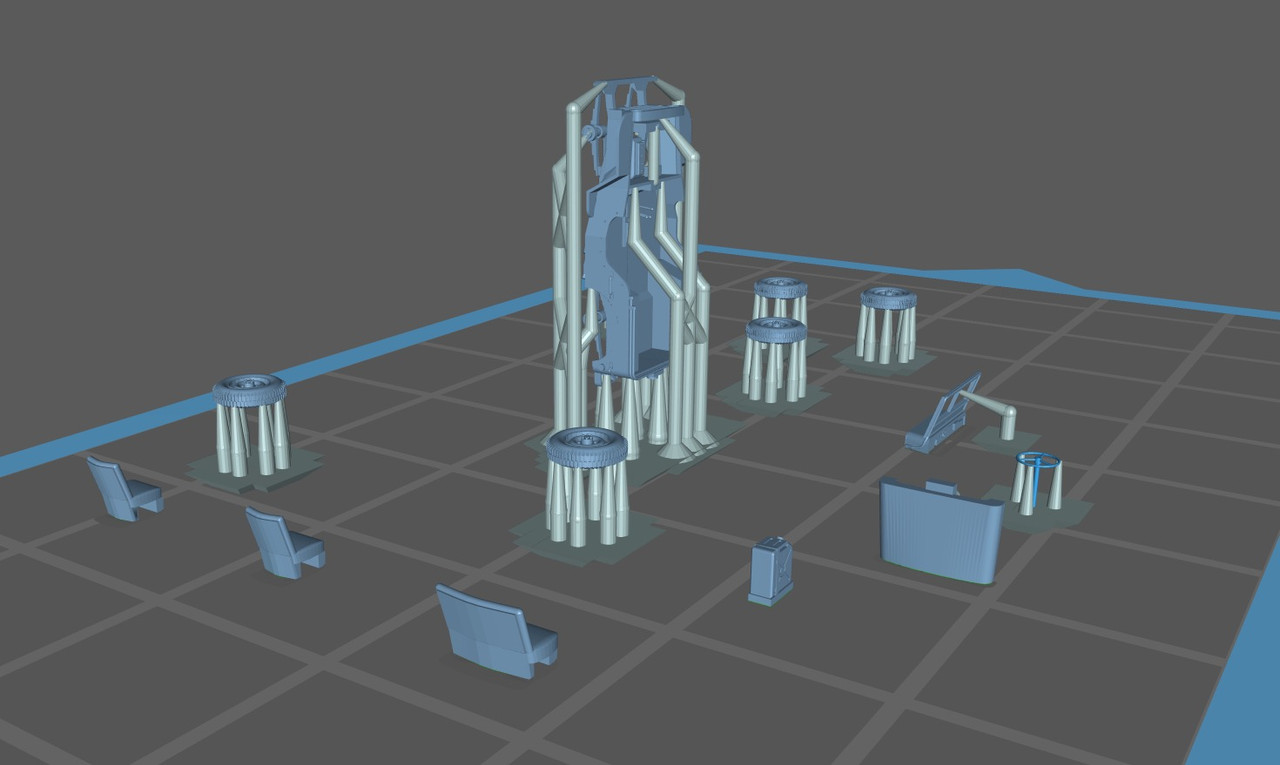
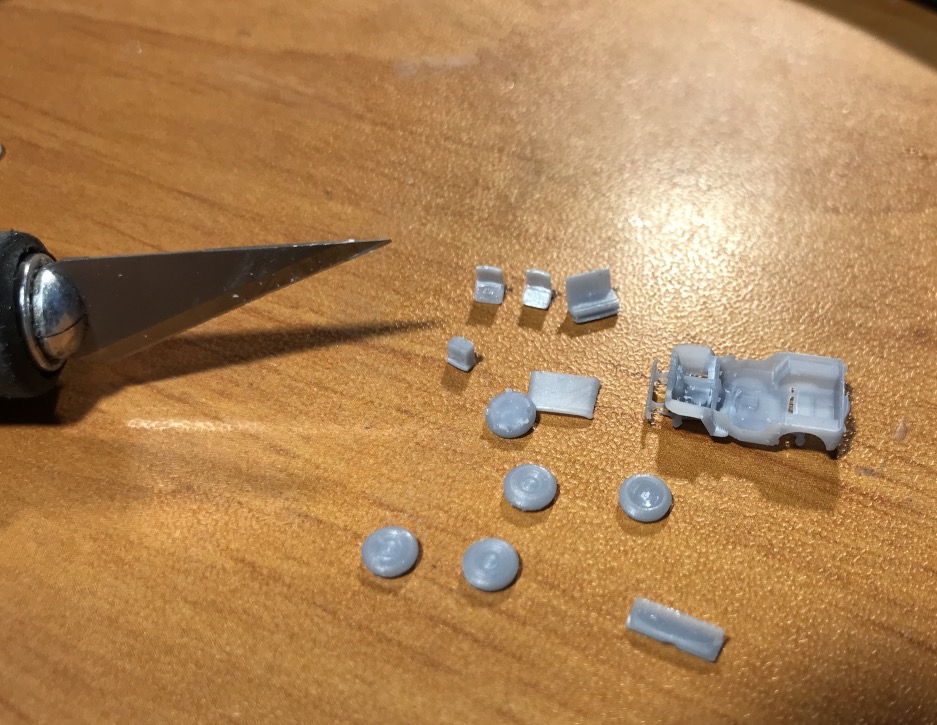
These pictures show the Jeep printed with wire with a D7 probably. Thread reaches its limits here.
So I printed at night, while I was sleeping.
The printing is rather good considering the size, the folding windshield didn't survive. The gear lever and the brake are there. The steering wheel must have fallen into the bin, no matter how well the main one came out. I replaced the parts with salvaged PE, the classic three-spoke steering wheel was made in a wheel bar by removing branches.
The curved antenna is made of copper wire, the vertical is brush hair and the antenna shrouds, scratch as I like. I am stopped here.
Then painting, Humbrol 155 olive green, Humbrol 9 tyre, seats, Humbrol matt 62.
No marking.
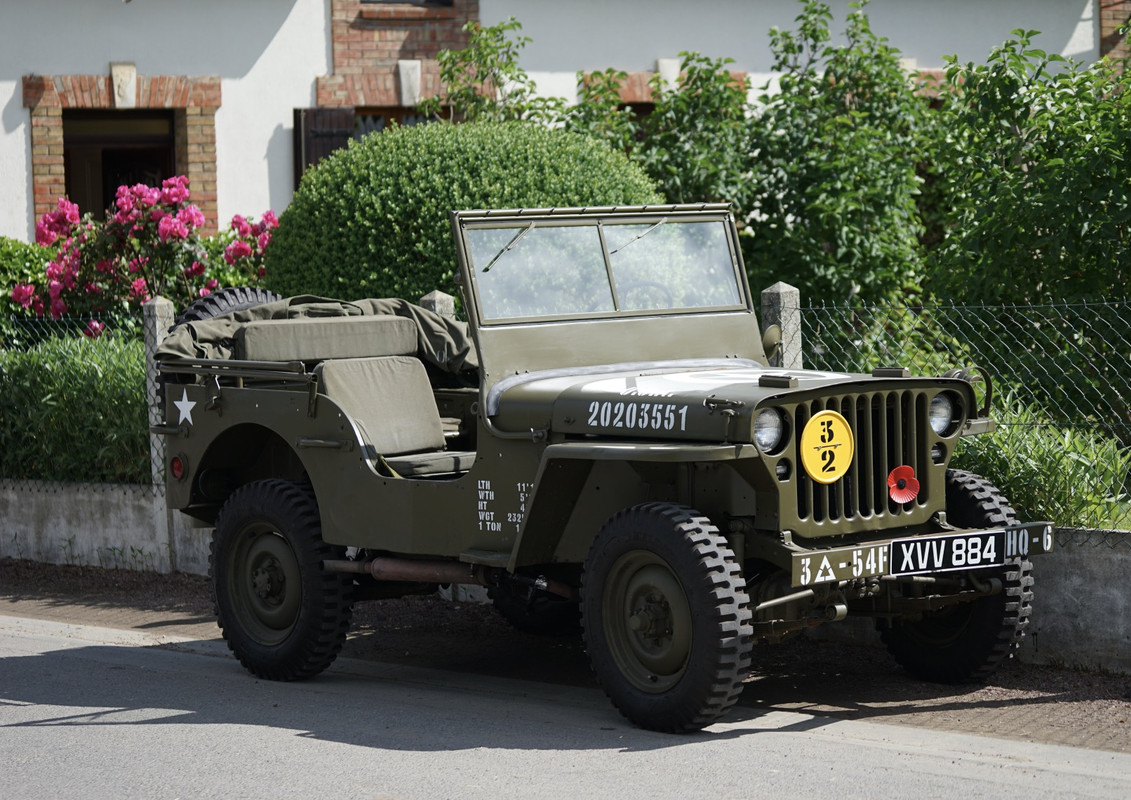
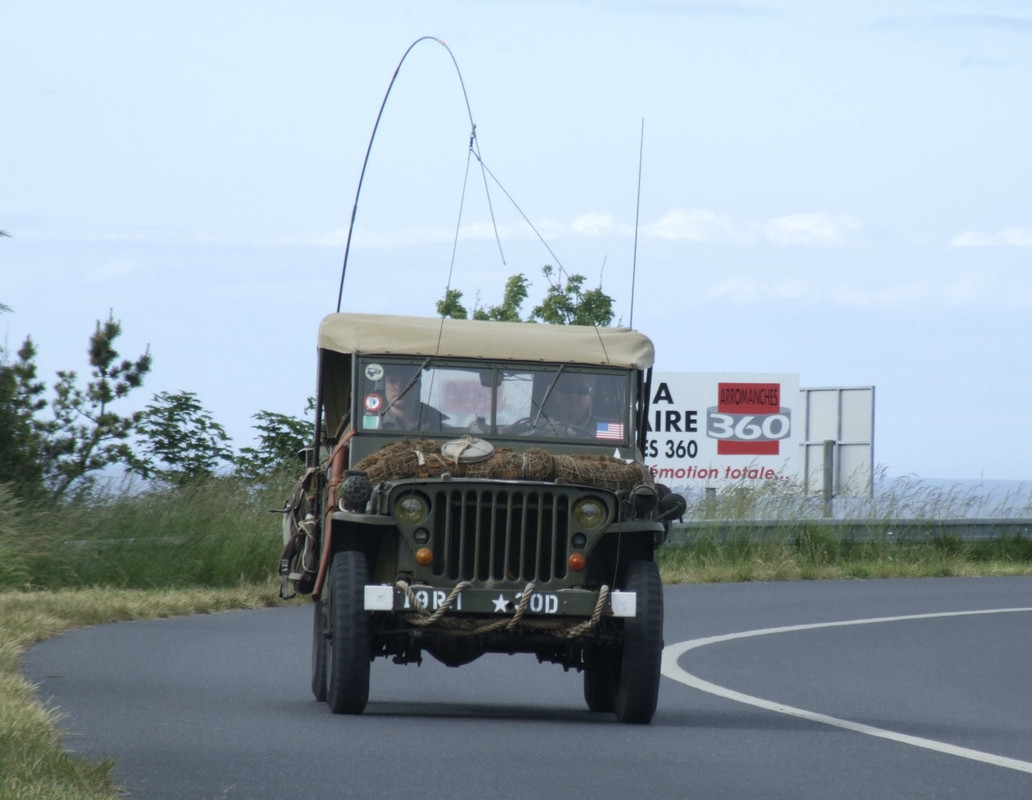
I had some personal photos of Jeep Willys taken in Normandy for reference.
Merville battery.
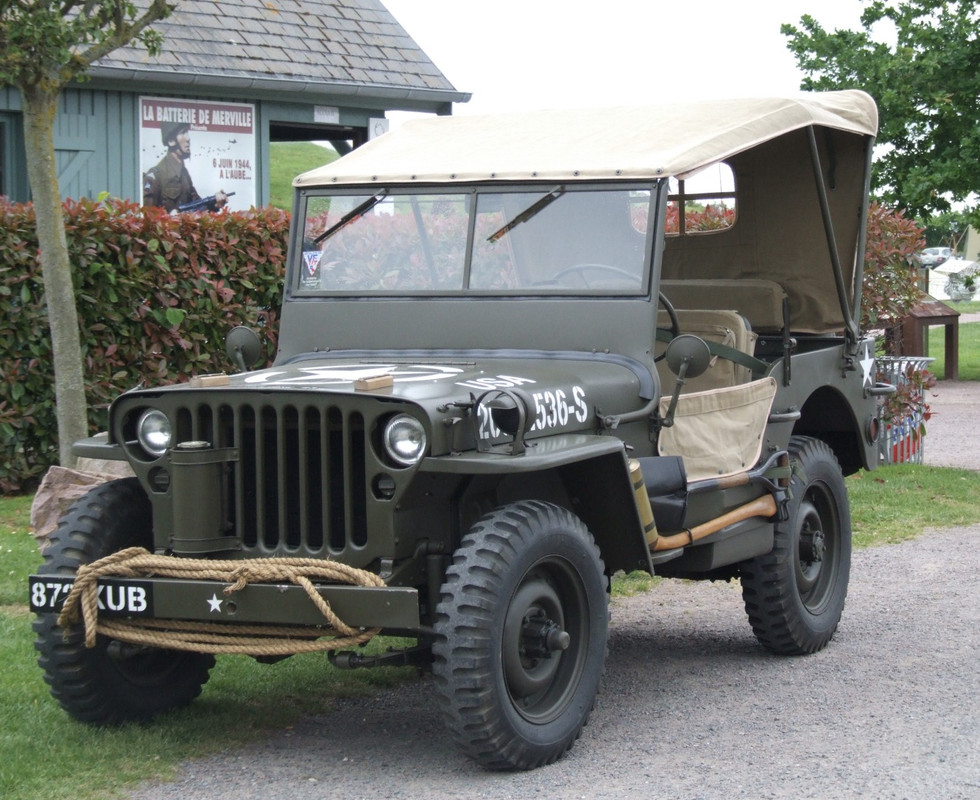
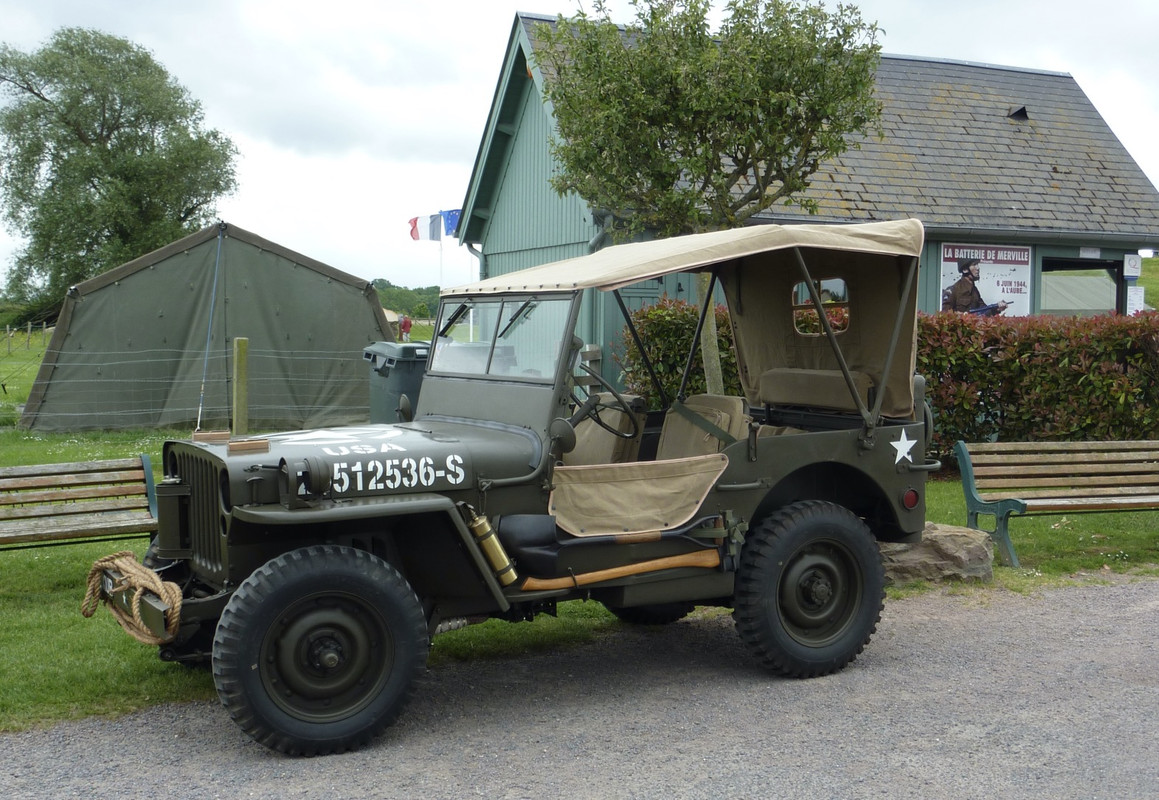
Arromanches.
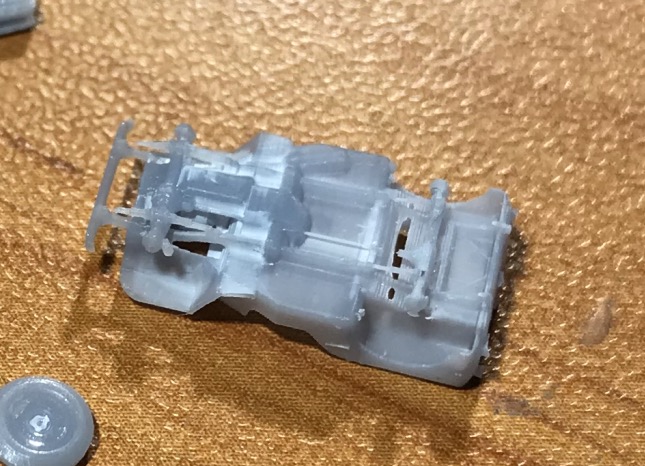
I have inverted the can and the tyre later, an error on the model..
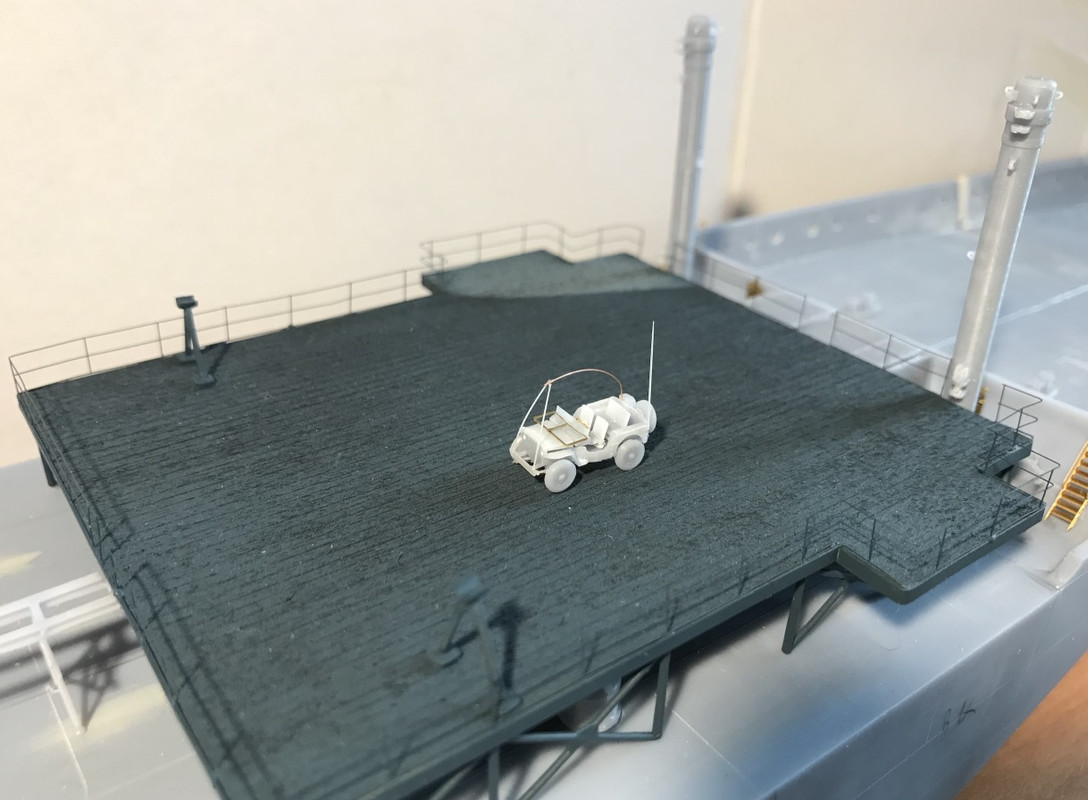
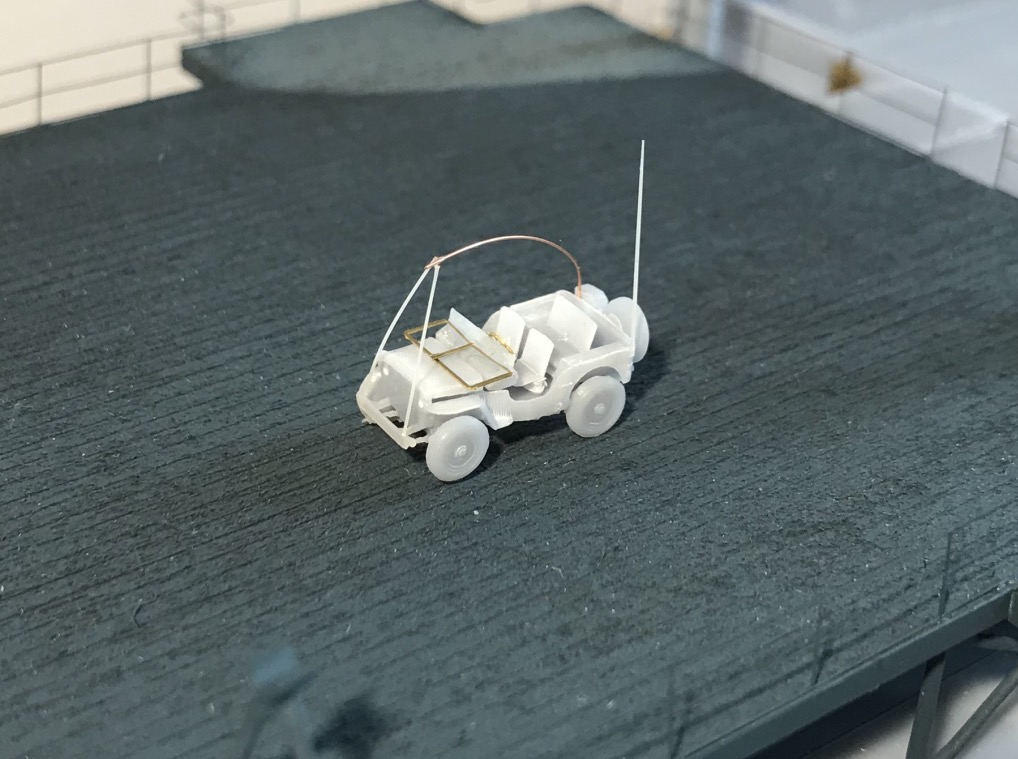
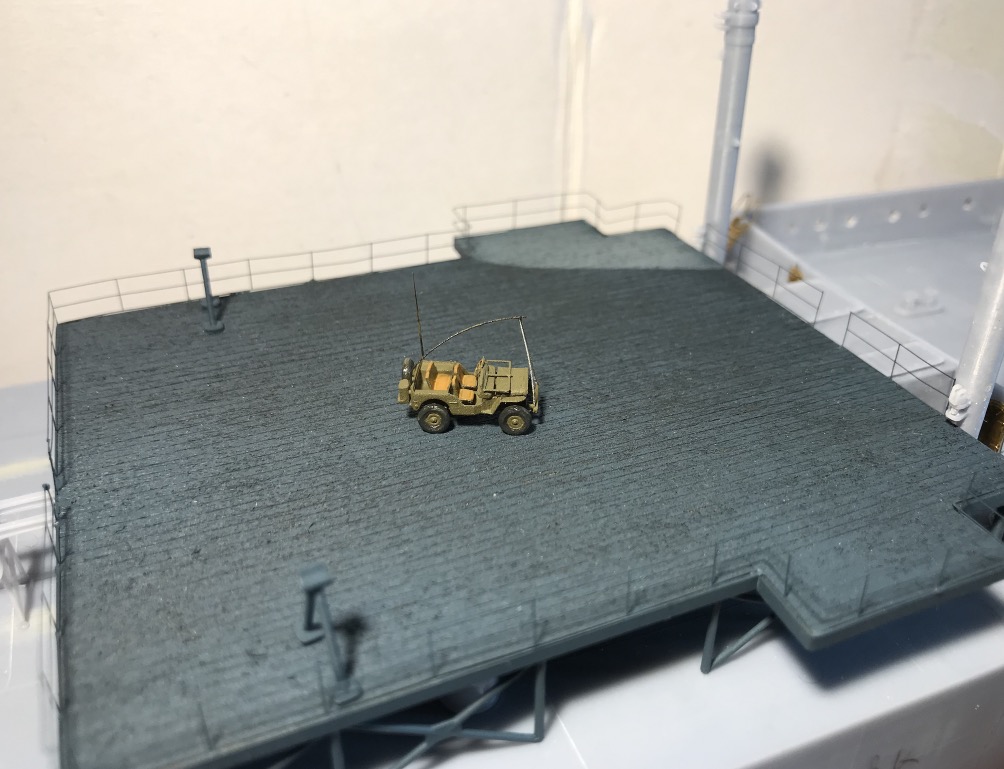
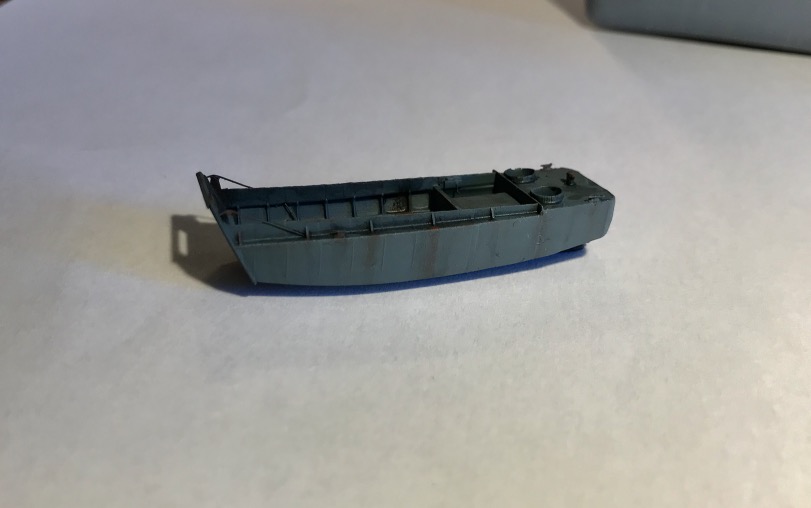
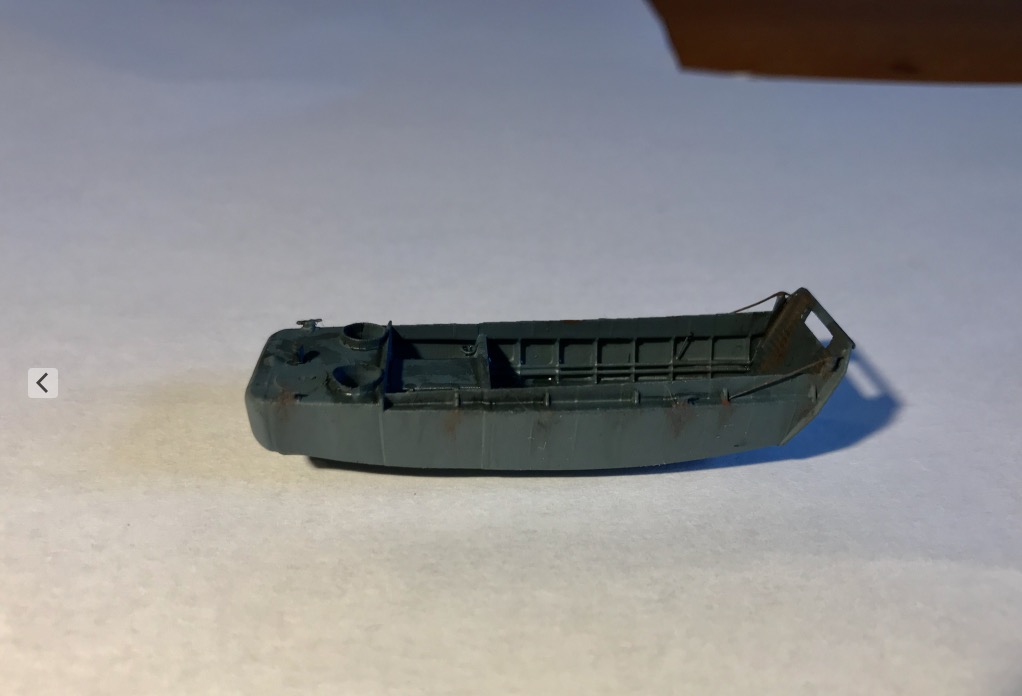
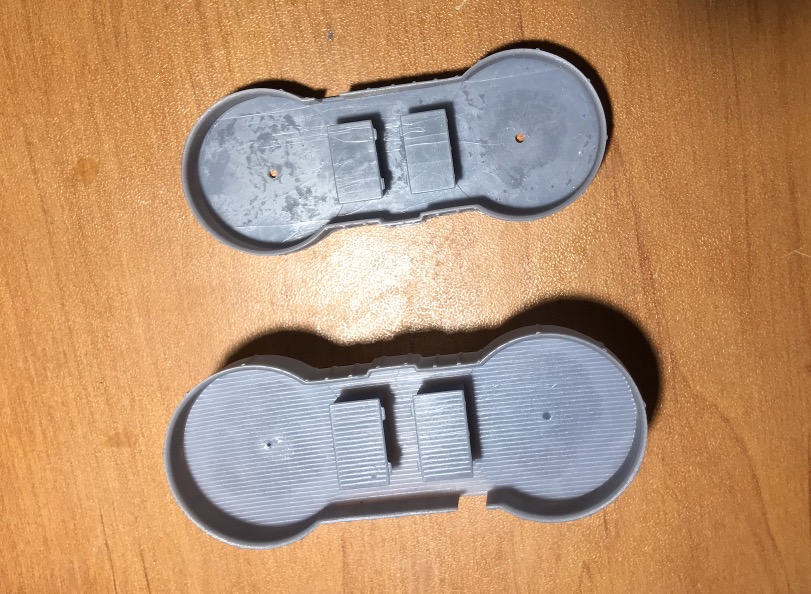
LCVP printing, I printed a second one, rectifying some thicknesses for finishing, the first one was already not bad.
I put a PE propeller.
I painted the barge in Ocean grey 5-O, then I put some ageing, but I'm not yet used to acrylic which pumps a lot, normally it should be two less patinated, the pictures increase the patina a bit too.
From what I've read, these boats were suffering a lot in the landing zones, afterwards also for supply.

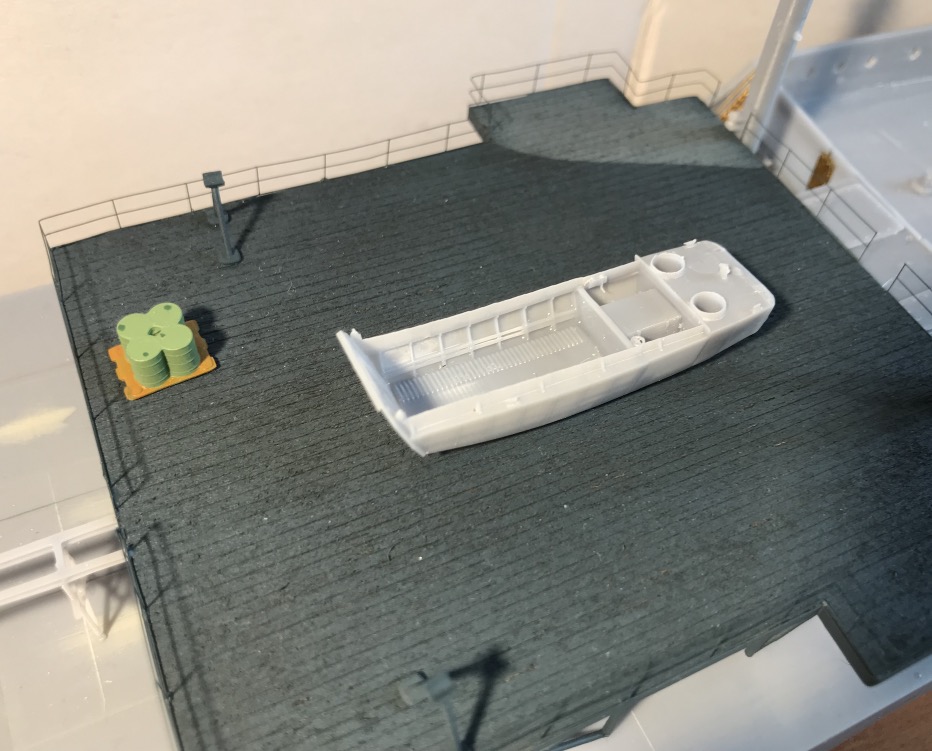
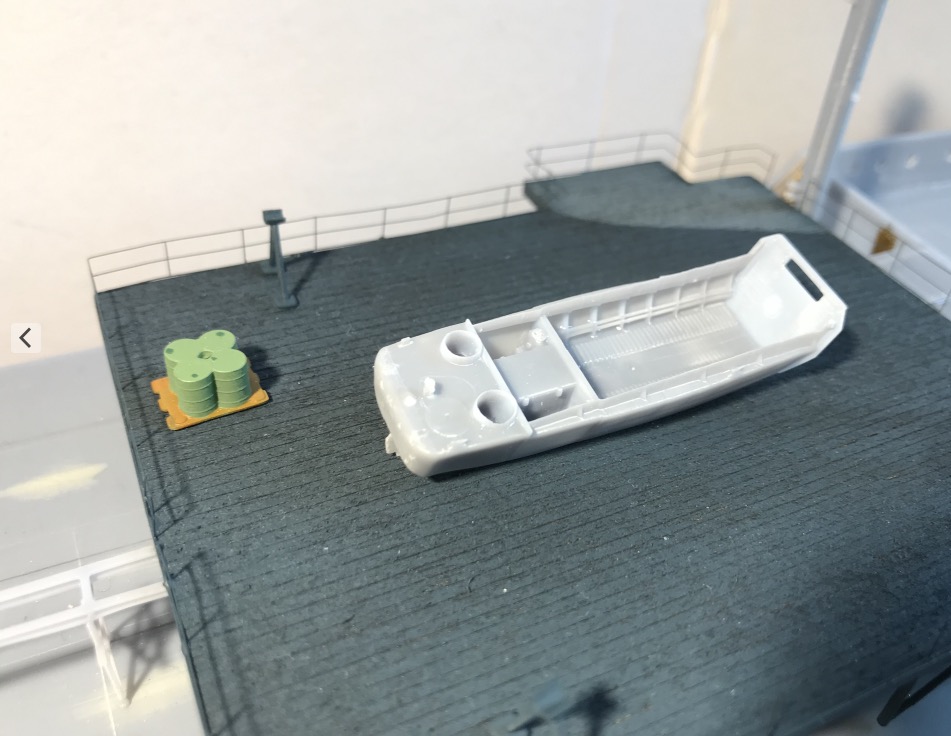
Later i have reduced the patina.
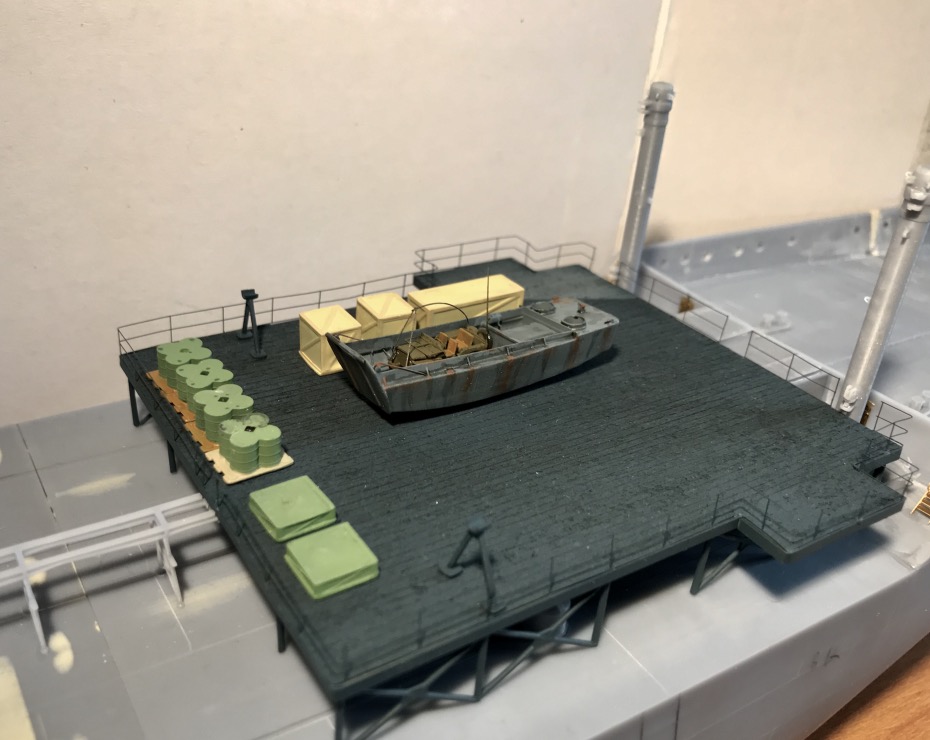
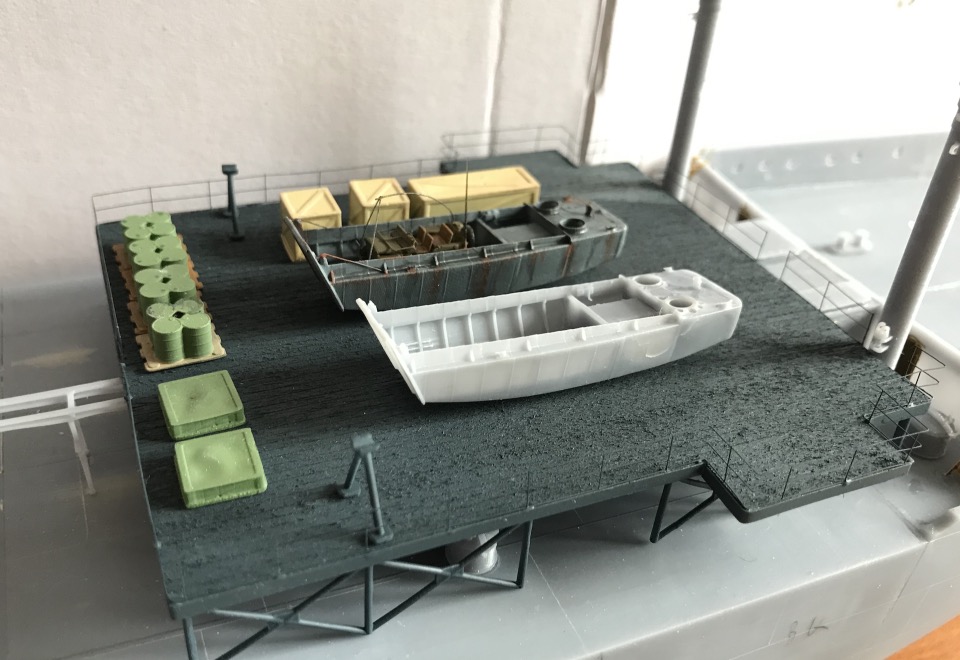
Better.